Popular Documentary Movies on Kanopy - Page 193
All Services
Free Services
 Netflix
 Amazon Prime Video
 Apple iTunes
 Apple TV Plus
 Disney Plus
 Google Play Movies
 Paramount Plus
 Hulu
Hulu
 HBO Max
 YouTube
 fuboTV
 Peacock
 Peacock Premium
 Amazon Video
 The Roku Channel
 AMC+
AMC on Demand
AMC+
AMC on Demand
 Kocowa
 Hoopla
 The CW
 Vudu
Vudu
 Starz
Starz
 Showtime
 PBS
PBS
 Pantaflix
 FXNow
FXNow
 Tubi TV
 Kanopy
 Comedy Central
 Crunchyroll
 Microsoft Store
 Redbox
 Sun Nxt
 ABC
ABC
 DIRECTV
 Crackle
 Fandor
 Plex
Plex
Netflix
Amazon Prime Video
Apple iTunes
Apple TV Plus
Disney Plus
Google Play Movies
Paramount Plus
Hulu
HBO Max
YouTube
fuboTV
Peacock
Peacock Premium
Amazon Video
The Roku Channel
AMC+
AMC on Demand
Kocowa
Hoopla
The CW
Vudu
Starz
Showtime
PBS
Pantaflix
FXNow
Tubi TV
Kanopy
Comedy Central
Crunchyroll
Microsoft Store
Redbox
Sun Nxt
ABC
DIRECTV
Crackle
Fandor
Plex

A Brave Heart: The Lizzie Velasquez Story
2015
star 7.7A documentary following the inspiring journey of 25 yr old, 58 pound Lizzie from cyber-bullying victim to anti-bullying activistEmbodied
2023
Embodied
2023
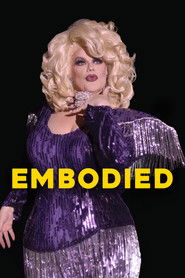
A drag queen, a mermaid, a midwife, a former linebacker and a CEO combat the stigma of being ‘plus-sized’ in a world that fears fatness.Inferno without Borders
2021
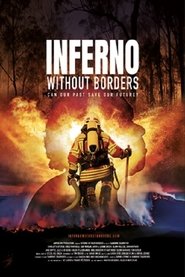
The unprecedented bushfire crisis that struck Australia during the 2019-2020 summer sparked numerous controversies and its abnormality revealed underlying major issues with bush management and Australia’s part in contributing to global warming. Experts in politics, ecology and land management stress the importance of adjusting to the new reality of extreme weather conditions and most importantly adopting methods to reduce global warming. Can our past save our future?Conduct! Every Move Counts
2016
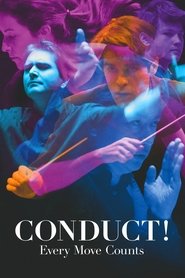
star 7'At the end of the day, it remains a secret why some can conduct and others can’t', Sir Georg Solti once said. CONDUCT! explores this secret. The struggle of five young artists for success at the International Conductors Competition in Frankfurt provides real-life drama that tests not only musical abilities but, above all, characters. CONDUCT! explores the secret of conducting with a unique intensity that culminates in a great showdown at Frankfurt’s Opera.Sailing a Sinking Sea
2015
star 6.5Sailing a Sinking Sea is a feature-length experimental documentary exploring the culture of the Moken people of Burma and Thailand. The Moken are seafaring people and one of the smallest ethnic minority groups in Asia. Wholly reliant upon the sea, their entire belief system, education, and economic and physical development revolve around water. Sailing a Sinking Sea illuminates the Moken lifestyle through recorded traditional music, folklore and conversations with the Moken people. Through intimate and dynamic cinematography and audio recordings, Sailing a Sinking Sea weaves a visual and aural tapestry of Moken mythologies and present-day practices.What Are You?
2019
What Are You?
2019
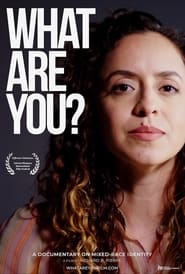
'What Are You' is a short twenty-minute personal documentary that uses interviews and poetic images to explores the lives of multiracial people as they reveal the struggles and challenges of living in a racially divided world.Jeepney
2013
Jeepney
2013
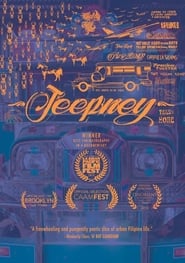
JEEPNEY visualizes the richly diverse cultural and social climate of the Philippines through its most popular form of mass transportation: vividly decorated ex-WWII military jeeps. The film follows jeepney artists, drivers, and passengers, whose stories take place amidst nationwide protest against oil price hikes that pressure drivers to work overseas to earn a living, far from their homes for years at a time. Lavishly shot and cut to the rhythm of the streets, JEEPNEY provides an enticing vehicle through which the rippling effects of globalization can be felt.Lolita: Slave to Entertainment
2003
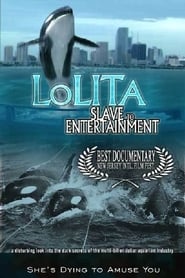
star 7.5The grassroots independent documentary about Miami's biggest performer, Lolita the killer whale on display at the Miami Seaquarium. Through rare interviews and undercover footage viewers are dragged into the dark secrets of the multi-billion-dollar marine theme park industry and the life of Lolita who's been caught in a net of lies for 3 decades.Occupied
2022
Occupied
2022
star 10Dmytro Bahnenko, a journalist in Kherson, southern Ukraine, spent three months secretly recording his city's resistance to the Russian occupation.36 Seconds: Portrait of a Hate Crime
2023
On February 10th, 2015, it took Craig Hicks 36 seconds to extinguish the lives of three young, Muslim Americans. Before they can grieve, the families are forced to become activists to set the record straight about the murders.Forgiving Dr. Mengele
2006
star 7.2Eva Mozes Kor, who survived Josef Mengele's cruel twin experiments in the Auschwitz concentration camp, shocks other Holocaust survivors when she decides to forgive the perpetrators as a way of self-healing.Ciro and Me
2018
Ciro and Me
2018
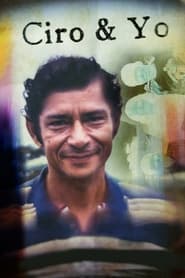
star 7.3Ciro Galindo was born on August 29th, 1952 in Colombia. Wherever he's gone, war has found him. After twenty years of friendship, I understood Ciro 's life sums up Colombia's history. As so many Colombians he is a survivor, who has run away from war for more than sixty years, and now dreams of living in peace. "Ciro and Me" is a journey to memory, seeking to give sorrow words; a journey, similar to that of Colombia in times of peace, in search to recover its dignity.Soul of a Banquet
2014
Soul of a Banquet
2014
star 3Documentary about Cecilia Chiang, "the mother of the true Chinese cuisine."The Search for General Tso
2014
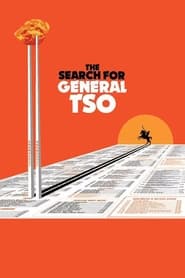
star 6.5From New York City to the farmlands of the Midwest, there are 50,000 Chinese restaurants in the U.S., yet one dish in particular has conquered the American culinary landscape with a force befitting its military moniker—“General Tso’s Chicken.” But who was General Tso and how did this dish become so ubiquitous? Ian Cheney’s delightfully insightful documentary charts the history of Chinese Americans through the surprising origins of this sticky, sweet, just-spicy-enough dish that we’ve adopted as our own.The Last of the Unjust
2013
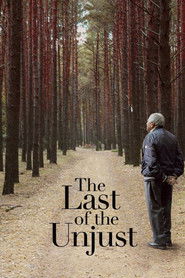
star 6.6A place: Theresienstadt. A unique place of propaganda which Adolf Eichmann called the "model ghetto", designed to mislead the world and Jewish people regarding its real nature, to be the last step before the gas chamber. A man: Benjamin Murmelstein, last president of the Theresienstadt Jewish Council, a fallen hero condemned to exile, who was forced to negotiate day after day from 1938 until the end of the war with Eichmann, to whose trial Murmelstein wasn't even called to testify. Even though he was without a doubt the one who knew the Nazi executioner best. More than twenty-five years after Shoah, Claude Lanzmann's new film reveals a little-known yet fundamental aspect of the Holocaust, and sheds light on the origins of the "Final Solution" like never before.The Dark Emu Story
2023
The Dark Emu Story
2023
A thought provoking, revelatory and inspiring documentary telling the story of Bruce Pascoe’s Dark Emu – the publishing phenomenon that challenged Australia to rethink its history and ignited a raging debate.Gregory Crewdson: Brief Encounters
2012
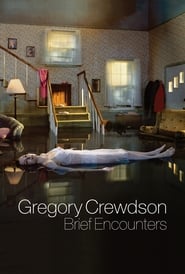
star 7Filmed over a decade, Brief Encounters follows internationally renowned photographer Gregory Crewdson's quest to create his unique, surreal, and incredibly elaborate portraits of suburban life. He sets a house on fire, builds 90 foot sets with crews of sixty, shuts down city streets...all in the service of his haunted image of American life, and his own anxieties, dreams and inner desires. Brief Encounters is an intimate portrait of one of the most heralded image-makers of our time.Lorraine Hansberry: Sighted Eyes / Feeling Heart
2017
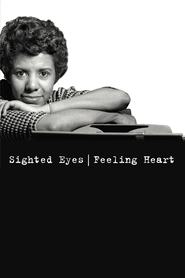
star 6.2On March 11, 1959, Lorraine Hansberry’s 'A Raisin in the Sun' opened on Broadway and changed the face of American theater forever. As the first-ever black woman to author a play performed on Broadway, she did not shy away from richly drawn characters and unprecedented subject matter. The play attracted record crowds and earned the coveted top prize from the New York Drama Critics’ Circle. While the play is seen as a groundbreaking work of art, the timely story of Hansberry’s life is far less known.Shirin Ebadi: Until We Are Free
2022
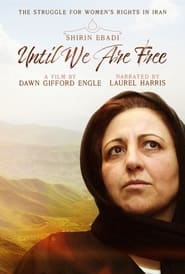
The first Muslim woman to ever receive the Nobel Peace Prize, Shirin Ebadi has inspired millions around the globe through her work as a human rights lawyer defending women and children against a brutal regime in Iran. Now the film, Until We Are Free, tells her story of courage and defiance in the face of a government out to destroy her, her family, and her mission: to bring justice to the people and the country she loves. The Iranian government would end up taking everything from Shirin Ebadi – her marriage, her home, even her Nobel Prize medallion – but the one thing it could never steal was her spirit to fight for justice and a better future for the women of Iran.The Last Happy Day
2009
The Last Happy Day
2009
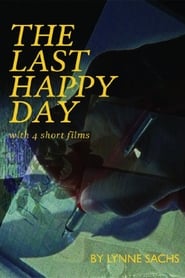
star 5THE LAST HAPPY DAY is an experimental documentary portrait of Sandor (Alexander) Lenard, a Hungarian medical doctor and a distant cousin of filmmaker Lynne Sachs. In 1938 Lenard, a writer with a Jewish background, fled the Nazis to a safe haven in Rome. Shortly thereafter, the U.S. Army Graves Registration Service hired Lenard to reconstruct the bones, small and large, of dead American soldiers. Eventually he found himself in remotest Brazil where he embarked on the translation of “Winnie the Pooh” into Latin, an eccentric task that catapulted him to brief world-wide fame. Sachs’ essay film uses personal letters, abstracted war imagery, home movies, interviews and a children’s performance to create an intimate meditation on the destructive power of war.