Popular Documentary Movies on Kanopy - Page 271
All Services
Free Services
 Netflix
 Amazon Prime Video
 Apple iTunes
 Apple TV Plus
 Disney Plus
 Google Play Movies
 Paramount Plus
 Hulu
Hulu
 HBO Max
 YouTube
 fuboTV
 Peacock
 Peacock Premium
 Amazon Video
 The Roku Channel
 AMC+
AMC on Demand
AMC+
AMC on Demand
 Kocowa
 Hoopla
 The CW
 Vudu
Vudu
 Starz
Starz
 Showtime
 PBS
PBS
 Pantaflix
 FXNow
FXNow
 Tubi TV
 Kanopy
 Comedy Central
 Crunchyroll
 Microsoft Store
 Redbox
 Sun Nxt
 ABC
ABC
 DIRECTV
 Crackle
 Fandor
 Plex
Plex
Netflix
Amazon Prime Video
Apple iTunes
Apple TV Plus
Disney Plus
Google Play Movies
Paramount Plus
Hulu
HBO Max
YouTube
fuboTV
Peacock
Peacock Premium
Amazon Video
The Roku Channel
AMC+
AMC on Demand
Kocowa
Hoopla
The CW
Vudu
Starz
Showtime
PBS
Pantaflix
FXNow
Tubi TV
Kanopy
Comedy Central
Crunchyroll
Microsoft Store
Redbox
Sun Nxt
ABC
DIRECTV
Crackle
Fandor
Plex

Silence Broken: Korean Comfort Women
2000
star 10A powerful and emotional documentary about Korean women forced into sexual servitude by the Japanese Imperial Army during World War II, Silence Broken dramatically combines the testimony of former comfort women who demand justice for the "crimes against humanity" committed against them, along with contravening interviews of Japanese soldiers, recruiters and contemporary scholars who deny the existence of comfort women or claim that these victims "did this for money." In the film, these women demand an official apology, admission of moral as well as legal guilt, and compenstion from the Japanese government. They want human dignity and justice restored to them. The individual testimonies in Silence Broken, combined with unusual archival footage and dramatized images, shatter the half-century of silence and create a collective story filled with soulful sorrow and amazing resilience of the human spirit.Boy I Am
2006
Boy I Am
2006
star 3While female-to-male transgender visibility has recently exploded in this country, conversations about trans issues in the lesbian community often run into resistance from the many queer women who view transitioning as a "trend" or as an anti-feminist act that taps into male privilege. Boy I Am is a feature-length documentary that begins to break down that barrier and promote dialogue about trans issues through a look at the experiences of three young transitioning FTMs in New York City--Nicco, Norie and Keegan--as they go through major junctures in their transitions, as well as through the voices of lesbians, activists and theorists who raise and address the questions that many people have but few openly discuss.Circle the Wagen
2013
Circle the Wagen
2013
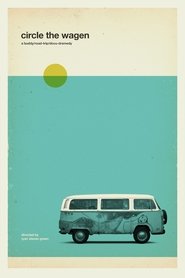
Circle The Wagen is a feature-length buddy/road-trip/docu-dramedy that follows Dave, an idealistic adventurer and automotive ne'er-do-well, and his convivial co-pilot Charlie on their journey down Route 66 in a baby blue 1972 VW bus. Through mishaps and murals, gasoline baths and breakdowns the two discover a teeming underground of vintage VW diehards willing to help save "The Croc" from the scrap heap and rally her beleaguered owner on to California.Chelsea Bridge Boys
1965
Chelsea Bridge Boys
1965
About a group of "Rockers" who belong to a British motorcycle club. Included are interviews with both male and female bikers. The film is largely based on candid interviews where the bikers respond to questions about politics, society, freedom and independence.Bury Me at Taylor Hollow
2020
After spending 15 years working in the conventional funeral industry, John Christian Phifer is paving uncharted territory to help create Larkspur Conservation-the first natural burial ground of its kind in Tennessee.Magical Reef: The Islands of the Four Kings
2020
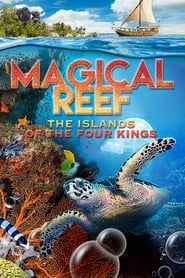
Deep beneath the sun-kissed waves of Indonesia’s islands lies a secret underwater paradise of coral reefs. Full of strange shapes, vibrant colors, and elegant beauty, these reefs contain some of the most exotic and incredible species of fish and sea life in the world. Travel to this watery wonderland and witness spectacles of elegance and unique beauty which make Raja Ampat so incomparable.As Seen Through These Eyes
2008
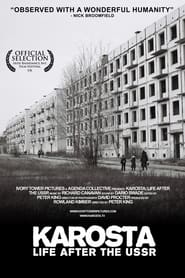
As Maya Angelou narrates this powerful documentary, she reveals the story of a brave group of people who fought Hitler with the only weapons they had: charcoal, pencil stubs, shreds of paper and memories etched in their minds. These artists took their fate into their own hands to make a compelling statement about the human spirit, enduring against unimaginable odds.Karosta: Life After the USSR
2008
star 6.5A portrait of an abandoned Soviet military settlement that was neglected when the army personnel and their families left.The Cannons
2021
The Cannons
2021
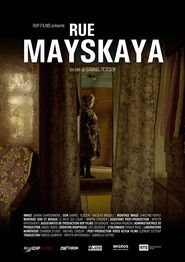
For over 40 years, legendary coach Neal Henderson has touched the lives of young people in the Washington, DC area through his youth team, the Fort Dupont Hockey Cannons. Founded to provide inner-city kids the opportunity to play organized hockey, the Cannons are the longest running minority-led hockey program in the country. As Henderson looks to solidify the future of the club, a new crop of teenage players struggles to understand if this game is really meant for boys like them.Mayskaya Street
2017
Mayskaya Street
2017
Belarus, Winter 2015. The omnipotent president Loukachenko is starting his campaign looking for a 5th mandate. As Kostia celebrates his18th birthday and gets ready to vote for the first time, he takes us around in his village and among his relatives as they all try to understand and conceive their country and their future.Cuba's Wild Revolution
2019
star 7.7As the largest island in the Caribbean, Cuba is host to spectacular wildlife found nowhere else on the planet: from the jumping crocodiles of the Zapata swamp to the world's tiniest hummingbird, from thousands of migrating crabs to giant, bat-eating boas that lie in wait for easy prey. Decades of a socialist, conservation-minded government, American embargoes and minimal development have left the island virtually unchanged for 50 years. As international relations ease, what will become of this wildlife sanctuary?Decade of Fire
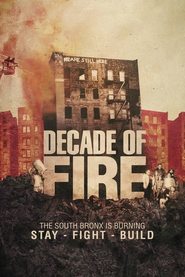
2018
Decade of Fire
2018
star 7As a kid in the South Bronx in the 1970s, Vivian Vazquez watched her tight-knit community become a burned-out ruin as an epidemic of fires raged through her Black and Puerto Rican neighborhood. As Vivian seeks to understand the lasting effects of this tragedy on her family and community, she uncovers a story of injustice, survival and hope that resonates deeply in cities today.Pipe Dream
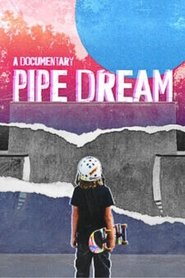
2024
Pipe Dream
2024
The hope of a grassroots funded skatepark offers an outlet for a small Pennsylvania town affected by the opioid epidemic. The first iteration of the Quakertown Skatepark was built in 2003. By 2008, many in the town wanted to see it permanently closed due to vandalism and safety concerns. A local Pastor, Dave Kratz, got involved in changing the atmosphere of the park. With the help of students, local businesses and the township, the group raised over one million dollars to fund the creation of a world-class skatepark and community center.Olympic Dreams
2023
Olympic Dreams
2023
Jacob Sanchez, a young and determined Latino figure skater in a sport that lacks diversity and has plenty of stigmas and challenges, uses his talent, perseverance, and passion to push himself to become a Junior Olympics star—and now he has set his sights on the 2026 Olympics in Milan. This documentary sparks conversations about diversity, determination, and the unbreakable bonds of family in the pursuit of one’s dreams, meanwhile showcasing the profound love and dedication of Jacob’s parents and his extraordinary coaches, former-Olympians themselves, who have become instrumental in shaping his talent.Not Your Model Minority
2022
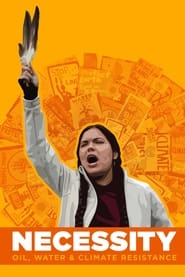
Not Your Model Minority explores the origins of the myth and the intersections with past and present anti-Asian violence. The film reveals the many ways the model minority myth has been used to create a wedge between communities of color and perpetuate divisive narratives. Not Your Model Minority also examines opportunities to build power and make progress toward addressing systemic racism in America.Necessity: Oil, Water & Climate Resistance
2019
Traces the fight in Minnesota against the expansion of pipelines carrying highly toxic tar sands oil through Native lands and essential waterways in North America.Willie Velasquez: Your Vote is Your Choice
2016
Political empowerment for Latinos in the United States has always been difficult. A Mexican-American butcher's son from Texas, Willie Velasquez questioned the lack of Latino representation in his city's government, propelling him into a lifelong battle to gain political equality for Latinos. This documentary examines obstacles Latinos had to overcome to obtain representation, and addresses issues facing Latinos today.Valley of the Queens: The New Secrets
2021
star 7Archaeologists decode ancient inscriptions hidden in the valley of the Queens, a necropolis filled with more than 90 burials, to uncover the lost stories of the most powerful women in Ancient Egypt.All You See
2022
All You See
2022
What if from one day to the next, you’re no longer seen, but instead are stared at? The leading characters in this multi-layered film have ended up in a new world where suddenly nothing seems to align. In their new lives in the Netherlands, they unintentionally provoke reactions on a daily basis. Even after many years, they still hear the same questions over and over again: where are you from, do you speak Dutch, do you tan in the sun?Rebels
2022
Rebels
2022
The rough, unkempt facades in Prenzlauer Berg – as if the skin had been peeled off the houses, says photographer Tina Bara. Having grown up in a prefabricated building, the young woman was drawn to East Berlin. She quickly got in conflict with the state, just like the artists Cornelia Schleime and Gabriele Stötzer, whom director Pamela Meyer-Arndt questions in her film about memories, traumas and creative genesis.