Popular Documentary Movies on Kanopy - Page 58
All Services
Free Services
 Netflix
 Amazon Prime Video
 Apple iTunes
 Apple TV Plus
 Disney Plus
 Google Play Movies
 Paramount Plus
 Hulu
Hulu
 HBO Max
 YouTube
 fuboTV
 Peacock
 Peacock Premium
 Amazon Video
 The Roku Channel
 AMC+
AMC on Demand
AMC+
AMC on Demand
 Kocowa
 Hoopla
 The CW
 Vudu
Vudu
 Starz
Starz
 Showtime
 PBS
PBS
 Pantaflix
 FXNow
FXNow
 Tubi TV
 Kanopy
 Comedy Central
 Crunchyroll
 Microsoft Store
 Redbox
 Sun Nxt
 ABC
ABC
 DIRECTV
 Crackle
 Fandor
 Plex
Plex
Netflix
Amazon Prime Video
Apple iTunes
Apple TV Plus
Disney Plus
Google Play Movies
Paramount Plus
Hulu
HBO Max
YouTube
fuboTV
Peacock
Peacock Premium
Amazon Video
The Roku Channel
AMC+
AMC on Demand
Kocowa
Hoopla
The CW
Vudu
Starz
Showtime
PBS
Pantaflix
FXNow
Tubi TV
Kanopy
Comedy Central
Crunchyroll
Microsoft Store
Redbox
Sun Nxt
ABC
DIRECTV
Crackle
Fandor
Plex

Borderline
2016
Borderline
2016
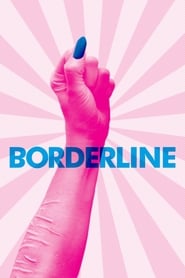
star 6The first time Regina tried to kill herself, she was 5 years old. Now she's 45 and hell-bent on trying to live.Water and Sugar – Carlo Di Palma: The Colours of Life
2017
star 5.2An account of the life and work of legendary cinematographer and director Carlo Di Palma (1925-2004) and an emotional journey through the great moments of cinema, from Italian neorealism to the masterpieces of Woody Allen.Exposing Muybridge
2021
Exposing Muybridge
2021
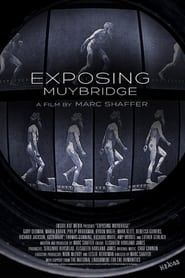
star 7The story of trailblazing 19th-century photographer Eadweard Muybridge, who changed the world with his camera. Artful, resilient, selfish, naive, eccentric, deceitful--Muybridge is a complicated, imperfect man and his story drips with ambition and success, loss and betrayal, near death experiences and even murder. "The machine cannot lie," Stanford declared of Muybridge's pioneering motion images. But what about the photographer?Harry Dean Stanton: Partly Fiction
2013
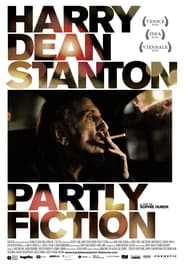
star 6.9An impressionistic portrait of the iconic actor Harry Dean Stanton comprised of intimate moments, film clips from some of his 250 films and his renditions of American folk songs.We Are X
2016
We Are X
2016
star 7.1As glam rock's most flamboyant survivors, X Japan ignited a musical revolution in Japan during the late '80s with their melodic metal. Twenty years after their tragic dissolution, X Japan’s leader, Yoshiki, battles with physical and spiritual demons alongside prejudices of the West to bring their music to the world.Daytime Revolution
2024
Daytime Revolution
2024
star 10For one extraordinary week in February 1972, the Revolution WAS televised. DAYTIME REVOLUTION takes us back in time to the week that John Lennon and Yoko Ono descended upon a Philadelphia broadcasting studio to co-host the iconic Mike Douglas Show, at that time the most popular show on daytime television, with a national audience of 40 million viewers each week. What followed was five unforgettable episodes of television, with Lennon and Ono at the helm and Douglas gamely keeping the show on track.American Reckoning
2022
American Reckoning
2022
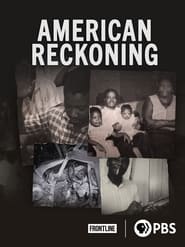
star 8In this feature-length documentary from FRONTLINE and Retro Report, an unsolved 1960s murder reveals an untold story of the civil rights movement and Black resistance. “American Reckoning” examines Black opposition to racist violence in Mississippi, spotlighting a little-known armed resistance group called the Deacons for Defense and Justice, woven alongside the Jackson family’s decades-long search for justice amid a federal effort to investigate civil rights era cold cases.Fight For Space
2016
Fight For Space
2016
star 7.6In 1962, spurred by the Cold War, President John F. Kennedy famously made the bold proclamation that NASA would send astronauts to the moon by the end of the decade, not because it was easy, but because it was a challenge. The Space Race inspired a generation to pursue careers in science and technology, but as the balance of world power shifted, interest in space exploration declined. "Fight for Space" serves as an urgent call to re-awaken our sense of wonder and discovery.Max Gimblett: Original Mind
2017
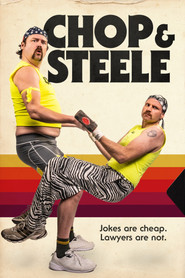
Max Gimblett: Original Mind documents the life and process of eccentric, creative genius Max Gimblett. One of New Zealand’s most successful and internationally prominent living painters, Gimblett has been working in America since 1962. The filmmakers spent a week in Gimblett’s Soho loft where he and his devoted studio assistants generously revealed the techniques and philosophy behind his beautiful art.Chop & Steele
2022
Chop & Steele
2022
star 7.9Follows childhood friends turned professional comedians, Nick Prueher and Joe Pickett, the founders of the Found Footage Festival. When Nick and Joe book their gag strongman routine on unsuspecting morning news shows, their pranks go viral and land them in federal court with a vengeful media conglomerate. The stress of the lawsuit and pressure to continue their pranks threatens their livelihood and tests their lifelong friendship.Crazy About Tiffany's
2016
star 6.9A provocative and rare glimpse at the most iconic luxury jeweler in the world. From past to present, discovering the behind the scenes creation to those beholden to its charm, Tiffany & Co. is unveiled like never before.The Young Vote
2022
The Young Vote
2022
star 1Follow a diverse group of students and activists during the 2020 election to understand young people's perceptions of voting and civic engagement.The Farthest
2018
The Farthest
2018
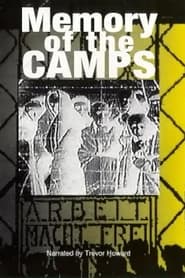
star 7.8The captivating tales of the people and events behind one of humanity's greatest achievements in exploration: NASA's Voyager mission.Memory of the Camps
1985
Memory of the Camps
1985
star 2In 1945, Allied troops invaded Germany and liberated Nazi death camps. They found unspeakable horrors which still haunt the world’s conscience. A film was made by British and American film crews who were with the troops liberating the camps. It was directed in part by Alfred Hitchcock and was broadcast for the first time in its entirety on PBS FRONTLINE in 1985.Happy People: A Year in the Taiga
2010
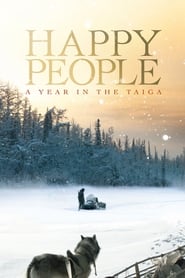
star 7.3In the center of the story is the life of the indigenous people of the village Bakhtia at the river Yenisei in the Siberian Taiga. The camera follows the protagonists in the village over a period of a year. The natives, whose daily routines have barely changed over the last centuries, keep living their lives according to their own cultural traditions.Broadway Express
1961
Broadway Express
1961
Shot in 1959, Michael Blackwood’s first film Broadway Express is a portrait of New York City’s diverse population, as captured in the city’s subways during the evening rush hour and late at night. The film is a portrait of the city through the faces of the passengers held captive for the ride.Sea Sorrow
2017
Sea Sorrow
2017
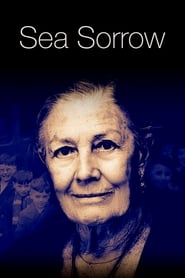
star 5.3A very personal and dynamic meditation on the current global refugee crisis through the eyes and voices of campaigners, specially children, where past and present establish a dialogue. A reflection on the importance of human rights.South Seas Adventure
1958
South Seas Adventure
1958
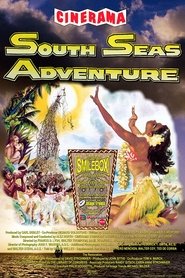
star 5.7Cinerama takes you on a South Seas Adventure to tropical islands set like sparkling jewels in dreamy cerulean waters. Thrill to the lure of sunbrowned, luscious maidens and a paradise of coconut palms, coral strand and blue lagoons. Enchanted South Pacific archipelagos beckon with all the beauty and color of a painter’s palette. Stepping stones in the vast expanse of far-away seas, they promise romance, adventure, excitement—an irresistible blend of fascinating people and exotic places.Ramen Heads
2017
Ramen Heads
2017
star 6.6In Ramen Heads, Osamu Tomita, Japan's reigning king of ramen, takes us deep into his world, revealing every single step of his obsessive approach to creating the perfect soup and noodles, and his relentless search for the highest-quality ingredients.Overgames
2016
Overgames
2016
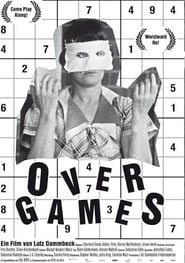
star 6.9On a talkshow, actor and German TV ikon Joachim Fuchsberger recalls how the games for his show "Nur nicht nervös werden" (Don't Get Nervous), first broadcast on West German TV in 1960, were developed along the lines of American psychiatry. Asked "So how many crazy people watched you?", he responded: "A whole crazy, psychologically disturbed nation". Why were the Germans or to be more precise, the West Germans, a psychologically disturbed nation at that time? This is a film about cheerful and serious games, therapies for re-education and self-imposed re-education, as well as the history of the idea of permanent revolution. Those appearing include directors and producers of gameshows, psychiatrists, anthropologists, and the diversely paranoid.