Popular Documentary Movies on Kanopy - Page 73
All Services
Free Services
 Netflix
 Amazon Prime Video
 Apple iTunes
 Apple TV Plus
 Disney Plus
 Google Play Movies
 Paramount Plus
 Hulu
Hulu
 HBO Max
 YouTube
 fuboTV
 Peacock
 Peacock Premium
 Amazon Video
 The Roku Channel
 AMC+
AMC on Demand
AMC+
AMC on Demand
 Kocowa
 Hoopla
 The CW
 Vudu
Vudu
 Starz
Starz
 Showtime
 PBS
PBS
 Pantaflix
 FXNow
FXNow
 Tubi TV
 Kanopy
 Comedy Central
 Crunchyroll
 Microsoft Store
 Redbox
 Sun Nxt
 ABC
ABC
 DIRECTV
 Crackle
 Fandor
 Plex
Plex
Netflix
Amazon Prime Video
Apple iTunes
Apple TV Plus
Disney Plus
Google Play Movies
Paramount Plus
Hulu
HBO Max
YouTube
fuboTV
Peacock
Peacock Premium
Amazon Video
The Roku Channel
AMC+
AMC on Demand
Kocowa
Hoopla
The CW
Vudu
Starz
Showtime
PBS
Pantaflix
FXNow
Tubi TV
Kanopy
Comedy Central
Crunchyroll
Microsoft Store
Redbox
Sun Nxt
ABC
DIRECTV
Crackle
Fandor
Plex

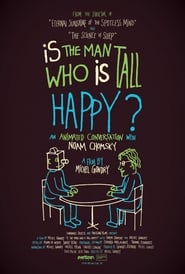
Is the Man Who Is Tall Happy?
2013
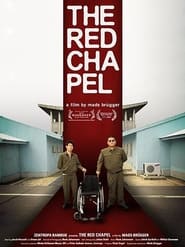
star 6.9A series of interviews featuring linguist, philosopher and activist Noam Chomsky done in hand-drawn animation.The Red Chapel
2010
The Red Chapel
2010
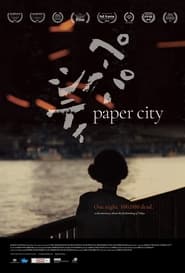
star 7.2Two Danish comedians join the director on a trip to North Korea, where they have been allowed access under the pretext of wanting to perform a vaudeville act.Paper City
2021
Paper City
2021
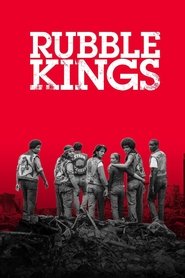
star 8Just after midnight on 10 March 1945, the US launched an air-based attack on eastern Tokyo; continuing until morning, the raid left more than 100,000 people dead and a quarter of the city eradicated. Unlike their loved ones, Hiroshi Hoshino, Michiko Kiyooka and Minoru Tsukiyama managed to emerge from the bombings. Now in their twilight years, they wish for nothing more than recognition and reparations for those who, like them, had been indelibly harmed by the war – but the Japanese government and even their fellow citizens seem disinclined to acknowledge the past.Rubble Kings
2015
Rubble Kings
2015
star 6.9Through archival footage Nicholson tells the story of the real Warriors that walked the streets of New York City in the 1970s and the harsh reality of gang life in a city that seemed to be falling apart.Dark Circle
1982
The Emperor's New Clothes
2015
star 6.4An uproarious critique of the world financial crisis. Building on actor, comedian, and provocateur Russell Brand’s emergence as an activist following his 2014 book Revolution, where he railed against “corporate tyranny, ecological irresponsibility, and economic inequality".Dying to Do Letterman
2011
star 6When 35 year old stand-up comedian Steve Mazan learned he was dying of cancer, he dedicated the rest of his life to making his dream come true: performing comedy on The Late Show with David Letterman. This documentary chronicles his five-year journey, as he races his own ticking clock to achieve a nearly impossible goal. Hilarious and heart-breaking, Steve brings a brand-new perspective to living with cancer. This is a story that proves it's not how much time you have, it's what you do with it. As Steve says, 'If you stop chasing your dreams, you're already dead.'Joseph Pulitzer: Voice of the People
2019
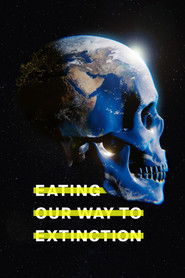
star 5.3A biographical history of Hungarian immigrant Joseph Pulitzer, who revolutionized how news is presented, to whom it is catered to and the power of giving power to the masses.Eating Our Way to Extinction
2021
star 6.9With searing insight that shines light in dark corners, EATING OUR WAY TO EXTINCTION is a compelling feature documentary that opens the lid on the elephant in the room no one wants to talk about. Confronting and entertaining, this documentary allows audiences to question their everyday choices, industry leaders and governments. Featuring a wealth of world-renowned contributors including Sir Richard Branson and Tony Robbins, it has a message of hope that will empower audiences.The Punk Singer
2013
The Punk Singer
2013
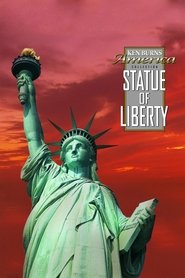
star 7.1A look at the life of activist, musician, and cultural icon Kathleen Hanna, who formed the punk band Bikini Kill and pioneered the "riot grrrl" movement of the 1990s.The Statue of Liberty
1985
star 6.7For more than 100 years, the Statue of Liberty has been a symbol of hope and refuge for generations of immigrants. In this lyrical, compelling and provocative portrait of the statue, Ken Burns explores both the history of America’s premier symbol and the meaning of liberty itself. Featuring rare archival photographs, paintings and drawings, readings from actual diaries, letters and newspapers of the day, the fascinating story of this universally admired monument is told. In interviews with Americans from all walks of life, including former New York governor Mario Cuomo, the late congresswoman Barbara Jordan and the late writers James Baldwin and Jerzy Kosinski, The Statue of Liberty examines the nature of liberty and the significance of the statue to American life. Nominated for both the Academy Award ® and the Emmy Award ®, The Statue of Liberty received the prestigious CINE Golden Eagle, the Christopher Award and the Blue Ribbon at the American Film Festival.Dries
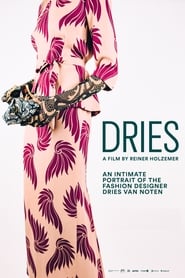
2017
Dries
2017
star 7For the first time fashion designer Dries Van Noten allows a filmmaker to accompany him in his creative process and rich home life. For an entire year Reiner Holzemer documents the precise steps that Dries takes to conceive of four collections, the rich fabrics, embroidery and prints exclusive to his designs. As well as the emblematic fashion shows that bring his collections to the world and have become cult “must sees” at Paris Fashion Week. This film offers an insight into the life, mind and creative heart of a master fashion designer who, for more than 25 years, has remained independent in a landscape of fashion consolidation and globalization.Missing Mom
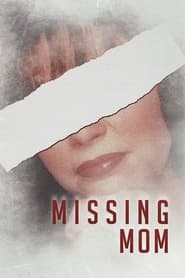
2016
Missing Mom
2016
star 6Filmmaker Rob McCallum hits the road with his brother Chris Byford in search of their Mom who's been missing for almost 25 years.Going Medieval
2012
Going Medieval
2012
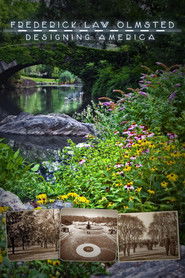
star 10In this two-hour H2 special, historian and weapons expert Mike Loades goes medieval diving deep into the world of the Middle Ages. From the 5th to the 15th centuries, Mike battles the realities vs. the myths of this extraordinary time crusading for the core of real life while delivering fun-filled facts. From living, working and fighting to how to keep a knight's armor shiny using a vigorous rub of sand, vinegar and urine, Going Medieval is an expert account of life during medieval times.Frederick Law Olmsted: Designing America
2014
To Olmsted, a park was both a work of art and a necessity for urban life. Olmsted’s efforts to preserve nature created an “environmental ethic” decades before the environmental movement became a force in American politics. With gorgeous cinematography, and compelling commentary this film presents the biography of a man whose parks and preservation are an essential part of American life.Without Lying Down: Frances Marion and the Power of Women in Hollywood
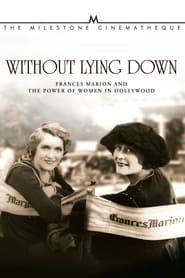
2000
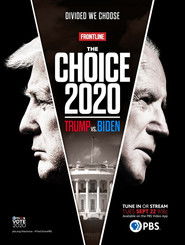
star 7From 1915-1939, Frances Marion was one of the most powerful talents in the movie industry. In one of the most liberating eras for women in film, she wrote more than 200 movies and was the world's highest paid screenwriter - man or woman. Kathy Bates gives voice to Marion's words from her letters, diaries, and memoirs. Includes commentary by silent film historian Kevin Brownlow, critic Leonard Maltin, and Marion's celebrated biographer Cari Beauchamp. Current women filmmakers reflect on the legacy left to them by Marion and the pioneering women of early Hollywood.The Choice 2020: Trump vs. Biden
2020
star 7.2A look into what has shaped President Donald Trump and presidential candidate Joe Biden, where they came from and how they lead.Zapatista
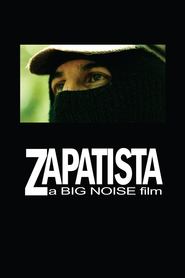
1999
Zapatista
1999
star 5.2"Zapatista" is the definitive look at the uprising in Chiapas. It is the story of a Mayan peasant rebellion armed with sticks and their word against a first world military. It is the story of a global movement that has fought 175,000 federal troops to a stand still and transformed Mexican and international political culture forever.Sell/Buy/Date
2022
Sell/Buy/Date
2022
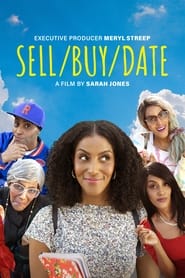
star 8A hybrid doc/narrative following Tony winning performer and comedian Sarah Jones. As a mixed-race Black woman in America, Sarah, alongside the multicultural characters she's known for, explores her own personal relationship to one of the most relevant issues in our current cultural climate: the sex industry, and the surprisingly diverse range of people whose lives it touches. Through interviews and monologues, this film poses the question: how can we as a society have a healthy relationship to sex, power, race and our economy, without exploitation or stigma? The goal is not to prescribe solutions, but to highlight the human faces and voices at the center of this subject.Vermeer: The Greatest Exhibition
2023
star 7.8With loans from across the world, this major retrospective will bring together Vermeer’s most famous masterpieces including Girl with a Pearl Earring, The Geographer, The Milkmaid, The Little Street, Lady Writing a Letter with her Maid, and Woman Holding a Balance. This film invites audiences to a private view of the exhibition, accompanied by the director of the Rijksmuseum and the curator of the show.