Popular Documentary Movies on Kanopy - Page 80
All Services
Free Services
 Netflix
 Amazon Prime Video
 Apple iTunes
 Apple TV Plus
 Disney Plus
 Google Play Movies
 Paramount Plus
 Hulu
Hulu
 HBO Max
 YouTube
 fuboTV
 Peacock
 Peacock Premium
 Amazon Video
 The Roku Channel
 AMC+
AMC on Demand
AMC+
AMC on Demand
 Kocowa
 Hoopla
 The CW
 Vudu
Vudu
 Starz
Starz
 Showtime
 PBS
PBS
 Pantaflix
 FXNow
FXNow
 Tubi TV
 Kanopy
 Comedy Central
 Crunchyroll
 Microsoft Store
 Redbox
 Sun Nxt
 ABC
ABC
 DIRECTV
 Crackle
 Fandor
 Plex
Plex
Netflix
Amazon Prime Video
Apple iTunes
Apple TV Plus
Disney Plus
Google Play Movies
Paramount Plus
Hulu
HBO Max
YouTube
fuboTV
Peacock
Peacock Premium
Amazon Video
The Roku Channel
AMC+
AMC on Demand
Kocowa
Hoopla
The CW
Vudu
Starz
Showtime
PBS
Pantaflix
FXNow
Tubi TV
Kanopy
Comedy Central
Crunchyroll
Microsoft Store
Redbox
Sun Nxt
ABC
DIRECTV
Crackle
Fandor
Plex

The End of Poverty?
2008
The End of Poverty?
2008
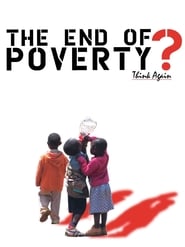
star 7.9The End of Poverty? asks if the true causes of poverty today stem from a deliberate orchestration since colonial times which has evolved into our modern system whereby wealthy nations exploit the poor. People living and fighting against poverty answer condemning colonialism and its consequences; land grab, exploitation of natural resources, debt, free markets, demand for corporate profits and the evolution of an economic system in in which 25% of the world's population consumes 85% of its wealth. Featuring Nobel Prize winner Amartya Sen and Joseph Stiglitz, authors/activist Susan George, Eric Toussaint, Bolivian Vice President Alvaro Garcia Linera and more.James Brown - The Man, The Music & The Message
2014
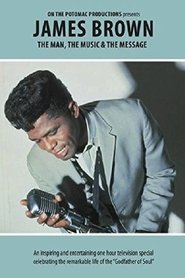
star 8The Godfather of Soul tells his life story and features his greatest live performances.Le Cirque: A Table in Heaven
2007
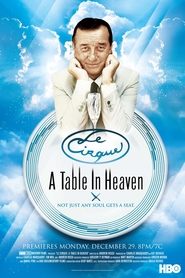
star 5.5At the end of 2005, New York's famed restaurateur, Sirio Maccioni, closed Le Cirque, destination of the rich and famous. During 2006, he and his three sons, open a new Le Cirque, taking four months longer and $4 million more than planned. The film follows this process, the new restaurant's opening, and the emotional impact of two New York Times reviews over the next few months. Maccioni, in his 70s, seems tired, chained to his work for his sons's sake; then, the restaurant opens and his indefatigable charm returns. It's a roller coaster ride. At the film's end, Maccioni, with a small Gucci bag on his hip, receives communion in a church in his home town of Montecatini Italy.Becoming Santa
2011
Becoming Santa
2011
star 6.5The story of one man entering the culture and character of Santa Claus for a single season.Roy's World: Barry Gifford's Chicago
2020
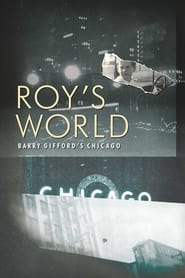
star 6Author Barry Gifford's gritty autobiographical stories of growing up in 1950s Chicago provide the backdrop for an impressionistic documentary portrait of a vanished time and place.The Click Trap
2024
The Click Trap
2024
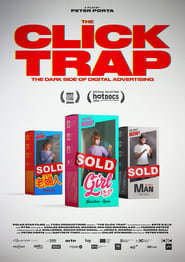
star 8Digital advertising algorithms curate content precisely for users. Major tech firms claim to restrict disinformation yet still profit from harmful content, raising ethical concerns about democracy and online capitalism.The Mindfulness Movement
2020
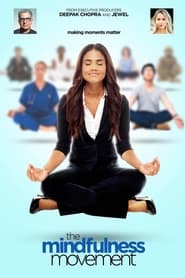
From Executive Producers Jewel and Deepak Chopra, comes "The Mindfulness Movement," a feature documentary that examines the growing number of people throughout society who are working to create a healthier, happier world by spreading mindfulness - a peaceful quality of attention anyone can develop by simply focusing on the present moment in a non-judgmental way.The Meaning of Vanlife
2019
star 5.5The Meaning of Vanlife is an adventurous, revealing look into the Vanlife community through the eyes of nomads who have chosen to live a life of freedom on the road. A movement that exemplifies a deeper societal trend towards minimalism and authentic community building.The Decline of Western Civilization Part III
1998
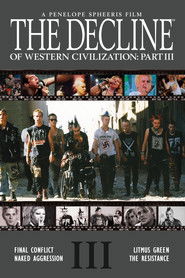
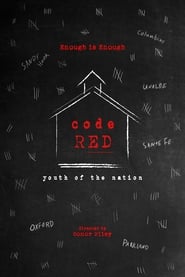
star 6.8A musical study of Los Angeles in the late 90s, where homeless teens roam the streets and profess to live a punk lifestyle of music, drugs, and flouting authority.Code Red: Youth of the Nation
2022
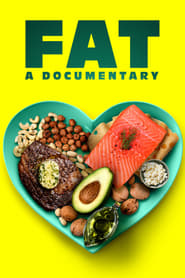
With more school shootings in 2021 than any year on record, Code Red: Youth of the Nation exposes the fatal cost of our children's education. The documentary seeks to restore the safety of our schools by providing the tools and solutions to put an end to these tragedies.FAT: A Documentary
2019
FAT: A Documentary
2019
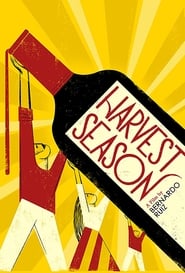
star 6.3Weight loss expert Vinnie Tortorich and award-winning filmmaker Peter Pardini want you to join their team to make a hard-hitting documentary film that exposes the widespread myths and lies around healthy eating, fat and weight loss and shows how, in spite of all our good intentions, we go on getting fatter and fatter.Harvest Season
2018
Harvest Season
2018
star 8Harvest Season delves into the lives of people who work behind the scenes of the premium California wine industry, during one of the most dramatic grape harvests in recent memory. The film follows the stories of Mexican-American winemakers and migrant workers who are essential to the wine business, yet are rarely recognized for their contributions. Their stories unfold as wildfires ignite in Napa and Sonoma counties, threatening the livelihoods of small farmers and winemakers who are already grappling with a growing labor shortage, shifting immigration policies, and the impacts of a rapidly changing climate.Two American Families: 1991-2024
2024
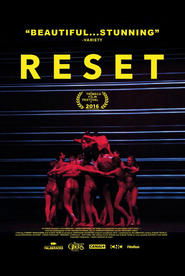
star 8It’s a central premise of the American dream: If you’re willing to work hard, you’ll be able to make a living and build a better life for your children. But what if working hard isn’t enough to get ahead — or even to ensure your family’s basic financial stability? Two American Families: 1991-2024, a special, two-hour documentary filmed over more than 30 years, is a portrait of perseverance from FRONTLINE, Bill Moyers, and filmmakers Tom Casciato and Kathleen Hughes that raises unsettling questions about the changing nature of the American economy and the impact on people struggling to make a living. This is the saga of two families in Milwaukee, Wisconsin — one Black, the Stanleys, and one white, the Neumanns — who have spent the past 34 years battling to keep from sliding into poverty, and who refuse to give up despite the economic challenges that their stories reveal.Reset
2016
Reset
2016
star 7.8In early 2013, it was announced that choreographer and dancer Benjamin Millepied, known as the man behind the ballet of Black Swan, would take over as director of the Paris Opera Ballet. Reset finds Millepied on the eve of his first gala with the Opera, designing and refining his inaugural choreography for the esteemed institution. As a film, Reset possesses of the same artistic assuredness as its subject as he blocks out the preliminary steps for his choreography. It explores various concepts of space simultaneously: the digital space, the space of the opera house (each scene opens with a declaration of which studio it’s in) and the space of the stage, the distance from stage right to stage left. It’s a portrait of a watershed moment for one of the ballet's oldest institutions and one of its brightest new stars, both on the cusp of great transition.The Day After Trinity
1981
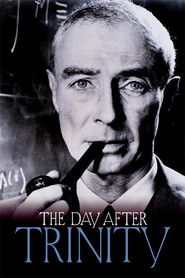
star 7.5This essential, Academy Award–nominated documentary offers an urgent warning from history about the dangers of nuclear warfare via the story of J. Robert Oppenheimer, the enigmatic physicist and all-around Renaissance man who led the Manhattan Project to develop the atomic bomb that America unleashed on Japan in the final days of World War II. Through extensive interviews and archival footage, THE DAY AFTER TRINITY traces Oppenheimer’s evolution, from architect of one of the most consequential endeavors of the twentieth century to an outspoken opponent of nuclear proliferation who came to deeply regret his role in ushering in the perils of the atomic age.Everybody Knows... Elizabeth Murray
2016
This tribute to the dynamic artist Elizabeth Murray, an intrinsic figure in New York's contemporary art landscape from the 1970s until the early 2000s, highlights her struggle to balance personal and family ambition with artistic drive in a male-dominated art world. It also addresses her later battle with cancer, at the peak of her career.Blank City
2011
Blank City
2011
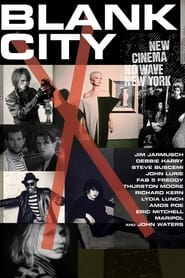
star 7.1In the years before Ronald Reagan took office, Manhattan was in ruins. But true art has never come from comfort, and it was precisely those dire circumstances that inspired artists like Jim Jarmusch, Lizzy Borden, and Amos Poe to produce some of their best works. Taking their cues from punk rock and new wave music, these young maverick filmmakers confronted viewers with a stark reality that stood in powerful contrast to the escapist product being churned out by Hollywood.The Pistol Shrimps
2016
The Pistol Shrimps
2016
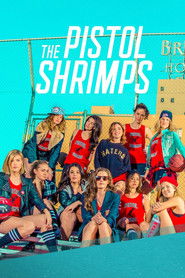
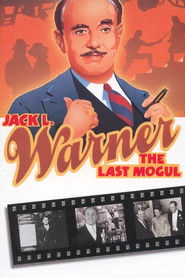
star 5.8An eclectic group of actresses, musicians, writers, comedians, and moms compete in the Los Angeles women’s recreational basketball league. With team names guaranteed to make you smile (Shecago Bulls, Traveling Pants, Space Glam, Ba Dunka Dunks, LA Nail Clippers), this documentary shows that girls not only wanna have fun, they wanna ball too.Jack L. Warner: The Last Mogul
1993
star 6.5An insider's account of Jack Warner, a founding father of the American film industry. This feature length documentary provides the rags to riches story of the man whose studio - Warner Bros - created many of Hollywood's most classic films. Includes extensive interviews with family members and friends, film clips, rare home movies and unique location footage.