Popular History Movies on Kanopy - Page 37
All Services
Free Services
 Netflix
 Amazon Prime Video
 Apple iTunes
 Apple TV Plus
 Disney Plus
 Google Play Movies
 Paramount Plus
 Hulu
Hulu
 HBO Max
 YouTube
 fuboTV
 Peacock
 Peacock Premium
 Amazon Video
 The Roku Channel
 AMC+
AMC on Demand
AMC+
AMC on Demand
 Kocowa
 Hoopla
 The CW
 Vudu
Vudu
 Starz
Starz
 Showtime
 PBS
PBS
 Pantaflix
 FXNow
FXNow
 Tubi TV
 Kanopy
 Comedy Central
 Crunchyroll
 Microsoft Store
 Redbox
 Sun Nxt
 ABC
ABC
 DIRECTV
 Crackle
 Fandor
 Plex
Plex
Netflix
Amazon Prime Video
Apple iTunes
Apple TV Plus
Disney Plus
Google Play Movies
Paramount Plus
Hulu
HBO Max
YouTube
fuboTV
Peacock
Peacock Premium
Amazon Video
The Roku Channel
AMC+
AMC on Demand
Kocowa
Hoopla
The CW
Vudu
Starz
Showtime
PBS
Pantaflix
FXNow
Tubi TV
Kanopy
Comedy Central
Crunchyroll
Microsoft Store
Redbox
Sun Nxt
ABC
DIRECTV
Crackle
Fandor
Plex

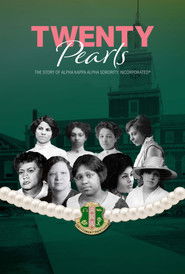
Twenty Pearls: The Story of Alpha Kappa Alpha Sorority
2021
"Twenty Pearls" tells a powerful story of sisterhood. In 1908, nine Black women enrolled at Howard University made one decision that would change the course of history. These college students created Alpha Kappa Alpha Sorority, Incorporated.Erik H. Erikson: A Life's Work
1999
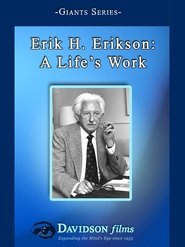
Narrated by Erikson's colleague, Margaret Brenman-Gibson, Ph.D. and Ruthie Mickles, Ph.D. Using archival materials and newly shot footage, this film introduces students to the rich wisdom of Erik H. Erikson. Best known for his identification of the eight stages of the life cycle, Erikson spent a lifetime observing and studying the way in which the interplay of genetics, cultural influences and unique experiences produces individual human lives. This film combines biographical information about Erikson with his theoretical proposals to give students an understanding of the relationship between the life experience of a theorist and the work that is produced.Negroes with Guns: Rob Williams and Black Power
2004
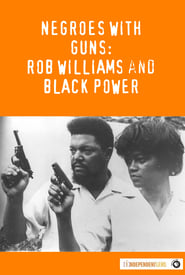
Rob Williams was an African-American living in Monroe, North Carolina in the 1950s and 1960s. Living with injustice and oppression, many African-Americans advocated a non-violent resistance. Williams took a different tack, urging the oppressed to take up arms. Williams was stripped of his rank as leader of the local NAACP chapter, but he continued to encourage local African-Americans to carry weapons as a means of self-defense. Wanted on a kidnapping charge, Williams and his wife fled to Cuba. His radio show Radio Free Dixie could be heard in some parts of the United States.The Magic of Flight
1996
The Magic of Flight
1996
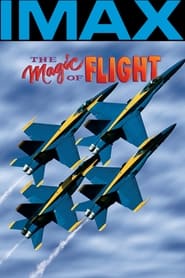
star 6.7Take a technological thrill ride The Magic of Flight takes you on a technological thrill ride faster, higher and wider than modern science or even your imagination! Relive the first flight of the Wright Brothers, then soar with the Blue Angels as they defy the laws of gravity. Narrated by Tom Selleck.NOVA: Decoding da Vinci
2019
star 7.5Leonardo da Vinci was a Renaissance genius. Not only did he paint masterpieces of art, but he was an obsessive scientist and inventor, dreaming up complex machines centuries ahead of his time, including parachutes, armored tanks, hang gliders and robots. On the 500th anniversary of Leonardo’s death, with the help of biographer Walter Isaacson, NOVA investigates the secrets of Leonardo’s success. How did his scientific curiosity, from dissections of cadavers to studies of optics, shape his genius and help him create perhaps the most famous painting of all time, the "Mona Lisa"?The Birth of Saké
2015
The Birth of Saké
2015
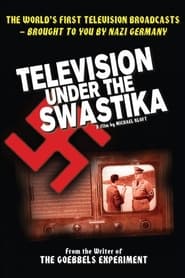
star 7.1Through the unrelenting winter in the north of Japan, a small group of workers must brave unusual working conditions to bring to life a 2,000-year-old tradition known as sake. A cinematic documentary, The Birth of Sake is a visually immersive experience of an almost-secret world in which large sacrifices must be made for the survival of a time-honored brew.Television Under the Swastika
1999
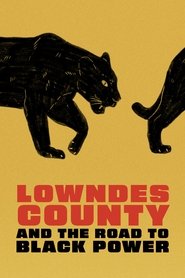
star 6.8A history of Nazi television programming and technology, from 1935 to 1944.Lowndes County and the Road to Black Power
2022
star 1.5Through first person accounts and searing archival footage, this documentary tells the story of the local movement and young Student Nonviolent Coordinating Committee (SNCC) organizers who fought not just for voting rights, but for Black Power in Lowndes County, Alabama.I, the Worst of All
1990
I, the Worst of All
1990
star 5.7A 17th-century Mexican nun defies expectations by becoming a renowned intellectual and writer during the Spanish Inquisition.Storm Over Asia
1928
Storm Over Asia
1928
star 6.5In 1918 a young and simple Mongol herdsman and trapper is cheated out of a valuable fox fur by a European capitalist fur trader. Ostracized from the trading post, he escapes to the hills after brawling with the trader who cheated him. In 1920 he becomes a Soviet partisan, and helps the partisans fight for the Soviets against the occupying British army. However he is captured by the British when they try to requisition cattle from the herdsmen at the same time as the commandant meets with a reincarnated Grand Lama. After the trapper is shot, the army discovers an amulet that suggests he is a direct descendant of Genghis Khan. They find him still alive, so the army restores his health and plans to use him as the head of a puppet regime. The trapper is thus thrust into prominence as he is placed in charge of the puppet government. By the end, however, the "puppet" turns against his masters in an outburst of fury.The Sailor's Song
1958
The Sailor's Song
1958
star 6.5A film about the historical uprising of the seamen in Kiel: During the Russian October Revolution of 1917, German and Russian soldiers start to solidarize with each other. By disarming the officers, machinist Henne Lonke and stoker Jens Kasten prevent the attack on a Russian freighter. When German admiralty gives out orders for operation "Nibelungen", which would lead the German fleet into a suicidal attack against England and quell the revolutionary spirit, seamen and soldiers from different political backgrounds unite in protest.Koch
2013
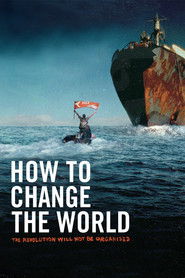
How to Change the World
2014
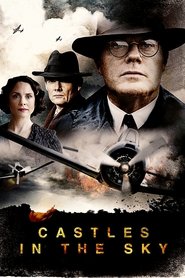
star 7.1In 1971, a group of friends sail into a nuclear test zone, and their protest captures the world's imagination. Using never before seen archive that brings their extraordinary world to life, How To Change The World is the story of the pioneers who founded Greenpeace and defined the modern green movement.Castles in the Sky
2014
Castles in the Sky
2014
star 5.8England, while the storm clouds of Nazism menace Germany. Robert Watson Watt and a team of eccentric and brilliant meteorologists struggle to turn the mere idea of radar into a functional reality.Secrets in the Sky: The Untold Story of Skunk Works
2019
star 8In 1943, in a circus tent in Burbank, CA, a bunch of revolutionary thinkers first gathered together in secrecy to build America's first jet fighter. They were rule benders, chance takers, corner cutters-people who believed that nothing was impossible. IRed Hollywood
1996
Red Hollywood
1996
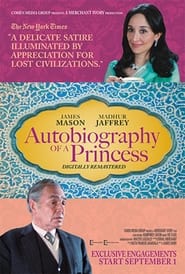
star 6.1A documentary that examines the films made by the victims of the Hollywood Blacklist and offers a radically different perspective on a key period in the history of American cinema.Autobiography of a Princess
1975
star 5.1On the birthday of her late father, a deposed Maharaja, a displaced Indian princess living in London and his former private secretary watch home movies and reminisce about royal India.Orange Witness
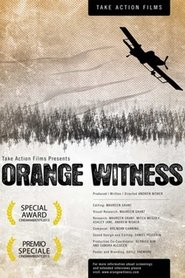
2012
Orange Witness
2012
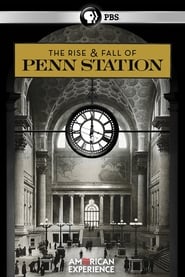
Orange Witness documents the marginalized voices of people who have been exposed to, and affected by Agent Orange. The film paints a bleak picture of the damage caused by the use of herbicides 2,4-D, 2,4,5-T and TCCD internationally. Historically, Agent Orange has been associated with war, but the industrial and domestic of use of the chemical is a story that has yet to reach the masses, until now.The Rise & Fall of Penn Station
2004
star 9.5In 1910, the Pennsylvania Railroad successfully accomplished the enormous engineering feat of building tunnels under New York City's Hudson and East Rivers, connecting the railroad to New York and New England, knitting together the entire eastern half of the United States. The tunnels terminated in what was one of the greatest architectural achievements of its time, Pennsylvania Station. Penn Station covered nearly eight acres, extended two city blocks, and housed one of the largest public spaces in the world. But just 53 years after the station’s opening, the monumental building that was supposed to last forever, to herald and represent the American Empire, was slated to be destroyed.Walter Winchell: The Power of Gossip
2020
star 10The life and times of radio commentator and syndicated newspaper gossip columnist Walter Winchell, who reached an audience of 50 million at his peak.