Popular Documentary Movies on Pantaflix - Page 265
All Services
Free Services
 Netflix
 Amazon Prime Video
 Apple iTunes
 Apple TV Plus
 Disney Plus
 Google Play Movies
 Paramount Plus
 Hulu
Hulu
 HBO Max
 YouTube
 fuboTV
 Peacock
 Peacock Premium
 Amazon Video
 The Roku Channel
 AMC+
AMC on Demand
AMC+
AMC on Demand
 Kocowa
 Hoopla
 The CW
 Vudu
Vudu
 Starz
Starz
 Showtime
 PBS
PBS
 Pantaflix
 FXNow
FXNow
 Tubi TV
 Kanopy
 Comedy Central
 Crunchyroll
 Microsoft Store
 Redbox
 Sun Nxt
 ABC
ABC
 DIRECTV
 Crackle
 Fandor
 Plex
Plex
Netflix
Amazon Prime Video
Apple iTunes
Apple TV Plus
Disney Plus
Google Play Movies
Paramount Plus
Hulu
HBO Max
YouTube
fuboTV
Peacock
Peacock Premium
Amazon Video
The Roku Channel
AMC+
AMC on Demand
Kocowa
Hoopla
The CW
Vudu
Starz
Showtime
PBS
Pantaflix
FXNow
Tubi TV
Kanopy
Comedy Central
Crunchyroll
Microsoft Store
Redbox
Sun Nxt
ABC
DIRECTV
Crackle
Fandor
Plex

Shift Change
1986
Shift Change
1986
This documentary looks at the microchip, an American invention exploited by the Japanese that caused a second industrial revolution. The devastating effect on millions of human lives is related through interviews with some of the newly jobless in Hamilton, Ontario. Using the example of Japan for contrast, host James Laxer demonstrates that the cost of technological advances need not be so high if their effects are foreseen and planned for. Part 2 of the series Reckoning: The Political Economy of Canada.The Revolutionary Animator Kanada Yoshinori
2010
MAG・ネット is a television program aired on NHK which delves into the realm of otaku culture on a weekly basis. They cover a wide range of things, from seiyuu, games, animators, manga artists, etc and do a very good job creating a professional and illuminating weekly documentary. This is a special on the work and life of japanese master animator Yoshinori "Iko" Kanada.Papież z Polski
1979
Papież z Polski
1979
Ceremonies marking the inauguration of Pope John Paul II's pontificate in Rome in October 1978.S.O.D. Live at Budokan
1992
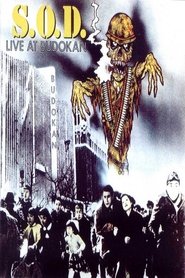
star 5Live at Budokan is a live release by American crossover thrash band Stormtroopers of Death. The album is a recording of a one-off re-union gig put on by the band, and includes the majority of the longer tracks from their first album and some previously unheard tracks, as well as covers of the bands Ministry, Nirvana, and Fear.Stephen Hendry: Doing the Business
1988
A documentary following future seven time world snooker champion Stephen Hendry as a teenager in the run up to and aftermath of his first ever ranking event win at the Rothmans Grand Prix.The Man Who Was Too Free
2017
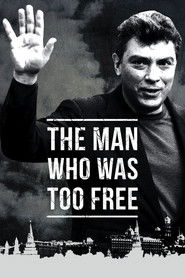
star 6.5A documentary about Boris Nemtsov, a prominent figure of Russian political opposition and an outspoken critic of Vladimir Putin. Nemtsov was murdered in Moscow in February of 2015.As the Lights Go Down
1985
star 10Duran Duran's Oakland, California concerts that were filmed for the Arena (An Absurd Notion) movie were also edited to form the one-hour As The Lights Go Down concert video. As The Lights Go Down is essentially the Arena video without the theatrical sequences, although the live footage for many songs was edited differently. This version was first aired on the Cinemax cable television channel, and later on MTV and other music channels.Queen of the Capital
2020
Queen of the Capital
2020
DC Bureaucrat by day, drag queen by night, Muffy Blake Stephyns follows her dream of leading a group of vibrant performers on a crusade for the community.Vilas y sus dobles
2022
Vilas y sus dobles
2022
Still on the Road
2010
Still on the Road
2010
Twelve actors spend six months on a cramped bus, lose their lead actor, play 71 roles, and learn to work in spaces that wont hold their set, all while reconnecting with their passion for performing, receiving a great review in the New York Times, and bringing classical theater to America in The Acting Company's 37th Season.Lillian Gish: The Actor's Life for Me
1988
Called "the first lady of the silent screen," Lillian Gish was the archetypal silent film heroine — the delicate damsel in distress, stranded on a swift-moving ice floe, cowering before a sadistic brute. The film showcases generous footage of her most memorable performances. In this Emmy-award winning documentary, the celebrated actress reflects on her life and work spanning the 20th century, particularly her years as D.W. Griffith's favorite leading lady and collaborator.The Assault of the Present on the Rest of Time
1985
star 5.8A poignant film essay about 'superfluous people' facing up to a moment of crisis in their lives.The American War
2018
The American War
2018
Using obscure archival footage, animated illustrations and interviews, this film tells the story of the Vietnam War from the perspective of five Vietcong veterans: a soldier, an officer, an informant, a guerilla, a My Lai survivor, and the leader of the Long Hair army.Clarkson: Heaven and Hell
2005
star 6.5I trawl the whole of cardom to bring you seven great cars and truffle the undergrowth looking for seven automotive disasters. The good ones - the Ferraris, the Porches and the Aston Martins are driven to within an inch of their lives on the track. Some are even handed over to the Stig who makes a guest appearance. The bad ones are killed. Sawn in half. Hung, drawn and quartered. They're hammered and blown to pieces with dynamite and their skeletons left in the open to rot. I even find time for a game of car jousting. It's Heaven then, and Hell.Breaking the Silence: The Maria Soledad Case
2024
star 7.4In '90s Argentina, the murder of a high school student sparks widespread protests. Retold by her loved ones, this documentary shows their fight for justice.Trainwreck: Poop Cruise
2025
star 5.9An engine fire leaves 4,000 passengers stranded at sea without power and plumbing in this wild documentary about the infamous "poop cruise" of 2013.Karmapa - Two Ways of Divinity
1998
star 7The main characters of the film are two small boys who share the throne of Karmapa, the highest office of one of Tibetan Buddhism's main sects and the third in line after the Dalai Lama and Panchen Lama. As with the Dalai Lama, Karmapa is the same soul which reincarnates in each successor to the office, who is identified by omens, portents and other signs. The Karmapa line actually pre-dates the Dalai Lama's, and their respective importance has alternated in the course of history with either the Karmapa or Dalai Lama holding precedence. Only one of the current Karmapas lives in Tibet, who is recognized by the Dalai Lama but controlled by the Chinese government for political ends. The second Karmapa lives in New Delhi, India and was selected by a Tibetan group in exile. The film was shot in India, Nepal and Tibet and features the Dalai Lama as narrator, providing an incisive spiritual and political view of occupied Tibet.Inside 'Dr. No'
2000