Popular Documentary Movies on Pantaflix - Page 324
All Services
Free Services
 Netflix
 Amazon Prime Video
 Apple iTunes
 Apple TV Plus
 Disney Plus
 Google Play Movies
 Paramount Plus
 Hulu
Hulu
 HBO Max
 YouTube
 fuboTV
 Peacock
 Peacock Premium
 Amazon Video
 The Roku Channel
 AMC+
AMC on Demand
AMC+
AMC on Demand
 Kocowa
 Hoopla
 The CW
 Vudu
Vudu
 Starz
Starz
 Showtime
 PBS
PBS
 Pantaflix
 FXNow
FXNow
 Tubi TV
 Kanopy
 Comedy Central
 Crunchyroll
 Microsoft Store
 Redbox
 Sun Nxt
 ABC
ABC
 DIRECTV
 Crackle
 Fandor
 Plex
Plex
Netflix
Amazon Prime Video
Apple iTunes
Apple TV Plus
Disney Plus
Google Play Movies
Paramount Plus
Hulu
HBO Max
YouTube
fuboTV
Peacock
Peacock Premium
Amazon Video
The Roku Channel
AMC+
AMC on Demand
Kocowa
Hoopla
The CW
Vudu
Starz
Showtime
PBS
Pantaflix
FXNow
Tubi TV
Kanopy
Comedy Central
Crunchyroll
Microsoft Store
Redbox
Sun Nxt
ABC
DIRECTV
Crackle
Fandor
Plex

Nirvana - In Utero: Under Review
2006
star 8By 1993, Nirvana was in a state of disarray. Having kick-started the grunge phenomenon two years earlier, the band were now keen to return to their roots.Journey into Gaza
2024
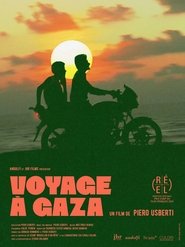
Journey into Gaza
2024
star 8.4“In Gaza you have to get there in the evening, in spring, lock yourself in your room and from there listen to the sounds coming in through the open window.... It's 2018. I am 25 years old and a foreign traveler. I meet young Palestinians my age..”Breakdowns of 1938
1938
Breakdowns of 1938
1938
star 4.7Flubs and bloopers that occurred on the set of some of the major Warner Bros. pictures of 1938.Waldick, Sempre no Meu Coração
2009
star 5The documentary narrates the trajectory of Waldick Soriano, from the time he was a gold miner to his consecration as one of the icons of Brazilian music.Out Run
2016
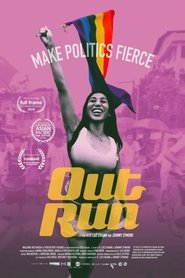
Out Run
2016
star 5.9Mobilizing working-class transgender hairdressers and beauty queens, the dynamic leaders of the world's only LGBT political party wage a historic quest to elect a trans woman to the Philippine Congress.K9 Unleashed
2000
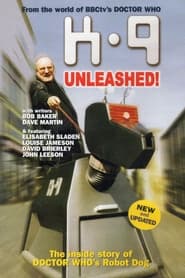
K9 Unleashed
2000
star 8Documentory looking at the Doctors Robot Dog K9 which appeared in the Dr who series between 1977-1981 the series includes interviews with cast and crew as well a showreel for a so far unmade K9 TV series.Fried Shoes Cooked Diamonds
1979
star 6.5After World War II a group of young writers, outsiders and friends who were disillusioned by the pursuit of the American dream met in New York City. Associated through mutual friendships, these cultural dissidents looked for new ways and means to express themselves. Soon their writings found an audience and the American media took notice, dubbing them the Beat Generation. Members of this group included writers Jack Kerouac, William Burroughs, Allen Ginsberg. a trinity that would ultimately influence the works of others during that era, including the "hippie" movement of the '60s. In this 55-minute video narrated by Allen Ginsberg, members of the Beat Generation (including the aforementioned Burroughs, Anne Waldman, Peter Orlovsky, Amiri Baraka, Diane Di Prima, and Timothy Leary) are reunited at Naropa University in Boulder, CO during the late 1970's to share their works and influence a new generation of young American bohemians.Les filles c’est pas pareil
1973
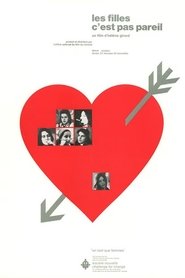
In this feature-length documentary, six teenage girls, aged 14 to 16, agree to open up and have their private worlds invaded by the camera. They have to face problems that they intend to take on "to the end": early experience of sexuality, belonging to a gang, relationships with parents, social tolerance, friendship... They live tender and pure lives in their own way.Sense of Scale
2012
Sense of Scale
2012
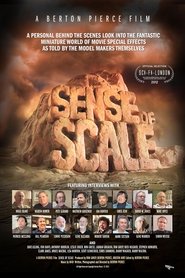
Berton Pierce travelled around America and Europe to interview model makers. Each offers a personal account of their work, and thoughts on the changes in the industry. The documentary is an oral history of the amazing hand crafted workmanship that has produced many iconic film effects over the last 35 years. It focuses on a subject Berton cares deeply about; how computer technology is slowly taking away practical hand made craftsmanship.Heidi Fleiss: Hollywood Madam
1995
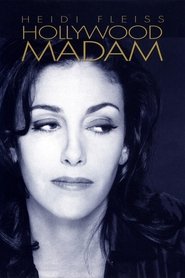
star 6.6A documentary crew from the BBC arrives in L.A. intent on interviewing Heidi Fleiss, a year after her arrest for running a brothel but before her trial. Several months elapse before the interview, so the crew searches for anyone who'll talk about the young woman. Two people have a lot to say to the camera: a retired madam named Alex for whom Fleiss once worked and Fleiss's one-time boyfriend, Ivan Nagy, who introduced her to Alex. Alex and Nagy don't like each other, so the crew shuttles between them with "she said" and "he said." When they finally interview Fleiss, they spend their time reciting what Alex and Nagy have had to say and asking her reaction.Dear Babylon
2019
Dear Babylon
2019
star 6The future of social housing is threatened by the AC30 Housing Bill. Set in London's East End, a trio of art students are eager to raise awareness about their neighbourhood especially the lives of tenants and people who work on the estate.Downfall of the Crypto King
2024
star 1Feature-length documentary about the crypto fraudster Sam Bankman-Fried and the inside story of the collapse of FTXThe Persuaders
2004
The Persuaders
2004
star 8PBS Frontline takes an in-depth look at the multibillion-dollar "persuasion industries" of advertising and public relations and how marketers have developed new ways of integrating their messages deeper into the fabric of our lives. Through sophisticated market research methods to better understand consumers and by turning to the little-understood techniques of public relations to make sure their messages come from sources we trust, marketers are crafting messages that resonate with an increasingly cynical public.The Queen: Mother and Monarch
2022
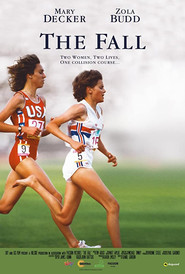
star 6.4Following the announcement from Buckingham Palace of the death of Her Majesty The Queen, we examine how Queen Elizabeth II balanced her duties as head of both her family and her countryThe Fall
2016
The Fall
2016
star 8.5The Fall tells the remarkable story of a South African barefoot runner, an American track-and-field prodigy, and the events behind one of the most memorable moments in sporting history – the 1984 LA Olympics. The film charts two journeys, from rural South Africa under apartheid and the rolling hills of Southern California, to the starting line of the women’s 3,000 metres. It uncovers a tale of betrayal and exploitation, of the blurred lines between politics, media and sport, and of the dedication and sacrifice required to compete at the highest level. It’s a story that split governments and divided nations, but at its heart is a tale of two young women who, despite the turmoil in their lives, just wanted to run.The Crash Reel
2013
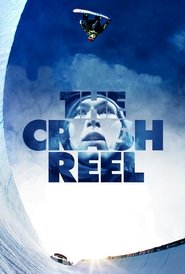
The Crash Reel
2013
star 7.3The Crash Reel tells the story of a sport and the risks that athletes face in reaching the pinnacle of their profession. This is Kevin Pearce’s story, a celebrated snowboarder who sustained a brain injury in a trick gone wrong and who now aims, against all the odds, to get back on the snow.Our Baby: A Modern Miracle
2020
What's it like starting a family when you're both transgender? This intimate film follows Hannah and Jake Graf on a journey through prejudice and surrogacy to birth during lockdown.Cycling the Frame
1988
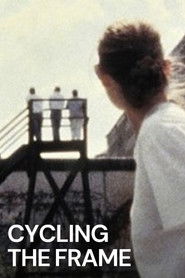
Cycling the Frame
1988
star 6.8In 1988, Tilda Swinton toured round the Berlin Wall on a bicycle - starting and ending at the Brandenburg Gate - accompanied by filmmaker Cynthia Beatt. As Swinton travels through fields and historic neighborhoods, past lakes and massive concrete apartment buildings, the Wall is a constant presence.Annie Girardot selon son cœur
2020
star 6A gifted student, Annie Girardot thought for a while of becoming a nurse, before passing the entrance exam to the Conservatory. She leaves with two first prizes in comedy. In the theater she triumphed in "The Typewriter" by Jean Cocteau. It was Cocteau who made her cut her hair to adopt his famous short cut. The cinema opened its doors and she turned with Pierre Fresnay, then with Jean Gabin, in "Le rouge est mis" by Gilles Grangier. The Comédie-Française then asked her to make a choice. It would be the cinema.