Popular Documentary Movies on Pantaflix - Page 426
All Services
Free Services
 Netflix
 Amazon Prime Video
 Apple iTunes
 Apple TV Plus
 Disney Plus
 Google Play Movies
 Paramount Plus
 Hulu
Hulu
 HBO Max
 YouTube
 fuboTV
 Peacock
 Peacock Premium
 Amazon Video
 The Roku Channel
 AMC+
AMC on Demand
AMC+
AMC on Demand
 Kocowa
 Hoopla
 The CW
 Vudu
Vudu
 Starz
Starz
 Showtime
 PBS
PBS
 Pantaflix
 FXNow
FXNow
 Tubi TV
 Kanopy
 Comedy Central
 Crunchyroll
 Microsoft Store
 Redbox
 Sun Nxt
 ABC
ABC
 DIRECTV
 Crackle
 Fandor
 Plex
Plex
Netflix
Amazon Prime Video
Apple iTunes
Apple TV Plus
Disney Plus
Google Play Movies
Paramount Plus
Hulu
HBO Max
YouTube
fuboTV
Peacock
Peacock Premium
Amazon Video
The Roku Channel
AMC+
AMC on Demand
Kocowa
Hoopla
The CW
Vudu
Starz
Showtime
PBS
Pantaflix
FXNow
Tubi TV
Kanopy
Comedy Central
Crunchyroll
Microsoft Store
Redbox
Sun Nxt
ABC
DIRECTV
Crackle
Fandor
Plex

The Green Planet
2012
The Green Planet
2012
star 7.2It covers thirty percent of the Earth's land mass and yet, most of us barely scratch the surface. Now, discover what few people have seen, as The Green Planet follows the stories of forest inhabitants, from graceful red deer to cunning foxes and impressive wild boar. With cutting edge technology, we also explore some of the more bizarre and wonderful forest dwellers: the purple emperor, liverworts, stag beetles and corydalis. See flowers bloom and blades of grass cut through the snow. Spend time in a foxes den with her new born cubs and follow tiny insects and creatures with microscopic detail. Be a part of a journey that takes you through the seasons and be prepared to be amazed by the natural wonder of creation, destruction and rebirth in this incomparable landscape.Permanent Vacation
2007
Permanent Vacation
2007
star 3.8A camping trip results in some twisted family memories in this off-the-wall black comedy. Hoping for one last family vacation before his children leave the nest, laid-back dad Eric Bury (Frank Harper) takes his brood to a trailer park teeming with oddballs. The clan's plans for a relaxing holiday go down the drain as they encounter sex addicts, a sadistic cop (Michael Bowen), decapitated corpses, bloodthirsty fish and a sage (David Carradine).Urban Legend: Unwrapping Candyman
2018
A critical analysis of Candyman (1992) by writers Tananarive Due and Steven Barnes.Star Trek: Deep Space Nine - Behind the Scenes
1993
star 1Star Trek: Deep Space Nine – Behind the Scenes was a fifty minute documentary hosted by Terry Farrell that looked at the creation of Star Trek: Deep Space Nine, specifically its pilot episode "Emissary". Written by Stephen R. Wolcott and directed by Donald R. Beck, the documentary first aired on 4 January 1993 as a syndicated special of the by Paramount Television produced current media affairs show Entertainment Tonight, at the time the franchise's primary publicity outlet for anything live-action Star Trek related. In the documentary, Farrell (Jadzia Dax) takes the viewer on a tour around the Deep Space 9 sets. The feature also has interviews with the cast, producers, writers and other production staff members and takes a look at the making of "Emissary".Fatal Distraction
2021
Fatal Distraction
2021
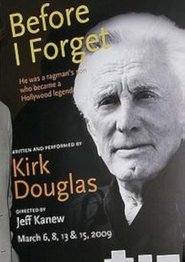
star 8The untold story of the high-profile murder trial of Justin Ross Harris following the death of his toddler son in the hot summer of 2014.Kirk Douglas: Before I Forget
2009
star 7.3Kirk Douglas recounts his remarkable life in a celebrated one-man theater performance augmented with rare film highlights. He shares memories of family, marriages, other Hollywood greats, breaking the blacklist and his life-altering stroke – all with honesty and humor.Brian Friel: Shy Man, Showman
2022
The playwright Brian Friel stands among the giants of Irish literature. From the 1980s onwards, he withdrew from media and public life. This film sets out to show, through family, friends, actors, directors, as well as via his own handwritten and typed letters, personal archive, and readings from some of his plays, how Brian Friel re-defined Irish theatre in the second half of the 20th century.TURA!
2024
TURA!
2024
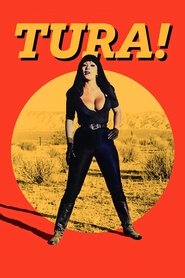
The one and only Tura Satana. Best remembered for her role as the fierce Varla in Russ Meyer’s 1965 cult classic Faster, Pussycat! Kill! Kill!, Tura’s real life was just as wild and unapologetic as her on-screen persona. And her post-film legacy was just as noteworthy, leaving a fist-shaped mark on pop culture and an indelible signature in burlesque stages, queer clubs, and comic conventions everywhere.The Man Who Saw Too Much
2019
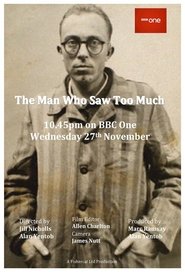
star 7The Man Who Saw Too Much tells the story of 106-year-old Boris Pahor, believed to be the oldest known survivor of the Nazi concentration camps. He was sent to Dachau, Dora, Harzungen, Bergen-Belsen and Natzweiler – one of the Nazis' least known but most deadly camps. Twenty years after the war, Pahor wrote an extraordinary book about his experiences called Necropolis - City of the Dead. Pahor’s harrowing descriptions are illustrated with remarkable drawings by fellow prisoners, creating a unique record of conditions in the Nazi death camps. His testimony, along with details from a shocking report into the camp by British intelligence officer Captain Yurka Galitzine and the chilling testimony by SS commandant Josef Kramer, infamous as the Beast of Belsen, combine to tell an extraordinary story.Time Machine: When Cowboys Were King
2003
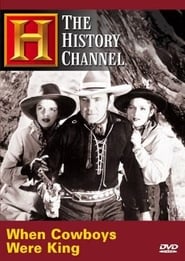
Take a nostalgic ride through movie history and relive the glory days of the Western -- when kids spent their Saturdays watching double-feature matinees and eating popcorn that cost a nickel. Through movie clips and interviews with film critics, actors and fans, this tribute to a bygone era explores the genre from the early days of the Thomas Edison Studios to the heyday of cowboy stars Tom Mix, Hoot Gibson and Gene Autry and the Singing Cowboys.The Wild One
2023
The Wild One
2023
star 6In the work of Jack Garfein - Holocaust survivor, theater and film director, key figure in the formation of the Actors Studio - past and and present freely intermingled to contribute to memorable stage productions and in two films, many which were ahead of their time in tackling such issues as homosexuality, race and violence. Powered by his vivid recollections and augmented with readings by Willem Dafoe, The Wild One traces Garfein’s life: his Czechoslovakian youth, his family’s fleeing the Nazis, surviving in Auschwitz and other camps, his 1946 arrival at 16 in New York and coming under the wing of Lee Strasberg, Hollywood, his marriage to actress Carroll Baker.Fightville
2011
Fightville
2011
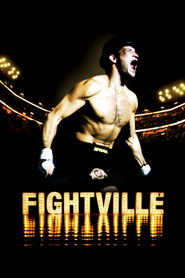
star 6FIGHTVILLE is about the art and sport of fighting: a microcosm of life, a physical manifestation of that other brutal contest called the American Dream...In the Realms of the Unreal
2004
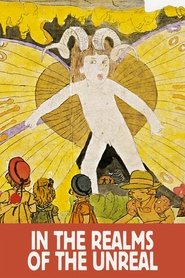
star 7.1In the Realms of the Unreal is a documentary about the reclusive Chicago-based artist Henry Darger. Henry Darger was so reclusive that when he died his neighbors were surprised to find a 15,145-page manuscript along with hundreds of paintings depicting The Story of the Vivian Girls, in What is Known as the Realms of the Unreal, of the Glodeco-Angelinnian War Storm, Cased by the Child Slave Rebellion.Made in the USA
1993
Katerina Gogou: For the Restoration of Blackness
2013
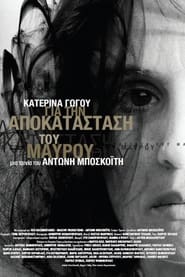
The biography of poet and actress Katerina Gogou. In the film, Boskoitis combines exclusively in black and white, archival material and interviews with Gogou's friends and collaborators, along with dramatized sketches from her life (starring Loukia Michalopoulou) as well as well-known, set-to-music poems of hers.Don't F**k with Liroy
2025
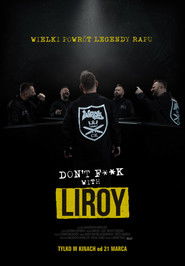
Story of a self-made man, pioneer of the Polish hip hop scene and politics. Rapper, envoy, father - fought for the legalization of medical marihuana.The Ripple Effect
2021
The Ripple Effect
2021
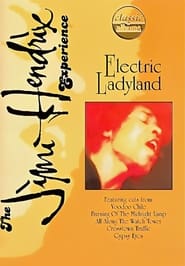
The Ripple Effect is a powerful documentary primarily centred around St Kilda legend and proud Noongar Nicky Winmar's generation-defining stand against racism at Victoria Park in 1993.Jimi Hendrix: Electric Ladyland
2008
star 7.6Originally produced in 1997 as part of the Classic Albums television series, this newly edited, expanded edition features almost 40 minutes of additional content not see in the original feature. Bassist Noel Redding, drummer Mitch Mitchell and co-manager Chas Chandler detailed their contributions while engineer Eddie Kramer re-examined the many multi-track tapes created during the sessions. Help from Jimi's `friends and passengers' came by way of new interviews with drummer Buddy Miles, Jefferson Airplane bassist Jack Casady, Traffic's Dave Mason and Steve Winwood, among others.