Top Rated Documentary Movies - Page 135
All Services
Free Services
 Netflix
 Amazon Prime Video
 Apple iTunes
 Apple TV Plus
 Disney Plus
 Google Play Movies
 Paramount Plus
 Hulu
Hulu
 HBO Max
 YouTube
 fuboTV
 Peacock
 Peacock Premium
 Amazon Video
 The Roku Channel
 AMC+
AMC on Demand
AMC+
AMC on Demand
 Kocowa
 Hoopla
 The CW
 Vudu
Vudu
 Starz
Starz
 Showtime
 PBS
PBS
 Pantaflix
 FXNow
FXNow
 Tubi TV
 Kanopy
 Comedy Central
 Crunchyroll
 Microsoft Store
 Redbox
 Sun Nxt
 ABC
ABC
 DIRECTV
 Crackle
 Fandor
 Plex
Plex
Netflix
Amazon Prime Video
Apple iTunes
Apple TV Plus
Disney Plus
Google Play Movies
Paramount Plus
Hulu
HBO Max
YouTube
fuboTV
Peacock
Peacock Premium
Amazon Video
The Roku Channel
AMC+
AMC on Demand
Kocowa
Hoopla
The CW
Vudu
Starz
Showtime
PBS
Pantaflix
FXNow
Tubi TV
Kanopy
Comedy Central
Crunchyroll
Microsoft Store
Redbox
Sun Nxt
ABC
DIRECTV
Crackle
Fandor
Plex

Trespassing Bergman
2013
Trespassing Bergman
2013
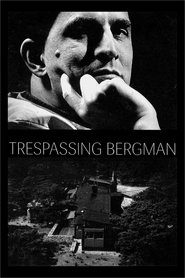
star 6.6In the sixties, Swedish filmmaker Ingmar Bergman (1918-2007) built a house on the remote island of Fårö, located in the Baltic Sea, and left Stockholm to live there. When he died, the house was preserved. A group of very special film buffs, came from all over the world, travel to Fårö in search of the genius and his legacy. (An abridged version of Bergman's Video, 2012.)Reflections on Titanic
2012
star 7.3An enthralling and fast-paced four-part documentary feature that covers the making of one of the last major Hollywood epics; Titanic. Cast and crew speak on setting the sinking of the ship against a classic romance. The feature also examines casting and the young couple headlining the film, DiCaprio's and Winslet's on-set friendship and their differing acting styles, the expansive sets and filming locations, the authenticity of the recreated ship, James Cameron's work and dedication, and budgeting. And many more aspects of the film are overviewed.At Berkeley
2013
At Berkeley
2013
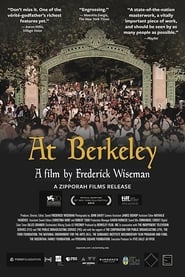
star 6.7Direct cinema pioneer Frederick Wiseman takes an in-depth look at the preeminent American university during a fall semester that saw a vigorous debate taking place over tuition hikes, budget cuts, and the future of higher education in the United States.Le goûter des bébés
1897
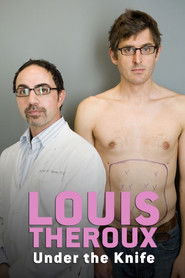
Louis Theroux: Under the Knife
2007
star 6.7Louis Theroux: Under the Knife is a TV documentary written and presented by Louis Theroux about the people and doctors involved in plastic surgery operations. Filmed mostly in the USA, in the programme, Louis himself ends up getting liposuction.Chicago Police Parade
1896
star 4.7Walking four abreast, in groups of six rows, 144 of Chicago's finest parade past a stationary camera. Each of the six groups that pass is escorted by an officer. All are men, all are white, all look tall, all wear identical high-buttoned uniforms and badges and carry a nightstick. Almost all sport mustaches. Behind the police comes a horse-drawn carriage.Propaganda
2013
Propaganda
2013
star 8An anti-western propaganda film about the influences of American visual and consumption culture on the rest of the world, as told from a North Korean perspective.Eraserhead Stories
2001
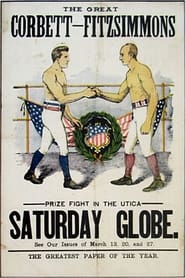
The Corbett-Fitzsimmons Fight
1897
star 5.3This legendary fight was filmed on March 17, 1897, using 63mm film that produced an aspect ratio of about 1.75:1. Using three adjacent cameras, Enoch Rector recorded the entire fight, simultaneously creating the world's first known feature film, as the resulting footage lasted over 90 minutes in length. About a quarter of the film survives today.Circular Panorama of Electric Tower
1901
star 5.3A most interesting picture at the Pan-American Exposition. The picture was taken from the north side of the Electric Tower. It presents the most perfect and diversified views of the Transportation Building, Mexican Plaza, the Stadium and the north side of the Electric Tower. (Edison Catalog, 1902)Park Avenue: Money, Power & The American Dream
2012
star 7If income inequality were a sport, the residents of 740 Park Avenue in Manhattan would all be medalists. This address boasts the highest number of billionaires in the United States.Approved for Adoption
2012
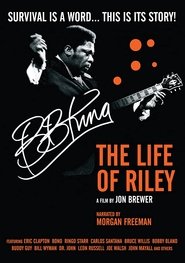
star 7.3This remarkable animated documentary traces the unconventional upbringing of the filmmaker Jung Henin, one of thousands of Korean children adopted by Western families after the end of the Korean War. It is the story of a boy stranded between two cultures. Animated vignettes – some humorous and some poetic – track Jung from the day he first meet his new blond siblings, through elementary school, and into his teenage years, when his emerging sense of identity begins to create fissures at home and ignite the latent biases of his adoptive parents. The filmmaker tells his story using his own animation intercut with snippets of super-8 family footage and archival film. The result is an animated memoir like no other: clear-eyed and unflinching, humorous, and above all, inspiring in the capacity of the human heart.B.B. King: The Life of Riley
2012
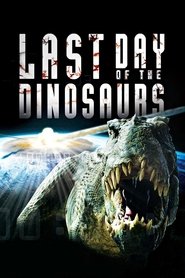
star 6.9Documentary charting the life of blues guitarist B.B. King, with contributions from fellow musicians.Last Day of the Dinosaurs
2010
star 7.4Last Day of the Dinosaurs is a 2010 Discovery Channel television documentary about the extinction of the dinosaurs. It portrays the Alvarez hypothesis as the cause of extinction.Free Angela and All Political Prisoners
2012
star 7.1The story of how, in 1970, the social activism of young UCLA philosophy professor Angela Davis led her to become involved in a failed kidnapping attempt that ended in a shootout, four deaths, and her name on the FBI's Ten Most Wanted list.Hotel Monterey
1973
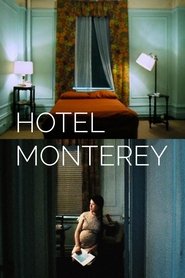
Hotel Monterey
1973
star 6Hotel Monterey is a cheap hotel in New York reserved for the outcasts of American society. Chantal Akerman invites viewers to visit this unusual place as well as the people who live there, from the reception up to the last story.Water-Mirror of Granada
1955
star 6.7Experimental, cinematic symphony of Granada, José Val del Omar's birthplace.Diaries, Notes, and Sketches
1968
star 7.4Also known as Walden, Jonas Mekas’s first diary film is a six-reel chronicle of his life in 1960s New York, interweaving moments with family, friends, lovers, and artistic idols. Blending everyday encounters with portraits of the avant-garde art scene, it forms an epic, personal meditation on community, creativity, and the passage of time.The Sweatbox
2002
The Sweatbox
2002
star 6.9Trudie Styler, a documentarian, had been allowed to film the production of 'Kingdom of the Sun'/'The Emperor's New Groove' as part of the deal that originally brought her husband Sting to the project. As a result, Styler recorded much of the struggle, controversy, and troubles that went into making the picture on film (including when producer Fullmer called Sting to inform the pop star that his songs were being deleted from the film). Styler's completed documentary, The Sweatbox, premiered at the Toronto Film Festival on September 13, 2002. Disney owns the rights to the documentary and has not released it on home video or DVD.José & Pilar
2010
José & Pilar
2010
star 7.3A deeply moving story about love, loss and literature, this documentary follows the days of José Saramago, the Nobel-laureate Portuguese novelist, and his wife, Pilar del Río. The film shows their whirlwind life of international travel, his passion for completing his masterpiece "The Elephant's Journey", and how their love quietly sustains them throughout.