Top Rated Documentary Movies - Page 274
All Services
Free Services
 Netflix
 Amazon Prime Video
 Apple iTunes
 Apple TV Plus
 Disney Plus
 Google Play Movies
 Paramount Plus
 Hulu
Hulu
 HBO Max
 YouTube
 fuboTV
 Peacock
 Peacock Premium
 Amazon Video
 The Roku Channel
 AMC+
AMC on Demand
AMC+
AMC on Demand
 Kocowa
 Hoopla
 The CW
 Vudu
Vudu
 Starz
Starz
 Showtime
 PBS
PBS
 Pantaflix
 FXNow
FXNow
 Tubi TV
 Kanopy
 Comedy Central
 Crunchyroll
 Microsoft Store
 Redbox
 Sun Nxt
 ABC
ABC
 DIRECTV
 Crackle
 Fandor
 Plex
Plex
Netflix
Amazon Prime Video
Apple iTunes
Apple TV Plus
Disney Plus
Google Play Movies
Paramount Plus
Hulu
HBO Max
YouTube
fuboTV
Peacock
Peacock Premium
Amazon Video
The Roku Channel
AMC+
AMC on Demand
Kocowa
Hoopla
The CW
Vudu
Starz
Showtime
PBS
Pantaflix
FXNow
Tubi TV
Kanopy
Comedy Central
Crunchyroll
Microsoft Store
Redbox
Sun Nxt
ABC
DIRECTV
Crackle
Fandor
Plex

Kino-Pravda No. 22: Lenin Is Alive in the Heart of the Peasant. A Film Story
1925
star 4.9Dziga Vertov-directed Soviet newsreel covering: First anniversary of Lenin's death / Smycka of the city and the village: group of peasants visit Moscow / Lenin's effect on peasants and oppressed nationsKino-Pravda No. 20: Pioneer Pravda
1924
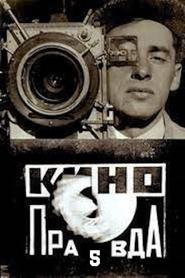
star 5.3Dziga Vertov-directed Soviet newsreel covering: Reports of the Pioneers: Excursion to the country, to the zoo etc.Kino-Pravda No. 5
1922
Kino-Pravda No. 5
1922
star 5Dziga Vertov-directed Soviet newsreel covering: Peasant People's Commissar for Agricultural Affairs, Vasilij Jakovenko / Health resort Soči / Sanatorium for children / Harness racing - The first Red Derby.Oxyana
2013
Oxyana
2013
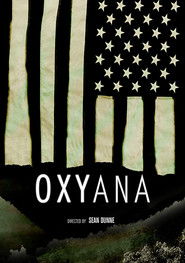
star 6.2Oceana, West Virginia—known as “Oxyana” after its residents’ epidemic abuse of OxyContin—is a tragically real example of the insidious spread of drug dependency throughout the country. Set against an abandoned coal mining landscape to the melodies of Deer Tick’s haunting score, this unflinchingly intimate documentary probes the lives of Oceana’s afflicted and exposes the day-to-day experience of a town living in the harsh grip of addiction.Spark: A Burning Man Story
2013
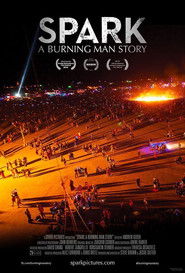
star 5.5Each year, 60,000 people from around the globe gather in a dusty windswept Nevada desert to build a temporary city, collaborating on large-scale art and partying for a week before burning a giant effigy in a ritual frenzy. Spark takes a peek behind the curtain with Burning Man organizers and participants, revealing a year of unprecedented challenges and growth.I Am Nancy
2011
I Am Nancy
2011
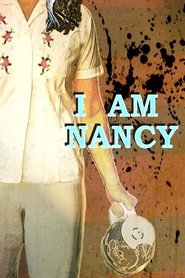
star 6.4A look at Heather Langenkamp's unique experience playing Wes Craven's legendary teen heroine Nancy Thompson. With tongue planted firmly in cheek, Heather asks the burning question: "Why Freddymania, and not Nancymania?" After personally experiencing the Freddy Krueger marketing craze, the rise of horror convention fandom and the phenomenon of eight Nightmare On Elm Street films, Heather reflects on the relevance of heroes in this modern age of monster lovers.Aimless Walk
1930
Aimless Walk
1930
star 6.2This first true Czech avant-garde film turns away from a purely celebratory approach to the city. The camera follows a detached protagonist on his wanderings, as his highly subjective journey becomes a fragmented visualization of urban landscapes.My Own Private River
2012
My Own Private River
2012
star 7.5Unused footage from Gus Van Sant's 1991 film My Own Private Idaho is re-contextualized in James Franco's tribute to River Phoenix.Diatoms
1968
Diatoms
1968
star 6.4The one-celled long and slender diatom, up close: discovered in 1703 with the invention of the microscope. We observe them magnified 10,000 times: water expelled through the skeleton, mucilage constantly emitted, allowing it to glide. Their energy comes from sunlight. They divide and disperse. The narrator, conversing with a young woman, says their remains cover one-third of the earth's surface. They have uses in petroleum, explosives, and polish. Some live in isolation, some in colonies, like elaborate fans. They can move in clusters. Many small animals eat them. We watch them slide on each other in long strings.Bridges-Go-Round 1
1958
Bridges-Go-Round 1
1958
star 6.9New York City's various bridges transform into an urban jungle (jazz version) or an alien landscape (electro-acoustic version).Thorvaldsen
1949
Thorvaldsen
1949
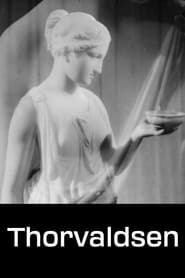
star 5.6Documentary short film about the work of Bertel Thorvaldsen (1770-1844), one of the most famous Danish sculptors, who spent a good part of his life in Italy.Bear Country
1953
Bear Country
1953
star 7.4Bear Country is a 1953 American short documentary film directed by James Algar. It won an Academy Award at the 26th Academy Awards in 1954 for Best Short Subject (Two-Reel).[1] The film was produced by Walt Disney as part of the True-Life Adventures series of nature documentaries.To Love
1968
To Love
1968
star 6Four love stories connected by newsreels of the late 60s. Each short story begins with an epigraph taken from the Song of Songs of the Old Testament. The stories are interconnected by documentary shots and numerous interviews taken on the streets from passers-by who are asked the same question: “what does it mean to love?”.The ABC's of Sex Education for Trainable Persons
1975
star 5.4This training film is meant for professionals who work with the mentally impaired, and is meant to teach them how to help their patients deal with sexual issues.Tale of a Forest
2012
Tale of a Forest
2012
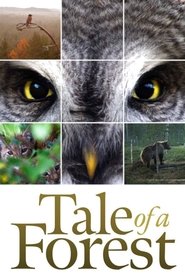
star 6.9A documentary that unveils the primeval forests of Northern Finland, some of Europe's sole remaining, old-growth forests. The main characters of the film are the various inhabitants of the forest: the bears and the elk, the snakes and the owls, the ants, the frogs and the flying squirrels, the ancient soul birds such as the Siberian Jay, the Lapland Owl and many, many others.Anita
2013
Anita
2013
star 7The story of young, brilliant African-American Anita Hill who accuses the Supreme Court nominee Clarence Thomas of unwanted sexual advances during explosive Senate Hearings in 1991 and ignites a political firestorm about sexual harassment, race, power and politics that resonates today.Canyon
1970
Canyon
1970
star 5.6“A silent perusal of the Grand Canyon, morning to night, from a single, fixed camera position, by means of constant dissolves spaced a few seconds apart. Man — entirely absent — is no longer the center of the universe; the canyon exists outside of him. Despite the invisible photographer and his technologically-caused dissolves, this is a creditable approximation of the true foreign-ness of nature.” — Amos Vogel, Film as a Subversive Art (1974)Human Remains
1998
Human Remains
1998
star 7.3Human Remains is a haunting documentary which illustrates the banality of evil by creating intimate portraits of five of the 20th century's most reviled dictators. The film unveils the personal lives of Adolf Hitler, Benito Mussolini, Joseph Stalin, Francisco Franco and Mao Tse Tung. We learn the private and mundane details of their everyday lives -- their favorite foods, films, habits and sexual preferences. There is no mention of their public lives or of their place in history. The intentional omission of the horrors for which these men were responsible hovers over the film.Warszawa 1956
1956
Warszawa 1956
1956
star 6.1Over a decade after the almost total wartime destruction, Warsaw still looks bruised and battered. Ruined houses are nevertheless inhabited which can be dangerous for the local population.Post-Haste
1934
Post-Haste
1934
star 4.9Humphrey Jennings' first film as a director, a brief overview of the British postal service.