Top Rated Documentary Movies - Page 380
All Services
Free Services
 Netflix
 Amazon Prime Video
 Apple iTunes
 Apple TV Plus
 Disney Plus
 Google Play Movies
 Paramount Plus
 Hulu
Hulu
 HBO Max
 YouTube
 fuboTV
 Peacock
 Peacock Premium
 Amazon Video
 The Roku Channel
 AMC+
AMC on Demand
AMC+
AMC on Demand
 Kocowa
 Hoopla
 The CW
 Vudu
Vudu
 Starz
Starz
 Showtime
 PBS
PBS
 Pantaflix
 FXNow
FXNow
 Tubi TV
 Kanopy
 Comedy Central
 Crunchyroll
 Microsoft Store
 Redbox
 Sun Nxt
 ABC
ABC
 DIRECTV
 Crackle
 Fandor
 Plex
Plex
Netflix
Amazon Prime Video
Apple iTunes
Apple TV Plus
Disney Plus
Google Play Movies
Paramount Plus
Hulu
HBO Max
YouTube
fuboTV
Peacock
Peacock Premium
Amazon Video
The Roku Channel
AMC+
AMC on Demand
Kocowa
Hoopla
The CW
Vudu
Starz
Showtime
PBS
Pantaflix
FXNow
Tubi TV
Kanopy
Comedy Central
Crunchyroll
Microsoft Store
Redbox
Sun Nxt
ABC
DIRECTV
Crackle
Fandor
Plex

The Fine Art of Separating People from Their Money
1996
star 5.2An examination of the evolution of commercials as an artistic medium, featuring interviews with media luminaries who relate how the in-your-face stylistic conventions of commercials have influenced feature films and the visual arts. A documentary film talking about art and advertising divided in three parts: 1. Crossing Over - from cinema to ads from ads to cinema 2. Humour - How humour affects us in advertising 3. Shock - The way shock is used to sellChaplin Today: The Gold Rush
2003
star 5African filmmaker Idrissa Ouedraogo (YAABA) discusses the influence that Charlie Chaplin has been on his work, along with archival footage of interviews with several of Chaplin's co-stars.The Brickmakers
1972
The Brickmakers
1972
star 6.4This film documents the life of a family of brick makers in the outskirts of Bogotá, using the personal experience of the Castañeda family to expose the exploitation of manual laborers. Marta Rodríguez and Jorge Silva worked on this documentary from 1966 to 1972, establishing a relationship with the family which allows the viewer an intimate look at their hardships.The Tarantella from 'Napoli'
1903
star 6.3This Danish film shows us a young woman doing a dance, which translates to tarantula. According to the brief bio over at the Europa Film Treasures site, this dance was "influenced" by the delirium caused by the bite of a tarantula.Panorama from the Tower of the Brooklyn Bridge
1899
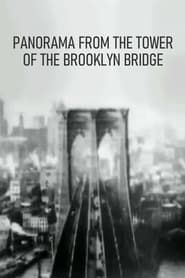
star 4.5Filmed from the Brooklyn tower of the bridge, this is a panorama starting at Manhattan's Battery and then panning northward along the East River shoreline. Reportedly filmed somewhere between 1897 - 1899, though not copyrighted until 1903.Arabian Gun Twirler
1899
Arabian Gun Twirler
1899
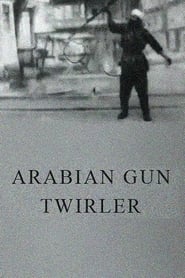
star 4.7"An interesting exhibit by Hadji Cheriff, of the original Midway Plaisance. Twirls his rifle over his shoulder, behind back, under leg, both hands and one hand."Carpenters
1896
Carpenters
1896
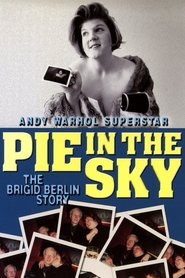
star 5.2In front of a building, five carpenters are working on woodworking machines.Pie in the Sky: The Brigid Berlin Story
2000
star 6Documentary about American artist and former Warhol superstar, Brigid Berlin.Danse au bivouac
1896
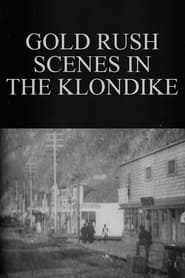
Gold Rush Scenes in the Klondike
1899
star 5.5Following a shot of a newspaper that outlines the hardships of living in the Klondike, there are scenes a typical Klondike town, of people on a raft, and of people mining for gold.Ramassage du linge
1898
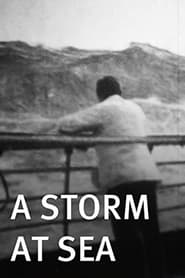
A Storm at Sea
1900
A Storm at Sea
1900
star 5.8While our photographers were crossing the Atlantic Ocean a most wonderful and sensational picture was secured, showing a storm at sea. The picture was secured by lashing the camera to the after bridge of the Kaiserine Maria Theresa, of the North German Lloyd Line, during one of its roughest voyages. The most wonderful storm picture ever photographed. Taken at great risk. (Edison Films, 1901)Amsterdam Global Village
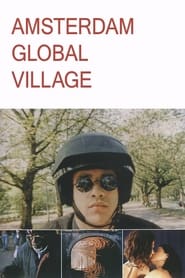
1996
star 6.6"I am far away on a distant journey through my own city", filmmaker Johan van der Keuken says at the end of his four-hour portrait of Amsterdam. The city is presented as a place where people from all corners of the world live, who all exert their cultural influence on the life in the city. With a motor courier as his central figure, the filmmaker introduces the audience to birds of different feathers. We see diverse cultural expressions, like the house scene, the entry of St. Nicholas and a Ghanese mourning ritual. The binding factor in the film is the concept of 'travelling', in other words Amsterdam as a global village. The camera travels through the film in three ways: over land, over water (canals) and through the air.Bob Saget: That's What I'm Talking About
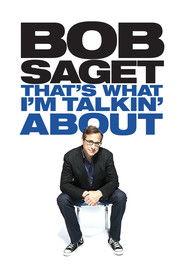
2013
star 6Bob Saget takes to the stage with a song in his heart. A filthy, filthy song to be exact. In his latest stand up special, Saget lets loose and embraces the dark side as he tells his favorite dirty jokes and stories about his dad - the guy who made him like this.In One Breath: Alexander Sokurov's Russian Ark
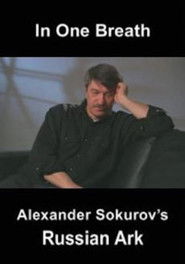
2003
star 6.7Making of Russian Ark, with on camera personal views by members of the cast and crew of the major film.Red Army/PFLP: Declaration of World War
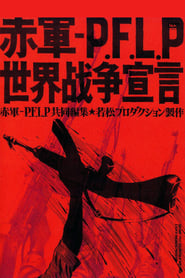
1971
star 6.2On their way back from the Cannes Film Festival in 1971, filmmakers Wakamatsu Koji and Adachi Masao visited Lebanon to meet Japan's Red Army faction and the Popular Front for the Liberation of Palestine to shoot a newsreel film promoting the Palestinian resistance. Conceived as a ‘declaration of world war’ that implicates us all, the directors capture the everyday banality of military training and preparation exercises for imminent battle.