Top Rated Documentary Movies on Kanopy - Page 102
All Services
Free Services
 Netflix
 Amazon Prime Video
 Apple iTunes
 Apple TV Plus
 Disney Plus
 Google Play Movies
 Paramount Plus
 Hulu
Hulu
 HBO Max
 YouTube
 fuboTV
 Peacock
 Peacock Premium
 Amazon Video
 The Roku Channel
 AMC+
AMC on Demand
AMC+
AMC on Demand
 Kocowa
 Hoopla
 The CW
 Vudu
Vudu
 Starz
Starz
 Showtime
 PBS
PBS
 Pantaflix
 FXNow
FXNow
 Tubi TV
 Kanopy
 Comedy Central
 Crunchyroll
 Microsoft Store
 Redbox
 Sun Nxt
 ABC
ABC
 DIRECTV
 Crackle
 Fandor
 Plex
Plex
Netflix
Amazon Prime Video
Apple iTunes
Apple TV Plus
Disney Plus
Google Play Movies
Paramount Plus
Hulu
HBO Max
YouTube
fuboTV
Peacock
Peacock Premium
Amazon Video
The Roku Channel
AMC+
AMC on Demand
Kocowa
Hoopla
The CW
Vudu
Starz
Showtime
PBS
Pantaflix
FXNow
Tubi TV
Kanopy
Comedy Central
Crunchyroll
Microsoft Store
Redbox
Sun Nxt
ABC
DIRECTV
Crackle
Fandor
Plex

Bluefin
2017
Bluefin
2017
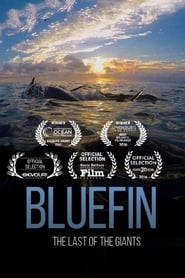
star 7.2Bluefin is a tale of epic stakes set in “the tuna capital of the world.” In North Lake, Prince Edward Island, filmmaker John Hopkins tries to shed light on a baffling mystery: normally wary bluefin tuna no longer fear humans, and no one is quite sure why. Astonished Island fishermen and scientists offer conflicting explanations for the bluefin’s puzzling behaviour. One thing is certain: this great resurgence of gigantic tuna flies in the face of scientific assessments claiming that endangered stocks are down by 90 percent.Hitler's Olympics
2016
Hitler's Olympics
2016
star 6.4Hitler, Nazi propaganda and 1936 Berlin Olympics are put under the microscope to uncover hidden truths and the historical legacy of those games.Midnight Return: The Story of Billy Hayes and Turkey
2016
star 6.8The real life story of Billy Hayes and Midnight Express.Water and Sugar – Carlo Di Palma: The Colours of Life
2017
star 5.2An account of the life and work of legendary cinematographer and director Carlo Di Palma (1925-2004) and an emotional journey through the great moments of cinema, from Italian neorealism to the masterpieces of Woody Allen.Raising Bertie
2017
Raising Bertie
2017
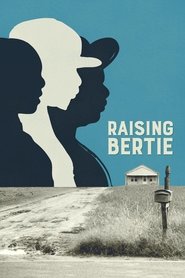
star 9Raising Bertie is a longitudinal documentary feature following three young African American boys over the course of six years as they grow into adulthood in Bertie County, a rural African American-led community in Eastern North Carolina. Through the intimate portrayal of these boys, this powerful vérité film offers a rare in-depth look at the issues facing America's rural youth and the complex relationships between generational poverty, educational equity, and race. The evocative result is an experience that encourages us to recognize the value and complexity in lives all too often ignored.Missing Mom
2016
Missing Mom
2016
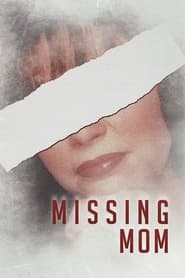
star 6Filmmaker Rob McCallum hits the road with his brother Chris Byford in search of their Mom who's been missing for almost 25 years.The Amish: Shunned
2014
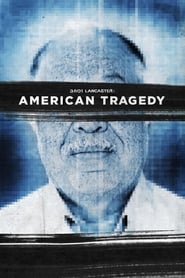
3801 Lancaster: American Tragedy
2015
star 6.2The chilling story of the charismatic Dr. Kermit Gosnell and the squalid abortion clinic he operated for years in Philadelphia despite many pleas to health authorities to investigate the deaths of women and infants.Sticky: A (Self) Love Story
2016
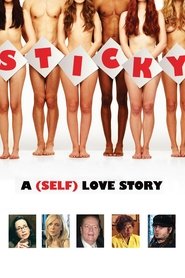
star 4.4"Sticky" is everything your mother was too embarrassed to tell you about masturbation, in one stimulating documentary. Full of candid interviews from celebrated figures to everyday people, health care professionals, sex therapists, zoologists, anthropologists, and religious figures, this feature length doc answers age-old questions like: What is masturbation? Will it make me go blind? Is it "normal"? Is it wrong? And why are we so afraid to be caught in the act? In a world where confusion about sexuality remains at the root of so many societal problems - rape, sexual abuse, and the threat of sexually transmitted diseases - "Sticky" will help shatter misconceptions and myths surrounding this intimate aspect of human sexuality.Political Animals
2016
Political Animals
2016
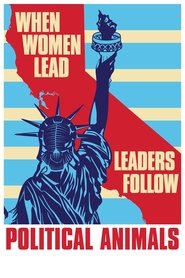
star 5.5The story of four pioneering lesbian politicians and the battles they fought to pass a wide range of anti-discrimination laws.Out Run
2016
Out Run
2016
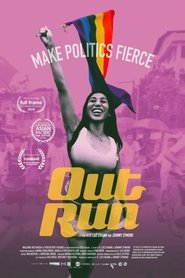
star 5.9Mobilizing working-class transgender hairdressers and beauty queens, the dynamic leaders of the world's only LGBT political party wage a historic quest to elect a trans woman to the Philippine Congress.St. Peter's and the Papal Basilicas of Rome 3D
2016
star 8.5The unveiled treasures in the year of the Extraordinary Jubilee. The Papal Basilicas of Rome seen as never before: St. Peter's, St. John in the Lateran, St Mary Major, St Paul Outside the Walls and the works of art enshrined within them. A film tour shot from previously unseen points of view with the latest-generation 3D and 4K technology.Debra Paget, For Example
2016
star 3.2A video essay where the author presumes motivations and insights in a fictionalized biography regarding Debra Paget, a contract player for 20th-Century Fox whom they groomed and coached for stardom.The Joneses
2016
The Joneses
2016
star 5.8A documentary of Jheri Jones, a 74-year-old transgender divorcee, and her family in Mississippi.Inside Her Sex
2014
Inside Her Sex
2014
star 5.9Inside Her Sex is a thought-provoking, feature-length documentary that explores female sexuality and shame through the eyes and experiences of three women from different walks of life, each brave enough to chart her own course of sexual discovery: Elle Chase, a popular sex blogger; Candida Royalle, the creator of Femme Productions Inc., a feminist adult film company designed to speak with a woman's voice; and Samantha Allen, the ex-devout Mormon and current gender, sex, and tech writer for The Daily Beast.The Pearl
2016
The Pearl
2016
star 5"The Pearl" explores the raw emotional and physical experience of being a middle aged to senior transgender woman against the backdrop of post-industrial logging towns in the Pacific Northwest. The film leans into the struggle of those who were reared and successful as men and have reached middle age or later with a burdensome secret that they can no longer keep.Making a Killing: Guns, Greed and the NRA
2016
star 8.2Making a Killing: Guns, Greed, and The NRA tells the stories of how guns, and the billions made off of them, affect the lives of everyday Americans. It features personal stories from people across the country who have been affected by gun violence, including survivors and victims' families. The film exposes how the powerful gun companies and the NRA are resisting responsible legislation for the sake of profit - and thereby putting people in danger.Sidemen: Long Road To Glory
2016
star 6An intimate look at the lives and legacies of piano player Pinetop Perkins, drummer Willie 'Big Eyes' Smith and guitarist Hubert Sumlin, all Muddy Waters and Howlin' Wolf sidemen. The film captures some of the last interviews and their final live performances together, before their deaths in 2011. The historic live shows are accompanied by performances and personal insights from many of the blues and rock stars these legendary sidemen inspired including; Bonnie Raitt, Gregg Allman, Derek Trucks, Shemekia Copeland, Kenny Wayne Shepherd, Joe Perry, Joe Bonamassa and Johnny Winter.The Colonial Misunderstanding
2004
star 5.4In The Colonial Misunderstanding Jean-Marie Teno sheds light on the complex and problematic relationship between colonization and European missionaries on the African continent. The film looks at Christian evangelism as the forerunner of European colonialism in Africa, indeed, as the ideological model for the relationship between North and South even today.The Liberators
2016
The Liberators
2016
star 5.6Medieval art treasures seized by the Nazis go missing at the end of World War II. Were they destroyed in the chaos of the final battles? Or were these thousand-year-old masterpieces stolen by advancing American troops? For over forty years, the mystery remained unsolved. A true detective story, "The Liberators" follows a dogged German art detective through the New York art world and military archives to the unlikeliest of destinations: a small town on the Texas prairie. Featuring interviews with Willi Korte (Portrait of Wally) and Texas attorney Dick DeGuerin, the film raises intriguing questions as to the motivations of the art thief and the whereabouts of the items that, to this day,