Top Rated Documentary Movies on Kanopy - Page 248
All Services
Free Services
 Netflix
 Amazon Prime Video
 Apple iTunes
 Apple TV Plus
 Disney Plus
 Google Play Movies
 Paramount Plus
 Hulu
Hulu
 HBO Max
 YouTube
 fuboTV
 Peacock
 Peacock Premium
 Amazon Video
 The Roku Channel
 AMC+
AMC on Demand
AMC+
AMC on Demand
 Kocowa
 Hoopla
 The CW
 Vudu
Vudu
 Starz
Starz
 Showtime
 PBS
PBS
 Pantaflix
 FXNow
FXNow
 Tubi TV
 Kanopy
 Comedy Central
 Crunchyroll
 Microsoft Store
 Redbox
 Sun Nxt
 ABC
ABC
 DIRECTV
 Crackle
 Fandor
 Plex
Plex
Netflix
Amazon Prime Video
Apple iTunes
Apple TV Plus
Disney Plus
Google Play Movies
Paramount Plus
Hulu
HBO Max
YouTube
fuboTV
Peacock
Peacock Premium
Amazon Video
The Roku Channel
AMC+
AMC on Demand
Kocowa
Hoopla
The CW
Vudu
Starz
Showtime
PBS
Pantaflix
FXNow
Tubi TV
Kanopy
Comedy Central
Crunchyroll
Microsoft Store
Redbox
Sun Nxt
ABC
DIRECTV
Crackle
Fandor
Plex

The Path: Evolution
2016
The Path: Evolution
2016
The Path: Evolution is the third film of The Path Series trilogy and explores the theory that human beings are living in a virtual reality system similar to the rules of an assimilated video game. The filmmakers follow former NASA nuclear physicist, Thomas Campbell, as he shares his knowledge and the results of his research of consciousness, physics, metaphysics and morality to explain mind and matter, normal and paranormal, life, death, and purpose, with all of this logically flowing from the concept of reality as information. The Path: Evolution will undoubtedly challenge the viewer's current belief systems and leave a lasting impression on human beings to re-evaluate how they are behaving, treating others, and existing in the world.Life, Unexpected
2021
Life, Unexpected
2021
Shot over 10 years in intimate, raw home footage by an Oscar-winning filmmaking couple, LIFE UNEXPECTED tells the story of the unforgiving roller coaster of bringing life into this world.Honor Thy Mother
2021
Honor Thy Mother
2021
The untold story of 36 Aboriginal women from Canada and Native women from tribes in Washington and Alaska who migrated in the 1940s to Bainbridge Island, the traditional territory of the Suquamish people.The Architecture Of Mud
1999
The Hadhramaut region in the south east of Yemen is well known for its mud brick architecture. Throughout the centuries, the population has developed very sophisticated building techniques and created a unique architectural environment. Spectacular structures such as ten-story mud brick tower houses rise up from the valley's floor. In interviews throughout the documentary, the masons describe their working techniques and the challenges they face with the introduction of new, imported building materials. The Architecture of Mud documents the vernacular architecture, the building craft and the society they belong to.Like You Know It All
2021
Like You Know It All
2021
Kwang-Ja Lee, a counsellor at ‘Lifeline Korea’ has been listening to anonymous people’s stories for 45 years. Every day, she is all ears to stories that cannot be shared anywhere else. Image and sound react to it and creates new reflective space that seems to be the bottom of one’s heart.Qudad, Re-Inventing a Tradition
2004
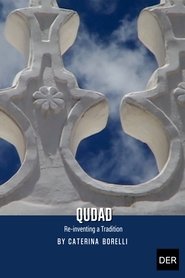
This documentary follows a group of Yemeni masons as they restore the 16th century Amiriya Madrasa using ancient—and uniquely Yemeni—techniques. Through this project they not only renovate and protect a revered landmark, but also ensure that their rare craft will not be lost.Taliban Takeover
2021
Taliban Takeover
2021
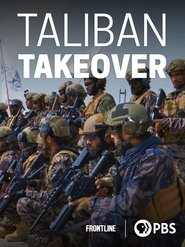
The Taliban take over Afghanistan, and the threat of ISIS and Al Qaeda intensifies. On the ground, reporter Najibullah Quraishi (Leaving Afghanistan, Taliban Country) investigates uncertainty and fear among the Afghan people and revisits the lead-up to the U.S. defeat and the Taliban’s return.Disenchanted Forest
2002
Disenchanted Forest
2002
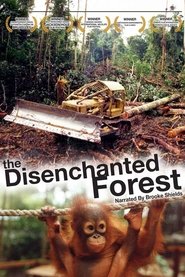
We call them o-rang-u-tans, which literally means "forest persons" in the Malay and Indonesian languages. They are the only great apes native to Asia. Of all the apes, they are the closest to man in genetic makeup. And they face extinction. Two years in the making, the film is an intimate portrayal of the world of orangutans, the threats to their survival and the people committed to help them thrive. The film focuses on a recent discovery that orangutans do not rely on animal instinct for survival, but instead have a culture that they have preserved from generation to generation.The Body Won't Close
2021
The Body Won't Close
2021
Our bodies are semi-permeable. All over the world, stories are being told about heroes who magically “close” their bodies, so as to become invincible. This film follows one such story, as it is told in Santo Amaro, Bahia (Brazil). Besouro Mangangà was a capoeira player, a black hero, who had closed his body. No bullets, no knives or daggers could pierce his skin. Bahian men explain how “closing the body” makes sense in their precarious and violent world, and why, in the end, this closure can never be accomplished. Soon the filmmaker realizes that his film is not only about the people in Bahia. He too is struggling with the porosity of his body, endlessly trying to strike a balance between shutting the world out and letting the world in. Competing for the RAI Film Prize and Basil Wright Film Prize.Love in the Time of Corona
2021
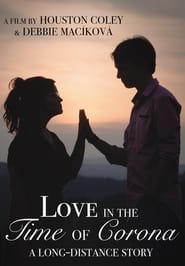
After the pandemic separates them, an international couple writes long-distance letters to each other while they face uncertainty and wait to be reunited.The Cannabis Question
2021
NOVA investigates the story of cannabis from the criminalization that has disproportionately harmed communities of color to the latest medical understanding of the plant. What risks does cannabis pose to the developing brain? How much do we know about its potential medical benefits? As cannabis becomes socially accepted, scientists are exploring its long-term health consequences.Citizen Hearst
2021
Citizen Hearst
2021
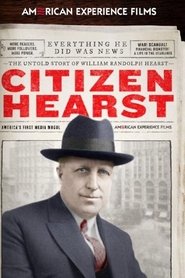
Explore the life of William Randolph Hearst, the pioneering media mogul and inspiration for Orson Welles’ "Citizen Kane." Wielding unprecedented power, Hearst forever transformed the media’s role in American life and politics.Punch 9 for Harold Washington
2021
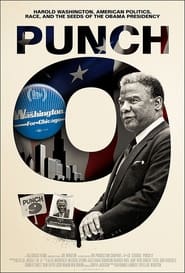
In this epic story of American politics, race, and triumph against all odds, director Joe Winston chronicles the captivating rise, surprising reign, and enduring legacy of Chicago’s first African American Mayor, Harold Washington. Steeped in archival footage capturing a 1980s Chicago rife with corruption and discrimination, Punch 9 features candid interviews with Jessie Jackson, Vice Mayor Richard Mell, and others on the frontlines and in the backrooms of power as it follows the charismatic politician’s shrewd maneuverings, stinging betrayals, and unlikely victories. Inspiring and compelling, Washington’s journey continues to resonate for a city and nation confronting the same enduring social issues.Panama Canal
2011
Panama Canal
2011
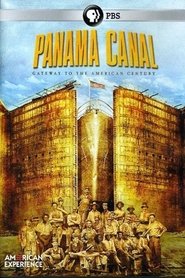
On August 15th, 1914, the Panama Canal opened, connecting the world's two largest oceans and signaling America's emergence as a global superpower.In Balanchine's Classroom
2021
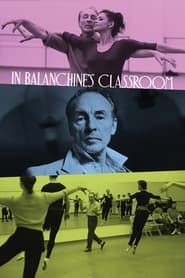
IN BALANCHINE’S CLASSROOM takes us back to the glory years of George Balanchine’s New York City Ballet through the remembrances of his former dancers and their quest to fulfill the vision of a genius. Opening the door to his studio, Balanchine’s private laboratory, they reveal new facets of the groundbreaking choreographer: taskmaster, mad scientist, and spiritual teacher. Today, as his former dancers teach a new generation, questions arise: what was the secret of his teaching? Can it be replicated? Filled with never before seen archival footage of Balanchine at work during rehearsals, classes, and in preparation for his most seminal works, along with interviews with many of his adored and adoring dancers and those who try to carry on his legacy today, this is Balanchine as you have never seen him, and a film for anyone who loves ballet and the creative process.Sandra Day O'Connor: The First
2021
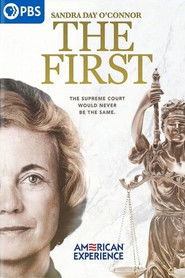
When Ronald Reagan nominated Sandra Day O’Connor as the Supreme Court’s first female justice in 1981, the announcement dominated the news. Time Magazine’s cover proclaimed “Justice At Last,” and she received unanimous Senate approval. Born in 1930 in El Paso, Texas, O’Connor grew up on a cattle ranch in Arizona in an era when women were expected to become homemakers. After graduating near the top of her class at Stanford Law School, she could not convince a single law firm to interview her, so she turned to volunteer work and public service. A Republican, she served two terms in the Arizona state senate, then became a judge on the state court of appeals. During her 25 years on the Supreme Court, O’Connor was the critical swing vote on cases involving some of the 20th century’s most controversial issues. Forty years after her confirmation, this biography recounts the life of a pioneering woman who both reflected and shaped an era.Tiziano
1989
Tiziano
1989
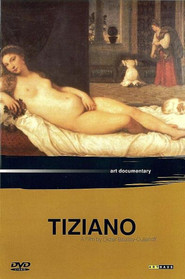
Titian’s genius and significance in European art are undisputed. Trained at the Giovanni Bellini workshop and influenced by working together with Giorgione, he came to a masterly use of colour, light and shade. His oeuvre contains everything his times demanded: drama, carnal lust, religious fervour, mythology and portraits. Didier Baussy-Oulianoff takes us to the places where the renaissance artist devised his works and worked for the most influential courts.A Song for Cesar: Beware a Movement That Sings
2021
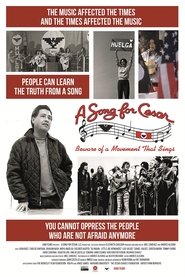
Song for Cesar is a documentary film with a unique view of the life and legacy of Cesar Chavez and the farmworker movement. The film tells a previously untold story about the musicians and artists who dedicated their time, creativity and even reputations to peacefully advance Cesar Chavez's movement to gain equality and justice for America's suffering farmworkers.Double Solitaire
1998
Double Solitaire
1998
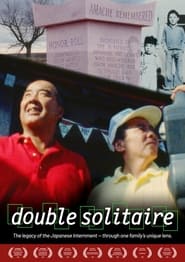
The filmmaker's father and uncle, Norm and Stan, are third generation Japanese Americans. They are "all American" guys who love bowling, cards and pinball. Placed in the Amache internment camp as children during World War II, they don't think the experience affected them that much. But in the course of navigating the maze of her father's and uncle's pursuits while simultaneously trying to inquire about their past, the filmmaker is able to find connections between their lives now and the history that was left behind.