Top Rated Documentary Movies on Kanopy - Page 249
All Services
Free Services
 Netflix
 Amazon Prime Video
 Apple iTunes
 Apple TV Plus
 Disney Plus
 Google Play Movies
 Paramount Plus
 Hulu
Hulu
 HBO Max
 YouTube
 fuboTV
 Peacock
 Peacock Premium
 Amazon Video
 The Roku Channel
 AMC+
AMC on Demand
AMC+
AMC on Demand
 Kocowa
 Hoopla
 The CW
 Vudu
Vudu
 Starz
Starz
 Showtime
 PBS
PBS
 Pantaflix
 FXNow
FXNow
 Tubi TV
 Kanopy
 Comedy Central
 Crunchyroll
 Microsoft Store
 Redbox
 Sun Nxt
 ABC
ABC
 DIRECTV
 Crackle
 Fandor
 Plex
Plex
Netflix
Amazon Prime Video
Apple iTunes
Apple TV Plus
Disney Plus
Google Play Movies
Paramount Plus
Hulu
HBO Max
YouTube
fuboTV
Peacock
Peacock Premium
Amazon Video
The Roku Channel
AMC+
AMC on Demand
Kocowa
Hoopla
The CW
Vudu
Starz
Showtime
PBS
Pantaflix
FXNow
Tubi TV
Kanopy
Comedy Central
Crunchyroll
Microsoft Store
Redbox
Sun Nxt
ABC
DIRECTV
Crackle
Fandor
Plex

Haymarket: The Bomb, the Anarchists, the Labor Struggle
2021
The Chicago Haymarket tragedy, where a bomb thrown into the ranks of Police was followed by an eruption of panic and violence resulting in a trial and execution of presumably innocent workers' rights activists, is examined in this feature documentary film. Expert historians and professors present the history of the bomb, the anarchist movement of the 19th century, and the labor struggle of working people fighting for a shorter work day during the industrial might of America's Gilded Age.America After 9/11
2021
America After 9/11
2021
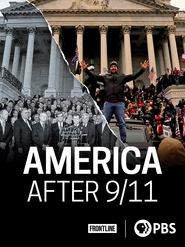
From veteran FRONTLINE filmmaker and chronicler of U.S. politics Michael Kirk and his team, this documentary traces the U.S. response to the September 11, 2001 terrorist attacks and the devastating consequences that unfolded across four presidencies. Drawing on both new interviews and those from the dozens of documentaries Kirk and his award-winning team made in the years after 9/11, this two-hour special offers an epic re-examination of the decisions that changed the world and transformed America. From the wars in Afghanistan and Iraq to the January 6 insurrection, America After 9/11 exposes the legacy of September 11 — and the ongoing challenge it poses for the president and the country.Michael Caine: Breaking the Mold
1994
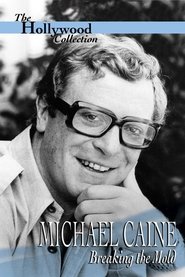
A documentary about actor Michael Caine. Narrated by Caine himself, it includes interviews of his family, friends and colleagues and clips from some of his films.Stay Prayed Up
2021
Stay Prayed Up
2021
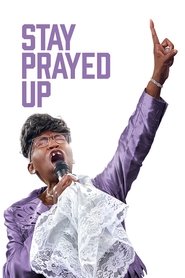
Lena Mae “Mother” Perry, the backbone of her community, cooks for crowds, tends to the needy, and boy, can she sing! After 50 years leading the dynamic, down-home gospel group The Branchettes, the octogenarian powerhouse, armed with her unwavering faith, shows no signs of slowing down. Taking us inside her loving community while following the recording of the group’s first album, this film is bursting with warmth, joy, and soul-stirring gospel music.The Reason Why
2021
The Reason Why
2021
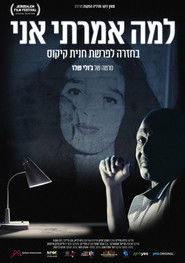
In 1993, 16-year-old Hanit Kikos disappeared from Ofakim, Israel. A few days later, Suleiman al-Obeid Hoda was arrested, confessing that he raped and murdered her but gave conflicting confessions to investigators. 30 years after his imprisonment, the films with those involved in the affair shine a new light on the case.Genius Loci: Carlo Scarpa and the Olivetti store
2015
An examination of the Olivetti store in Venice, Piazza San Marco -- a true icon of Italian architecture of the twentieth century restored in the 1950s by Carlo Scarpa.What a Girl Wants
2001
What a Girl Wants
2001
During the spring of 2000, eleven girls aged 8 to 16 from a variety of socio-economic backgrounds and two classrooms of middle and high school students were interviewed about their views on media culture and its impact on their lives. Their insightful and provocative responses provide the central theme of the film, a half-hour examination of how the media presents girls. Juxtaposing footage culled from a typical week of TV broadcasting with original interviews, WHAT A GIRL WANTS will provoke debate and, ideally, act as a catalyst for change in media content.Mystic Mass
2014
Mystic Mass
2014
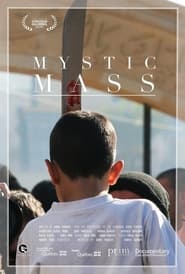
Every year, thousands of Shia Muslims meet in the village of Nabatiyyeh in Lebanon to commemorate the martyrdom of Imam Hussein, assassinated in 680 A.D. It is by far the most important religious event in the Shia cult, and leads to the formation of immense mass movements all around the world. Mystic Mass describes extensively this 24h ceremony, and deconstructs its indivisible, ever united, mystic mass, since its formation early in the morning of Ashoura, up to its dissolution in the afternoon of the same day.Wochiigii lo: End of the Peace
2021
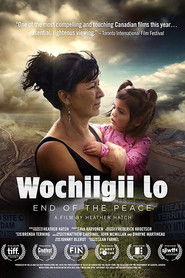
The many environmental, social, legal and human perils of BC’s controversial Site C hydro dam project are explored in Heather Hatch’s documentary.Pornland
2014
The Mean World Syndrome
2010
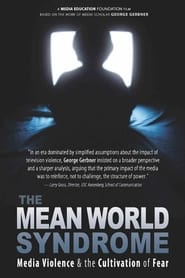
For years, debates have raged among scholars, politicians, and concerned parents about the effects of media violence on viewers. Too often these debates have fallen into simplistic battles between those who claim that media images directly cause violence and those who argue that activists exaggerate the impact of media exposure. Based on interviews conducted with George Gerbner before his death in 2005, the film urges us to think about media effects in more nuanced ways. In contrast to behaviorist models that see media violence as causing real-world violence, and limited effects models that question the impact of media altogether, Gerbner encourages us to move outside the frame of this debate to consider how the repetitive stories media tell constitute a pervasive cultural environment - a landscape of ritualized, often violent images that have the power to cultivate how we see and understand the world.Did Covid Leak from a Lab in China?
2021
An in-depth look at the origins of Covid-19. Did it really start in a food market in Wuhan, China? Or was the global pandemic caused by a lab accident in the same city?A History of an Assignment
2021
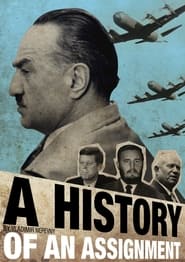
1962 year. Cuban Missile Crisis. The world is on the brink of nuclear disaster. Khrushchev has no leverage over the stubborn commander. The only thing he could do was send someone to Cuba whom he trusted, someone who could convince Castro. This person was Anastas Mikoyan. He was accompanied on his mission by Roman Carmen, a legendary cameraman who filmed the Spanish Civil War, World War II and the Nuremberg Trials. Mikoyan's business trip lasted almost a month. Day after day, step by step, like a real psychologist, he talked with Castro and Che Guevara, listened to their calls to "die beautifully" and destroy the enemy with one blow, and tried to persuade Cuba to compromise to save the world. This film was born thanks to recently declassified documents.An Afghan Village
1974
An Afghan Village
1974
A collage of daily life in Aq Kupruk builds from the single voice that calls the townspeople to prayer, the brisk exchange of the baazar, communal labor in the fields, and the uninhibited sports and entertainment of rural Afghans. The theme of the film focuses on rural society. The film and accompaning instructor notes explore concepts of development, modernization, environmental equilibrium, and especially change, identifying change agents, and analyzing barries and stimulants to change.Life and Death at Preah Vihear
2014
Why are two modern Buddhist countries fighting over an ancient Hindu temple because of a bad French map from the early twentieth century? By documenting this modern conflict over an ancient temple this film addresses a critical question for our times: How does culture matter in matters of war?Hutterites: To Care and Not to Care
1993
Spiritual cousins of the Mennonites and Amish, the Hutterites live simply with austerity. By a way of life that is supremely communal rather than individualistic, the Hutterites have rid themselves of poverty, homicide and anxiety about the future.Playing Frisbee in North Korea
2021
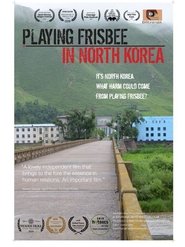
Playing Frisbee in North Korea is the first documentary produced and directed by an African-American female filmmaker from inside North Korea. The idea began at a conference on Korean Re-unification organized by General Colin L. Powell and the Colin Powell Center, where director Savanna Washington was a Graduate Fellow. Through verité footage from inside North Korea, interviews with North Korean refugees, long time aid workers, scholars, and experts on the topic, this documentary provides an authentic, on the ground perspective of the lives, struggles, and humanity of the people of North Korea.Wheat Cycle
1975
Wheat Cycle
1975
The people and their labor are bound to the land in the cycle of activities to the sowing to the harvesting of wheat. Without narration or subtitles, the film conveys a sense of unity between the people and the land. Filmed in the Balkh Province, an area inhabited by Tajik and other Central Asian peoples. The town of Aq Kupruk is approximately 320 miles northwest of Kabul. The theme of the film focuses on rural economics. The film and accompaning instructor notes focus on herding, and fishing under diverse environmental conditions. The impact of technological change, human adaptation, and governmental extension of market systems are parallel themes.Afghan Women
1974
Afghan Women
1974
The words of the women and the rhythm of their lives in the seclusion of family compounds suggests both the satisfying and the limiting aspects of a woman's role in a rural Afghan community. Filmed in the Balkh Province, an area inhabited by Tajik and other Central Asian peoples. The town of Aq Kupruk is approximately 320 miles northwest of Kabul. The theme of the film focuses on women. The film and accompanying instructor notes examine the economic, political, religious, and educational status of women, their legal and customary rights, and the degree of change in their actual and perceived roles.Redeeming Uncle Tom: The Josiah Henson Story
2019
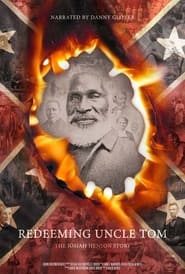
A documentary about the little-known Josiah Henson, the escaped slave who inspired Harriet Beecher Stowe's "Uncle Tom's Cabin."