Top Rated History Movies on Kanopy - Page 39
All Services
Free Services
 Netflix
 Amazon Prime Video
 Apple iTunes
 Apple TV Plus
 Disney Plus
 Google Play Movies
 Paramount Plus
 Hulu
Hulu
 HBO Max
 YouTube
 fuboTV
 Peacock
 Peacock Premium
 Amazon Video
 The Roku Channel
 AMC+
AMC on Demand
AMC+
AMC on Demand
 Kocowa
 Hoopla
 The CW
 Vudu
Vudu
 Starz
Starz
 Showtime
 PBS
PBS
 Pantaflix
 FXNow
FXNow
 Tubi TV
 Kanopy
 Comedy Central
 Crunchyroll
 Microsoft Store
 Redbox
 Sun Nxt
 ABC
ABC
 DIRECTV
 Crackle
 Fandor
 Plex
Plex
Netflix
Amazon Prime Video
Apple iTunes
Apple TV Plus
Disney Plus
Google Play Movies
Paramount Plus
Hulu
HBO Max
YouTube
fuboTV
Peacock
Peacock Premium
Amazon Video
The Roku Channel
AMC+
AMC on Demand
Kocowa
Hoopla
The CW
Vudu
Starz
Showtime
PBS
Pantaflix
FXNow
Tubi TV
Kanopy
Comedy Central
Crunchyroll
Microsoft Store
Redbox
Sun Nxt
ABC
DIRECTV
Crackle
Fandor
Plex

The Life and Death of King John
1984
star 7The reign of England's King John is threatened by Philip of France who demands that John's nephew Arthur be placed on the throne. Pragmatic and decisive, King John moves to plactate the French, but there are others who seek disputre his authority.Julius Caesar
1979
Julius Caesar
1979
star 8.5The assassination of the would be ruler of Rome at the hands of Brutus and company has tragic consequences for Brutus and the republic.Libby, Montana
2004
Libby, Montana
2004
star 3.8Nestled below the rugged peaks of the Northern Rockies and along the crystal-clear Kootenai River lies the small logging town of Libby, Montana - an ironic setting for a town where many hundreds of people are sick or have already died from asbestos exposure.Henry VI Part 1
1983
The Dunera Boys
1985
The Dunera Boys
1985
star 6At the start of WWII the British Government decided to arrest all Germans in the UK no matter how long they had been there. Among those arrested were many Jewish refugees and many who were fully assimilated. This film records the story of a group who were sent to a POW camp in Australia aboard the Dunera.The Trail Of Tears: Cherokee Legacy
2006
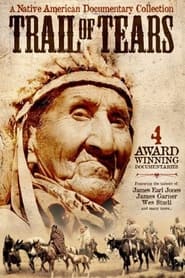
star 4.5Explore America’s darkest period: President Andrew Jackson’s Indian Removal Act of 1830 and the forced removal of the Cherokee Nation to Oklahoma in 1838. Nearly a quarter of the Cherokee National died during the Trail of Tears, arriving in Indian Territory with few elders and even fewer children.One Bright Shining Moment: The Forgotten Summer of George McGovern
2005
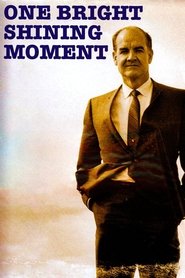
star 6.5ONE BRIGHT SHINING MOMENT retraces George McGovern's bold presidential campaign of 1972 - a grassroots campaign that fought for peace and justice, and positioned ideas and people first. But what is remembered today as being the ultimate political defeat of the American Century may also have been its high watermark. The film poses this central question: what does the crushing electoral defeat of a man so well respected for his decency and intellect say about the electoral process, the American government, and more importantly, what does it say about the forces at work on the American people- then and now? Featuring interviews with the candidate himself, supporters and activists like Gore Vidal, Gloria Steinem, Warren Beatty, Howard Zinn, and music from Bob Dylan, Robbie Robertson, Donovan, and Elvis Costello.Proteus: A Nineteenth Century Vision
2004
star 4The animated documentary Proteus explores the nineteenth century's engagement with the undersea world through science, technology, painting, poetry and myth. The central figure of the film is biologist and artist Ernst Haeckel, who found in the depths of the sea an ecstatic and visionary fusion of science and art.Paul Goodman Changed My Life
2011
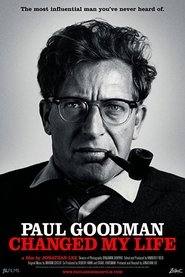
star 1Paul Goodman, whose best-selling 'Growing Up Absurd' made him the philosopher of the New Left in the 1960s, was also a brilliant poet, out queer (and family man) in the 1940s, radical pacifist and visionary. His ideas and stubborn integrity helped many find a moral compass in the '60's -- and can do so again today.Lost Tombs of Notre Dame
2024
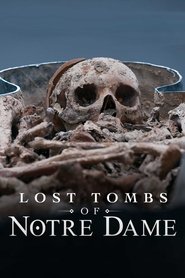
star 7After the Notre Dame fire in 2019, two mysterious coffins were found buried beneath its floor. Where did they come from and who was inside? Follow scientists and historians as they investigate what their stories reveal about this iconic cathedral. From NOVA.Death and the King's Horseman
2023
star 10In British-occupied Nigeria, a Yoruba king, the Alafin, has died, and it is the duty of his horseman, Elesin, to accompany him into the afterlife. While lustily enjoying the pleasures of this world, Elesin proudly anticipates his transition to the next – but the sacred ritual is interrupted, resulting in unforeseen tragedy. Inspired by a real-life incident, this masterpiece from Nobel Prize winner Soyinka celebrates a community striving to uphold its culture in the face of colonial power.Six Days in August
2024
Six Days in August
2024
star 6The Prophet Joseph Smith is dead, killed by a mob. Enemies of the LDS Church think the church will die with Joseph. In fact, that danger is a real possibility. The crisis is undeniable, and the saints in Nauvoo are in chaos.Lavender Men
2025
Lavender Men
2025
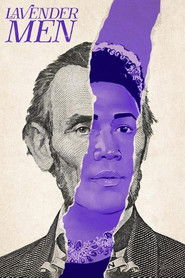
star 10Taffeta, a contemporary queer person of color, summons Abraham Lincoln to perform an elaborate historical fantasia within her own head — only to learn that she can’t hide from her own present-day demons in the shadows of someone else’s past.The Last Expedition
2024
The Last Expedition
2024
star 7The true story of Wanda Rutkiewicz, the first woman in the world and the first person from Poland to climb the highest peaks on earth, told by herself.Memory of the Camps
1985
Memory of the Camps
1985
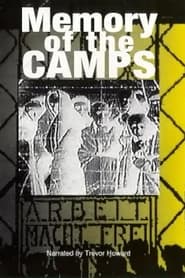
star 2In 1945, Allied troops invaded Germany and liberated Nazi death camps. They found unspeakable horrors which still haunt the world’s conscience. A film was made by British and American film crews who were with the troops liberating the camps. It was directed in part by Alfred Hitchcock and was broadcast for the first time in its entirety on PBS FRONTLINE in 1985.The Lie Detector
2023
The Lie Detector
2023
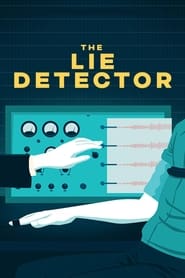
star 8In the first decades of the 20th century, when life was being transformed by scientific innovations, researchers made a thrilling new claim: they could tell whether someone was lying by using a machine. Popularly known as the “lie detector,” the device transformed police work, seized headlines and was extolled in movies, TV and comics as an infallible crime-fighting tool. Husbands and wives tested each other’s fidelity. Corporations routinely tested employees’ honesty and government workers were tested for loyalty and “morals.” But the promise of the polygraph turned dark, and the lie detector too often became an apparatus of fear and intimidation. Written and directed by Rob Rapley and executive produced by Cameo George, The Lie Detector is a tale of good intentions, twisted morals and unintended consequences.San Juan, más allá de las murallas
2022
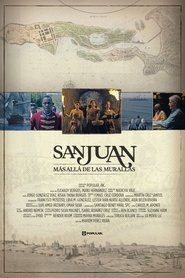
star 6Explore the 500-year history of the city of San Juan, from the move from Caparra to the different invasions during these centuries. It also looks at how different situations and people were key to what is now the capital of Puerto Rico. This documentary presents, through the recreation of key situations, archival material, and accounts of historians and researchers, decisive moments that influenced what is now the capital.Flood in the Desert
2022
Flood in the Desert
2022
star 10Explore the 1928 collapse of the St. Francis Dam, the second deadliest disaster in California history. A colossal engineering and human failure, the dam was built by William Mulholland, a self-taught engineer who ensured the growth of Los Angeles by bringing the city water via aqueduct. The catastrophe killed more than 400 people and destroyed millions of dollars of property.Home from School: The Children of Carlisle
2021
star 5“Kill the Indian to save the man” was the catchphrase of The Carlisle Indian Industrial School, a boarding school opened in Pennsylvania in 1879. It became a grim epitaph for numerous native children who died there. In 2017, a delegation from the Wind River Indian Reservation in Wyoming attempts to retrieve the remains of three Northern Arapaho children buried far from home in the school cemetery, on a journey to recast the troubled legacy of Indian boarding schools, and heal historic wounds. This documentary film is produced by The Content Lab LLC, with support from The Wyoming Cultural Trust Fund, The Wyoming Humanities Council, and Wyoming PBS.Language Matters with Bob Holman
2015
star 10There are over 6,000 languages in the world. We lose one every two weeks. Hundreds will be lost within the next generation. By the end of this century, half of the world's languages will have vanished. Language Matters with Bob Holman is a two hour documentary that asks: What do we lose when a language dies? What does it take to save a language?