Top Rated Documentary Movies on Pantaflix - Page 110
All Services
Free Services
 Netflix
 Amazon Prime Video
 Apple iTunes
 Apple TV Plus
 Disney Plus
 Google Play Movies
 Paramount Plus
 Hulu
Hulu
 HBO Max
 YouTube
 fuboTV
 Peacock
 Peacock Premium
 Amazon Video
 The Roku Channel
 AMC+
AMC on Demand
AMC+
AMC on Demand
 Kocowa
 Hoopla
 The CW
 Vudu
Vudu
 Starz
Starz
 Showtime
 PBS
PBS
 Pantaflix
 FXNow
FXNow
 Tubi TV
 Kanopy
 Comedy Central
 Crunchyroll
 Microsoft Store
 Redbox
 Sun Nxt
 ABC
ABC
 DIRECTV
 Crackle
 Fandor
 Plex
Plex
Netflix
Amazon Prime Video
Apple iTunes
Apple TV Plus
Disney Plus
Google Play Movies
Paramount Plus
Hulu
HBO Max
YouTube
fuboTV
Peacock
Peacock Premium
Amazon Video
The Roku Channel
AMC+
AMC on Demand
Kocowa
Hoopla
The CW
Vudu
Starz
Showtime
PBS
Pantaflix
FXNow
Tubi TV
Kanopy
Comedy Central
Crunchyroll
Microsoft Store
Redbox
Sun Nxt
ABC
DIRECTV
Crackle
Fandor
Plex

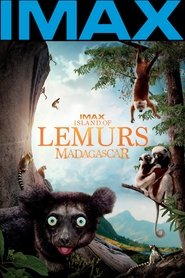
Island of Lemurs: Madagascar
2014
star 6.2The incredible true story of nature’s greatest explorers—lemurs. Through footage captured with IMAX 3D, audiences go on a spectacular journey to the remote and wondrous world of Madagascar. Join trailblazing scientist Patricia Wright on her lifelong mission to help these strange and adorable creatures survive in the modern world.Le maréchal-ferrant
1895
Le maréchal-ferrant
1895
star 4.8While his aide continuously turns the handle of the bellows, keeping hot a small furnace in front of him, a farrier prepares a horse's hoof to receive a new shoe.Deceptive Practice: The Mysteries and Mentors of Ricky Jay
2012
star 6.9The life and career of renowned magician and sleight of hand artist Ricky Jay.Last Words
1968
Last Words
1968
star 5.4Early short by Werner Herzog shot while being on location in Greece shooting "Lebenszeichen".AA
2006
AA
2006
star 4.6"AA" is a documentary about Akira Aida (mostly known as Aquirax Aida), a japanese music critic who introduced free jazz, improvisation, and progressive rock to Japan. It's based on interviews with 12 critics and musicians who had connections with him. This is a documentary that considers the past, present and future of improvisation.The Age of Swordfish
1955
The Age of Swordfish
1955
star 6.5A short anthropological documentary from 1954. Director De Seta was fortunate enough to document swordfish fishing; by 1956 it no longer existed.CM Punk: Best in the World
2012
star 8.2For the first time ever, experience the rise of CM Punk with CM Punk: Best in the World! From his early days in the Indy circuit to his explosive transformation into the most unabashed, outspoken champion in WWE history, this two-hour documentary traces the life of CM Punk through exclusive NEVER-BEFORE-SEEN footage.The Battle of Chile: Part III
1979
star 7.4Guzmán’s final installment shifts from covering the actions of Allende’s opponents to those who battled to revive & promote their toppled leader’s vision for a new Chile.Gimme the Power
2012
Gimme the Power
2012
star 7.9A rock documentary, about the Mexican band Molotov, that focuses more in the political and musical context of Mexico rather than in the actual story of the band.Why We Fight: The Battle of Russia
1943
star 6.8The fifth film of Frank Capra's Why We Fight propaganda film series, revealing the nature and process of the fight between the Soviet Union and Germany in the Second World War.Orozco the Embalmer
2001
Orozco the Embalmer
2001
star 6.2In 1996, Tsurisaki Kiyotaka, one of Japan’s most infamous death photographers, ventured into the center of Hell itself - the Rue Morgue neighborhood of Bogota, Colombia. With death and murder rampant, the corpses eventually find their way to embalmer Froilan Orozco, who has been tending the dead for over 50 years. We watch as bodies are brought in to his shop and he prepares them for their funerals.Wings of Hope
1999
Wings of Hope
1999
star 7Werner Herzog returns to the South American jungle with Juliane Koepcke, the German woman who was the sole survivor of a plane crash there in 1971. They find the remains of the plane and recreate her journey out of the jungle.Stanley Kubrick's Boxes
2008
star 7A few years after his death, the widow of Stanley Kubrick (1928-1999) asks Jon Ronson to look through the contents of about 1,000 boxes of meticulously sorted materials Kubrick left. Ronson finds that most contain materials reflecting work Kubrick did after the release of "Barry Lyndon" in 1975, when Kubrick's film output slowed down. Ronson finds audition tapes for "Full Metal Jacket," photographs to find the right hat for "Clockwork Orange" or the right doorway for "Eyes Wide Shut" -- thousands of details that went into Kubrick's meticulous approach. Ronson believes that the boxes show "the rhythm of genius." Interviews with family, staff, and friends are included.Kevin Smith: Burn in Hell
2012
star 7.1In this hour and a half special, writer/director/comedian/podcaster Kevin Smith conducts a riotous and outrageous Q&A session about the aftermath of his latest film, Red State. Topics include such misadventures as his pissing off the entire movie blogger community at the Sundance Film Festival and being followed around the country by the highly devout, and highly angered, Phelps Family.Moana
1926
Moana
1926
star 6.6Robert J. Flaherty’s follow-up to Nanook of the North shifts from the Arctic to the South Seas, portraying Samoan village life with a painterly eye. Blending ethnographic detail with a romanticized “Gauguin idyll,” the film celebrates daily rituals, communal traditions, and the passage into adulthood, suffused with what Flaherty called “pride of beauty, pride of strength.”Welfare
1975
Welfare
1975
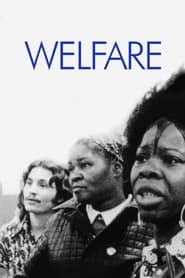
star 7.2WELFARE shows the nature and complexity of the welfare system in sequences illustrating the staggering diversity of problems that constitute welfare: housing, unemployment, divorce, medical and psychiatric problems, abandoned and abused children, and the elderly. These issues are presented in a context where welfare workers as well as clients struggle to cope with and interpret the laws and regulations that govern their work and life.Bottled Life: Nestle's Business with Water
2012
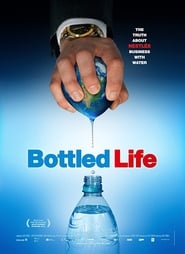
star 6.5Do you know how to turn ordinary water into a billion-dollar business? In Switzerland there's a company which has developed the art to perfection - Nestlé. This company dominates the global business in bottled water. Swiss journalist Res Gehringer has investigated this money-making phenomena. Nestlé refused to cooperate, on the pretext that it was "the wrong film at the wrong time". So Gehringer went on a journey of exploration, researching the story in the USA, Nigeria and Pakistan. His journey into the world of bottled water reveals the schemes and strategies of the most powerful food and beverage company on our planet.I, a Negro
1959
I, a Negro
1959
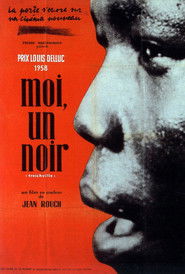
star 7.3Winner of the prestigious Prix Louis Delluc in 1958, "Moi, un noir" marked Jean Rouch's break with traditional ethnography, and his embrace of the collaborative and improvisatory strategies he called "shared ethnography" and "ethnofiction". The film depicts an ordinary week in the lives of men and women from Niger who have migrated to Abidjan, Côte d'Ivoire for work.Elvis - Aloha from Hawaii
1973
star 7.8A 1973 concert by Elvis Presley that was broadcast live via satellite on January 14, 1973. The concert took place at the Honolulu International Center in Honolulu and aired in over 40 countries across Asia and Europe. Viewing figures have been estimated at over 1 billion viewers world wide, and the show was the most expensive entertainment special at the time, costing $2.5 million.General Idi Amin Dada
1974
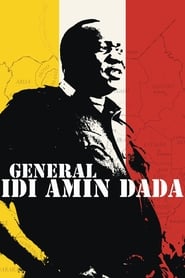
star 7Filmmaker Barbet Schroeder shows the Ugandan dictator meeting his Cabinet, reviewing his troops, explaining his ideology.