Top Rated Documentary Movies on Pantaflix - Page 314
All Services
Free Services
 Netflix
 Amazon Prime Video
 Apple iTunes
 Apple TV Plus
 Disney Plus
 Google Play Movies
 Paramount Plus
 Hulu
Hulu
 HBO Max
 YouTube
 fuboTV
 Peacock
 Peacock Premium
 Amazon Video
 The Roku Channel
 AMC+
AMC on Demand
AMC+
AMC on Demand
 Kocowa
 Hoopla
 The CW
 Vudu
Vudu
 Starz
Starz
 Showtime
 PBS
PBS
 Pantaflix
 FXNow
FXNow
 Tubi TV
 Kanopy
 Comedy Central
 Crunchyroll
 Microsoft Store
 Redbox
 Sun Nxt
 ABC
ABC
 DIRECTV
 Crackle
 Fandor
 Plex
Plex
Netflix
Amazon Prime Video
Apple iTunes
Apple TV Plus
Disney Plus
Google Play Movies
Paramount Plus
Hulu
HBO Max
YouTube
fuboTV
Peacock
Peacock Premium
Amazon Video
The Roku Channel
AMC+
AMC on Demand
Kocowa
Hoopla
The CW
Vudu
Starz
Showtime
PBS
Pantaflix
FXNow
Tubi TV
Kanopy
Comedy Central
Crunchyroll
Microsoft Store
Redbox
Sun Nxt
ABC
DIRECTV
Crackle
Fandor
Plex

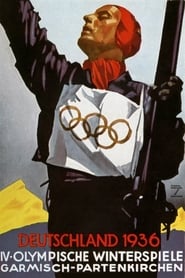
Youth of the World
1936
Youth of the World
1936
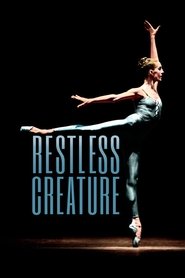
star 5.6This Nazi propaganda film covers the 1936 Winter Olympics that were held in Germany.Restless Creature: Wendy Whelan
2017
star 6.6Documentary on the great American Ballerina Wendy WhelanBotticelli – Inferno
2016
Botticelli – Inferno
2016
star 6.9The Renaissance master Botticelli spent over a decade painting and drawing hell as the poet Dante described it. The film takes us on a journey through hell with fascinating and exciting insights into Botticelli's art and its hidden story.On the Road
2016
On the Road
2016
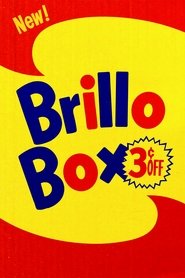
star 4.6North London band Wolf Alice have had a rise to prominence that might have been bends-inducing were it not for their tightness as a group. In summer of 2015, the deliciously dark, hook-and-riff-filled sound of their debut album, My Love Is Cool, inspired the NME to crown it: "the debut of the decade". As a measure of their impact, BAFTA-winning filmmaker Michael Winterbottom joined the band on the road, capturing 16 different gigs and daily life backstage.Brillo Box (3¢ off)
2016
Brillo Box (3¢ off)
2016
star 6.8Follow a beloved Andy Warhol Brillo Box sculpture as it makes its way from a family's living room to a record-breaking Christie's auction, blending personal narrative with pop culture, and exploring how we navigate the ephemeral nature of art and value.The Reception of the Greek King and the Heir Pavle Made by General Bojovic in Bitola
1918
star 5Early Balkan footage.Fair Near "Holy Sunday" Church in Bitola
1905
star 5A short prior to World War I film which captures festivities at a fair near a church in Bitola.A German Life
2016
A German Life
2016
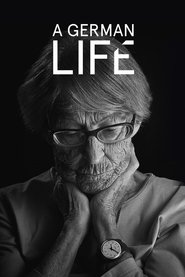
star 6.5Brunhilde Pomsel was a stenographer for Nazi Propaganda Minister Joseph Goebbels. Many people think that the dangers of fascism have been overcome, but she makes it clear that this is not the case.Passfire
2016
Passfire
2016
star 7.2A film about fireworks, the people who make them and the cultures behind them across the globe.Down the Deep, Dark Web
2016
star 7.6A Gonzo-style exploration that goes beyond everything you thought you knew about the dangers, and promise, of the Darknet. Hackers, Cypherpunks and crypto-anarchists guide us ever deeper down this rabbit hole, uncovering the hidden light at the bottom of the deep, dark web.Zoo Quest in Colour
2016
Zoo Quest in Colour
2016
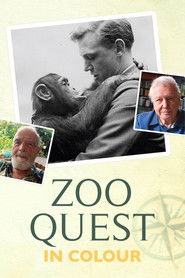
star 8.5Thanks to a remarkable discovery in the BBC's film vaults, the best of David Attenborough's early Zoo Quest adventures can now be seen as never before - in colour - and with it the remarkable story of how this pioneering television series was made. First broadcast in December 1954, Zoo Quest was one of the most popular television series of its time and launched the career of the young David Attenborough as a wildlife presenter. Zoo Quest completely changed how viewers saw the world - revealing wildlife and tribal communities that had never been filmed or even seen before. Broadcast 10 years before colour television was seen in the UK, Zoo Quest was thought to have been filmed in black and white, until now. Using this extraordinary new-found colour film, together with new behind-the-scenes stories from David Attenborough and cameraman Charles Lagus, this special showcases the very best of Zoo Quest to West Africa, Zoo Quest to Guiana and Zoo Quest for a Dragon in stunning HD colour.The Death of Jaime Roldós
2013
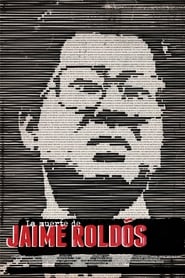
star 8.6A portrait of Jaime Roldos, Ecuador's first democratically elected president, who died with his family when their plane crashed in the mountains.Sonic Sea
2016
Sonic Sea
2016
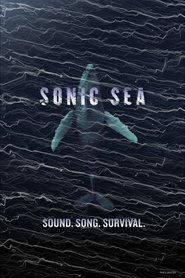
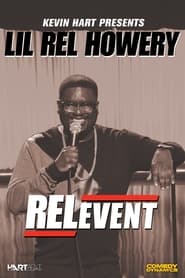
star 7The devastating impact of industrial and military ocean noise on whales and other marine life.Lil Rel Howery: RELevent
2015
star 6.7Lil Rel Howery describes how he found out that his father wasn't a doctor, the difference between raising a son and a daughter, and racism within the black community.Angry Inuk
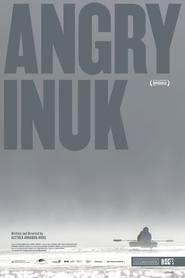
2016
Angry Inuk
2016
star 7.4With "sealfies" and social media, a new tech-savvy generation of Inuit is wading into the world of activism, using humour and reason to confront aggressive animal rights vitriol and defend their traditional hunting practices. Director Alethea Arnaquq-Baril joins her fellow Inuit activists as they challenge outdated perceptions of Inuit and present themselves to the world as a modern people in dire need of a sustainable economy.Shakespeare Live! From the RSC
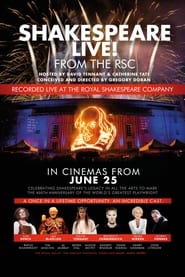
2016
star 7.2From the stage of the Royal Shakespeare Theatre, David Tennant, Catherine Tate and guests mark the life of William Shakespeare on the 400th anniversary of the playwright's death.Wizard Mode
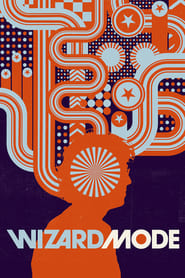
2016
Wizard Mode
2016
star 6.8Mastering classic pinball arcade games requires focus, agility and dedication. Robert Gagno has all these traits. It might explain why he surged from a complete unknown to one of the world's best players in five years. The achievement is even more impressive considering he was diagnosed with autism at age three. His success on the pinball circuit made him part of a community that provided acceptance and encouragement. With his parents' support and determination, Robert has exceeded every expectation placed upon him. As he approaches adulthood, his next challenge is to become more self-sufficient and gain his independence. From high-stakes tournaments across the continent to his day-to-day search for employment, we follow Robert's persistent progression to overcome obstacles and manage the highs of success and lows of falling short. In Wizard Mode, flashing lights and triple combos highlight an outstanding individual who continues to beat the odds and set records.