Top Rated Documentary Movies on Pantaflix - Page 315
All Services
Free Services
 Netflix
 Amazon Prime Video
 Apple iTunes
 Apple TV Plus
 Disney Plus
 Google Play Movies
 Paramount Plus
 Hulu
Hulu
 HBO Max
 YouTube
 fuboTV
 Peacock
 Peacock Premium
 Amazon Video
 The Roku Channel
 AMC+
AMC on Demand
AMC+
AMC on Demand
 Kocowa
 Hoopla
 The CW
 Vudu
Vudu
 Starz
Starz
 Showtime
 PBS
PBS
 Pantaflix
 FXNow
FXNow
 Tubi TV
 Kanopy
 Comedy Central
 Crunchyroll
 Microsoft Store
 Redbox
 Sun Nxt
 ABC
ABC
 DIRECTV
 Crackle
 Fandor
 Plex
Plex
Netflix
Amazon Prime Video
Apple iTunes
Apple TV Plus
Disney Plus
Google Play Movies
Paramount Plus
Hulu
HBO Max
YouTube
fuboTV
Peacock
Peacock Premium
Amazon Video
The Roku Channel
AMC+
AMC on Demand
Kocowa
Hoopla
The CW
Vudu
Starz
Showtime
PBS
Pantaflix
FXNow
Tubi TV
Kanopy
Comedy Central
Crunchyroll
Microsoft Store
Redbox
Sun Nxt
ABC
DIRECTV
Crackle
Fandor
Plex

Enter the Battlefield: Life on the Magic - The Gathering Pro Tour
2016
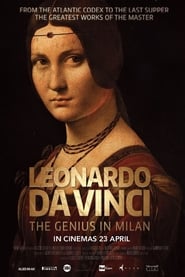
star 6.4Magic: The Gathering is the most popular collectible card game in the world. At Magic's Pro Tour, players from around the globe compete to prove who is the best. They are writers, game theorists, jewelry apprentices, female pioneers, and teenage geniuses.Leonardo da Vinci: The Genius in Milan
2016
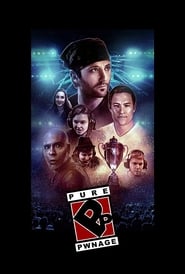
star 8.5An exhibit of Da Vinci's works traces the pathways of the great artist's mind.Pure Pwnage: Teh Movie
2016
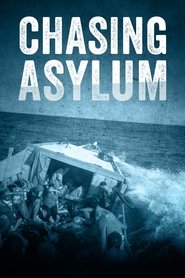
star 7Kyle wants to make a Pure Pwnage movie but he has to do some convincing because Jeremy is now living the suburban life and doesn't want to participate.Chasing Asylum
2016
Chasing Asylum
2016
star 8Chasing Asylum tells the story of Australia's cruel, inhumane treatment of asylum seekers and refugees, examining the human, political, financial and moral impact of current and previous policy.The Divide
2015
The Divide
2015
star 6.7The Divide tells the story of 7 individuals striving for a better life in modern day US and UK - where the top 0.1% owns as much wealth as the bottom 90%. By plotting these tales together, we uncover how virtually every aspect of our lives is controlled by one factor: the size of the gap between rich and poor.The film is inspired by "The Spirit Level" by Richard Wilkinson and Kate Pickett.The Mass
1905
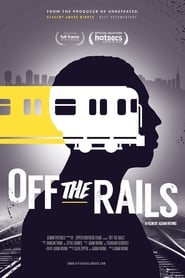
Off the Rails
2016
Off the Rails
2016
star 6.9The remarkable true story of Darius McCollum, a man with Asperger's syndrome whose overwhelming love of transit has landed him in jail 32 times for the criminal impersonation of NYC subway drivers, conductors, token booth clerks, and track repairmen.Kino-Pravda No. 13: Yesterday, Today, Tomorrow. A Film Poem Dedicated to the October Revolution
1922
Kino-Pravda No. 13: Yesterday, Today, Tomorrow. A Film Poem Dedicated to the October Revolution
1922
star 5.3Dziga Vertov-directed Soviet newsreel. The first themed issue of Kino-Pravda, devoted to the fifth anniversary of the October Revolution in 1922.Traceroute
2016
Traceroute
2016
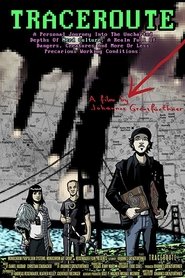
star 6.5Artist and life-long nerd Johannes Grenzfurthner is taking us on a personal road trip from the West Coast to the East Coast of the USA, to introduce us to places and people that shaped and inspired his art and politics. Traceroute wants to chase and question the ghosts of nerddom's past, present and future. An exhilarating tour de farce into the guts of trauma, obsession and cognitive capitalism. Features interviews with Matt Winston, Sandy Stone, Bruce Sterling, Jason Scott, Christina Agapakis, Trevor Paglen, Ryan Finnigan, Kit Stubbs, V. Vale, Sean Bonner, Allison Cameron, Josh Ellingson, Maggie Mayhem, Paolo Pedercini, Steve Tolin, Dan Wilcox, Jon Lebkowsky, Jan "Varka" Mulders, Adam Flynn, Abie Hadjitarkhani, Kelly Poots...The Happy Film
2017
The Happy Film
2017
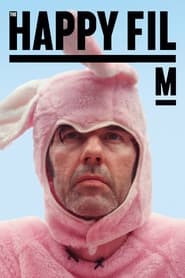
star 5.9New York designer Stefan Sagmeister lives in the city of his dreams, and creates work for the likes of the Rolling Stones and Jay-Z. Business is good, creative juices are flowing, and yet he suspects there must be more to life. Sagmeister takes on the daunting project of changing his personality by trying to figure out the causes of happiness. On the advice of a trusted psychologist Sagmeister experiments with three different approaches: meditation, therapy, and drugs. The Happy Film follows his pursuit, and all that he encounters along the way: joy, ecstasy, heartbreak, change, love, and death.Brothers in Blood: The Lions of Sabi Sand
2015
star 8This is a powerful documentary, filmed over a 16 year span, about the rise of a Coalition of six lions, branded The Mapogo Lions, and their takeover of the largest territory by a pride.Keep Quiet
2016
Keep Quiet
2016
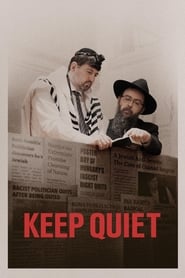
star 6.8Passionate in his anti-Semitic beliefs, Csanád Szegedi was the rising star of Hungary’s far-right party until he discovers his family’s secret—his maternal grandparents were Jewish. The revelation prompts an improbable but seemingly heartfelt conversion from anti-Semite to Orthodox Jew.I Am Sun Mu
2015
I Am Sun Mu
2015
star 6.6Operating under a pseudonym which means 'no boundaries' - North Korean defector Sun Mu creates political pop art based on his life, homeland, and hope for a future united Korea. His hidden identity is nearly compromised when a massive historical exhibit in Beijing is shuttered by Chinese and North Korean authorities.Rocky Mountain Express
2011
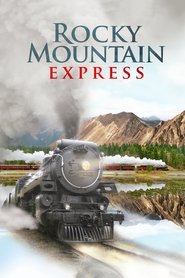
star 6.2A history of the nation's first transcontinental railway accompanies a steam-train ride through the Canadian Rockies.Hidden Colors 4: The Religion of White Supremacy
2016
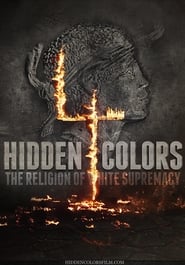
star 6.7Hidden Colors 4: The Religion Of White Supremacy is the latest follow up film to the critically acclaimed hit documentary series Hidden Colors. In this installment of the Hidden Colors series, the film explores topics such as: The motivation behind European global subjugation The history of rarely discussed vast West African empires How germ warfare is used on melanated people The history of slave breeding farms in America And much more.Transformers: The Premake
2014
star 5.3Transformers: Age of Extinction, the fourth installment of the Transformers movie franchise directed by Michael Bay, will be released June 27 2014. But on YouTube one can already access an immense trove of production footage recorded by amateurs in locations where the film was shot, such as Utah, Texas, Detroit, Chicago, Hong Kong and mainland China. Transformers: the Premake turns 355 YouTube videos into a critical investigation of the global big budget film industry, amateur video making, and the political economy of images.The Ritchie Blackmore Story
2015
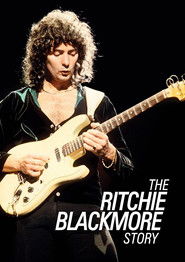
star 7.5The Ritchie Blackmore Story traces the long and winding road of the guitar legend — from his early days as a session player (with legendary producer Joe Meek) and his early ’60s combo the Outlaws up through his years guiding one of hard rock’s finest bands, Deep Purple, and into his recent work with Blackmore’s Night.Swallowed Souls: The Making of Evil Dead 2
2011
star 7.2A documentary about the making of Evil Dead 2.Chicago Boys
2015
Chicago Boys
2015
star 7.6The economists behind the implementation of the most extreme capitalist system in the world observe with surprise the discontent of its countrymen. For the first time, they tell the story of how they became Milton Friedman's students in Chicago in the 1950s and what were they willing to do to pursue their extreme economic ideas, aided by Pinochet's dictatorship in the 70s. Unseen images and testimonies that allow us to understand the historic process that transformed the Chilean people and Chile in the country that it is today, an image of success and discontent.Jeremy Scott: The People's Designer
2015
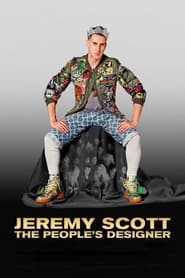
star 7.6The story of fashion designer Jeremy Scott's ascent from a small town in Missouri to his current position as the Creative Director of Moschino.