Top Rated Documentary Movies on Pantaflix - Page 355
All Services
Free Services
 Netflix
 Amazon Prime Video
 Apple iTunes
 Apple TV Plus
 Disney Plus
 Google Play Movies
 Paramount Plus
 Hulu
Hulu
 HBO Max
 YouTube
 fuboTV
 Peacock
 Peacock Premium
 Amazon Video
 The Roku Channel
 AMC+
AMC on Demand
AMC+
AMC on Demand
 Kocowa
 Hoopla
 The CW
 Vudu
Vudu
 Starz
Starz
 Showtime
 PBS
PBS
 Pantaflix
 FXNow
FXNow
 Tubi TV
 Kanopy
 Comedy Central
 Crunchyroll
 Microsoft Store
 Redbox
 Sun Nxt
 ABC
ABC
 DIRECTV
 Crackle
 Fandor
 Plex
Plex
Netflix
Amazon Prime Video
Apple iTunes
Apple TV Plus
Disney Plus
Google Play Movies
Paramount Plus
Hulu
HBO Max
YouTube
fuboTV
Peacock
Peacock Premium
Amazon Video
The Roku Channel
AMC+
AMC on Demand
Kocowa
Hoopla
The CW
Vudu
Starz
Showtime
PBS
Pantaflix
FXNow
Tubi TV
Kanopy
Comedy Central
Crunchyroll
Microsoft Store
Redbox
Sun Nxt
ABC
DIRECTV
Crackle
Fandor
Plex

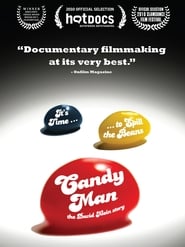
Candyman: The David Klein Story
2010
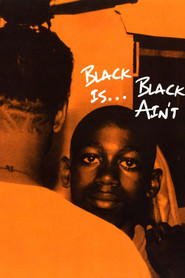
star 6.6Candyman tells the amazing true story of David Klein, an eccentric candy inventor from LA, who came up with the concept of Jelly Belly jellybeans. These colorful beans became a pop culture phenomenon, revolutionized the candy industry and were personally endorsed by Ronald Reagen. However, David's eccentric personality and peculiar sense of business led him to leave Jelly Belly just as it was about to explode and grow into a billion dollar enterprise. Is there room for eccentric genius in the modern corporate world? The film tells how Klein may have lost his beans, but kept his soul.Black Is… Black Ain’t
1995
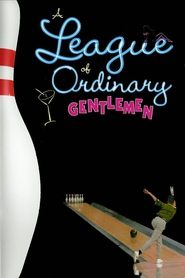
star 5.6African-American documentary filmmaker Marlon Riggs was working on this final film as he died from AIDS-related complications in 1994; he addresses the camera from his hospital bed in several scenes. The film directly addresses sexism and homophobia within the black community, with snippets of misogynistic and anti-gay slurs from popular hip-hop songs juxtaposed with interviews with African-American intellectuals and political theorists, including Cornel West, bell hooks and Angela Davis.A League of Ordinary Gentlemen
2004
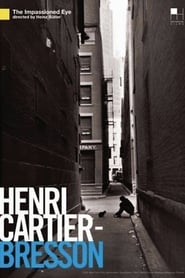
star 6.3Filmmaker Christopher Browne documents the mission of a group of middle-aged bowlers as they attempt to revitalize the sport and get the television-watching public interested in it again.Henri Cartier-Bresson: The Impassioned Eye
2003
star 6Heinz Bütler interviews Henri Cartier-Bresson (1908-2004) late in life. Cartier-Bresson pulls out photographs, comments briefly, and holds them up to Bütler's camera. A few others share observations, including Isabelle Huppert, Arthur Miller, and Josef Koudelka. Cartier-Bresson talks about his travels, including Mexico in the 1930s, imprisonment during World War II, being with Gandhi moments before his assassination, and returning to sketching late in life. He shows us examples. He talks about becoming and being a photographer, about composition, and about some of his secrets to capture the moment.9/11: Phone Calls from the Towers
2009
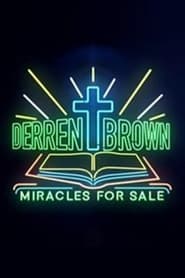
star 7.6Trapped in The Twin Towers on September 11th, thousands of ordinary people struggled to make contact with the outside world. Many knew that time was ticking away. These recorded messages and private calls are the most powerful legacy to the families left behind. Often full of love and dignity they depict humanity at its best and most resourceful in the face of evil.Derren Brown: Miracles for Sale
2011
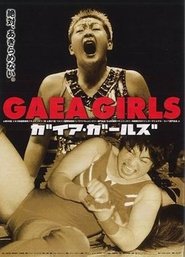
star 7.8A feature length program about the controversial practice of faith healing. Derren Brown attempts to turn a member of the British public into a 'faith healer' and to convincingly give a faith healing show to church goers in Texas.Gaea Girls
2000
Gaea Girls
2000
star 6.4This fascinating documentary is based around the Japanese wrestling organisation Gaea's rural training camp, and traces, in the main, the careers of four hopefuls. In charge are two magnificent specimens, the butch champion Chigusa Nagayo, still venting her hurt at the hands of her army father as she tries to whip her surrogate daughters through the pain and commitment barriers; and her sophisticated and slightly menacing Chairman. It's a gruelling, physical film, as you would expect, but the makers don't make heavy weather of it. And it certainly disposes of any idea that the game is faked.Speaking of Buñuel
2000
Speaking of Buñuel
2000
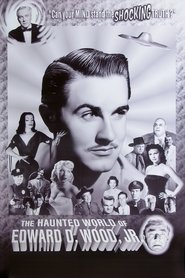
star 5.9Surrealist master Luis Buñuel is a towering figure in the world of cinema history, directing such groundbreaking works as Un Chien Andalou, Exterminating Angels, and That Obscure Object of Desire, yet his personal life was clouded in myth and paradox. Though sexually diffident, he frequently worked in the erotic drama genre; though personally quite conservative, his films are florid, flamboyant, and utterly bizarre.The Haunted World of Edward D. Wood, Jr.
1996
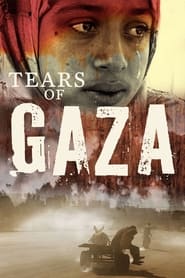
star 7.6Often called the worst director in the history of cinema, Ed Wood is nevertheless a beloved figure among cult-film aficionados for his oddball productions. This documentary takes a look back at Wood's unique career at the margins of 1950s Hollywood, speaking to those who loved him and hated him. Bela Lugosi Jr. discusses his father's work in the abysmal "Plan 9 From Outer Space," while a Baptist reverend recalls how he was tricked into financing the film.Tears of Gaza
2010
Tears of Gaza
2010
star 6.5In a rough style, by way of unique footage, the brutal consequences of modern wars are exposed. The film also depicts the ability of women and children to handle their everyday life after a dramatic war experience. Many of them live in tents or in ruins without walls or roofs. They are all in need of money, food, water and electricity. Others have lost family members, or are left with seriously injured children. Can war solve conflicts or create peace? The film follows three children through the war and the period after the ceasefire.The Beatles at Shea Stadium
1977
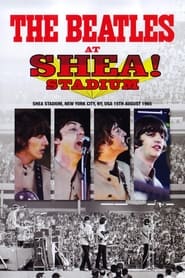
star 7.7The Beatles at Shea Stadium is a fifty-minute-long documentary of the Beatles' 1965 concert at Shea Stadium in New York, the highlight of the group's 1965 tour.Katt Williams: 9 Lives
2010
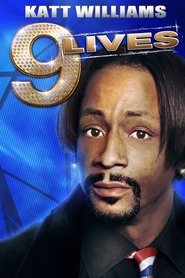
star 7From Lord Have Mercy to A Pimp Named Slickback, original comedy freak Katt Williams has made his mark inhabiting a hustler's gallery of fast-and-loose personae. This real-deal documentary tracks the actor's rise from young stand-up to BET staple. Along with never-seen footage from early stand-up performances and backstage glimpses of Williams at work, the film includes interviews with Jeremy Piven, Damon Wayans, Snoop Dogg and Kathy Griffin.Lord Don't Slow Me Down
2007
star 7.6What happens when a film maker follows one of the world's biggest bands on a year long world tour? What happens when the film maker is granted unique access to that band, is present for the ups and downs, the moments of greatness and the periods of the same interview in 10 different languages in as many days? What happens when that band is Oasis, traveling across 26 countries on their biggest world tour to date playing to a total of over 2 million people?Just Do It: A Tale of Modern-day Outlaws
2011
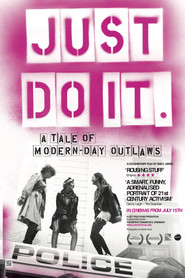
star 5.5The world of environmental direct action has been a secretive one, until now. With unprecedented access, Emily James spent over a year embedded in activist groups such as Climate Camp and Plane Stupid, documenting their clandestine activities. Torpedoing the tired cliches of the environmental movement, Just Do It introduces you to a powerful cast of mischievous and inspiring characters who put their bodies in the way. They super-glue themselves to bank trading floors, blockade factories and attack coal power stations en-masse all despite the very real threat of arrest. Their adventures will entertain, illuminate and inspire.Room
2005
Room
2005
star 3.9A Texan begins a cross-country journey in hope of finding the empty loft she keeps seeing in visions.This Is the Zodiac Speaking
2008
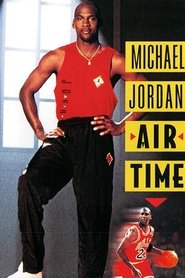
star 6A documentary featuring interviews with the people involved with the Zodiac killings, covering every aspect of the investigation, including the original investigators and surviving victims.Michael Jordan: Air Time
1993
star 6.6"Michael Jordan: Air Time" documents Jordan and the Chicago Bulls' 1991-92 season, including Jordan dealing with his friend and rival Magic Johnson's retirement announcement, gambling allegations, talk of the team possibly breaking the long-in-place season win record with 70 victories, filming a music video with Michael Jackson, and other obstacles throughout the course of the year. The video follows this with the "Dream Team" (Jordan and his fellow NBA stars) gaining worldwide attention as they partake and dominate in the 1992 Summer Olympics in Barcelona, and concludes with the Bulls' championship ring ceremony in the fall of '92Motown 25: Yesterday, Today, Forever
1983
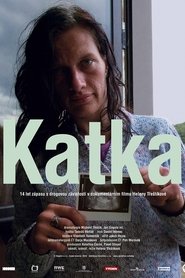
star 8.5Television special taped before a live studio audience at the Pasadena Civic Auditorium in Pasadena, California on March 25, 1983, and broadcast on NBC on May 16. Highlights include Michael Jackson's performance of "Billie Jean", a Temptations/Four Tops "battle of the bands", Marvin Gaye's inspired speech about black music history and his memorable performance of "What's Going On", and a Jackson 5 reunion. This performance is noted for Michael Jackson debuting his signature moonwalk.Katka
2010
Katka
2010
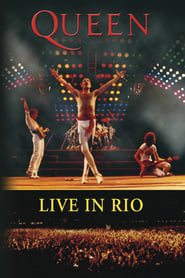
star 6.4“You bet on someone in the beginning of the process and then you wait and see what life does with them.” This is how Czech director Helena Trestikova explains her long-term documentaries. Following on from the European Film Academy Award winning RENE (2008), Trestikova brings us KATKA – 14 years in the life of a drug addict. KATKA is an extraordinarily raw and uncensored character portrait of a troubled young woman living on the edge of human existence, desperately searching for love and salvation. Will she find it in the rehab? Will she find it in the arms of the man she loves? Or in the first cry of her long-desired baby? Tagging along with her through the back streets and squalors of Prague, Trestikova gets deep under the skin of a person most of us would cross the road to avoid, and shows us Katka’s profoundly human face. You might be angry with Katka, or your heart may go out to her. One thing is certain – you will never forget her.Queen: Live In Rio
1985
Queen: Live In Rio
1985
star 8.5British rock's greatest entertainers play to more than 300,000 people in Rio, Brazil, headlining the first Rock in Rio festival in January 1985.