Top Rated Documentary Movies on Pantaflix - Page 356
All Services
Free Services
 Netflix
 Amazon Prime Video
 Apple iTunes
 Apple TV Plus
 Disney Plus
 Google Play Movies
 Paramount Plus
 Hulu
Hulu
 HBO Max
 YouTube
 fuboTV
 Peacock
 Peacock Premium
 Amazon Video
 The Roku Channel
 AMC+
AMC on Demand
AMC+
AMC on Demand
 Kocowa
 Hoopla
 The CW
 Vudu
Vudu
 Starz
Starz
 Showtime
 PBS
PBS
 Pantaflix
 FXNow
FXNow
 Tubi TV
 Kanopy
 Comedy Central
 Crunchyroll
 Microsoft Store
 Redbox
 Sun Nxt
 ABC
ABC
 DIRECTV
 Crackle
 Fandor
 Plex
Plex
Netflix
Amazon Prime Video
Apple iTunes
Apple TV Plus
Disney Plus
Google Play Movies
Paramount Plus
Hulu
HBO Max
YouTube
fuboTV
Peacock
Peacock Premium
Amazon Video
The Roku Channel
AMC+
AMC on Demand
Kocowa
Hoopla
The CW
Vudu
Starz
Showtime
PBS
Pantaflix
FXNow
Tubi TV
Kanopy
Comedy Central
Crunchyroll
Microsoft Store
Redbox
Sun Nxt
ABC
DIRECTV
Crackle
Fandor
Plex

Freestyle: The Art of Rhyme
2000
star 6.9From neighborhood ciphers to the most notorious MC battles, "Freestyle: the Art of Rhyme" captures the electrifying energy of improvisational hip-hop--the rarely recorded art form of rhyming spontaneously. Like preachers and jazz solos, freestyles exist only in the moment, a modern-day incarnation of the African-American storytelling tradition. Shot over a period of more than seven years, it is already an underground cult film in the hip-hop world. The film systematically debunks the false image put out by record companies that hip-hop culture is violent or money-obsessed. Instead, it lets real hip-hop artists, known and unknown, weave their story out of a passionate mix of language, politics, and spirituality.Reel Bad Arabs: How Hollywood Vilifies a People
2006
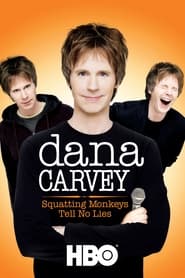
star 5.8This documentary dissects a slanderous aspect of cinematic history that has run virtually unchallenged form the earliest days of silent film to today's biggest Hollywood blockbusters. The film explores a long line of degrading images of Arabs--from Bedouin bandits and submissive maidens to sinister sheikhs and gun-wielding "terrorists"--along the way offering devastating insights into the origin of these stereotypic images, their development at key points in US history, and why they matter so much today.Dana Carvey: Squatting Monkeys Tell No Lies
2008
star 6.3As always, Carvey never crosses the line into mean-spiritedness, but easily glides in and out of every impression & expression, reminding us of the huge talent we came to know and love before he left the scene due to his heart condition. It's a bittersweet irony that Dana Carvey is one comic who is ALL heart...I Am
2011
I Am
2011
star 6.5I Am is a 2011 Indian anthology film by Onir. It consists of four short films: "Omar", "Afia", "Abhimanyu", and "Megha". Each film shares the common theme of fear and each is also based on real life stories. The film was financed by donations from more than 400 different people around the world, many of whom donated through social networking sites like Facebook. There are four stories but the characters are interwoven with each story. "Abhimanyu" is based on child abuse, "Omar" on gay rights, "Megha" is about Kashmiri Pandits and "Afia" deals with sperm donation. I Am was released with subtitles in all regions as six different languages are spoken in the film: Hindi, English, Kannada, Marathi, Bengali and Kashmiri.Breaking and Entering
2011
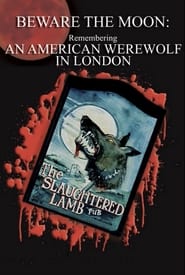
star 6.2The Guinness World of Records contains the most bizarre human achievements imaginable. But who are the crazy people behind the feats? From the grape catchers, to the hula hoopers and the ‘jogglers’, this humorous, but strikingly insightful documentary introduces us to the colourful characters who devote their lives to the oddest frontiers of human excellence. A delightfully eccentric human odyssey that is not to be missed.Beware the Moon: Remembering 'An American Werewolf in London'
2009
star 6.7Host Paul Davis takes a trip through some of the iconic backdrops of John Landis' 1981 werewolf classic An American Werewolf In London. The original cast and crew tell the story of how the film was made over a quarter of a century ago featuring rare footage and never before seen photos.Homo sapiens
2005
Homo sapiens
2005
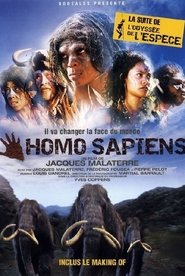
star 7.9Two hundred and fifty thousand years ago, the first direct representative of our species appeared on earth: Homo Sapiens... From 400,000 to 20,000 BC, we follow the destiny of Homo Erectus, Neanderthal and Sapiens. We will thus discover the appearance of language, art, cults, agriculture, and breeding.Pas vu, pas pris
1998
Pas vu, pas pris
1998
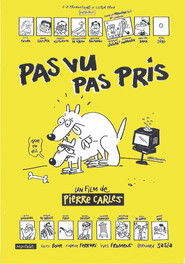
star 7.4"Pas vu, pas pris" starts with a subject filmed 2 years ago ; ordered then forbidden to broadcasting by Canal + : it was "Pas vu à la télé". Bernard Benyamin, Henri de Virieux, Patrick de Carolis, Anne Sinclair, Charles Villeneuve (amongst others) appear before the candid camera of Pierre Carles, for once subjected to an investigation that concerns their profession. After proclaiming that there is no taboo subject on television, they discover a pirate document showing Étienne Moujeotte and François Léotard in a business discussion about the destinies of TF1. Question asked : would they have agreed to broadcast this document and if not, why not ? The investigation itself is objectively searching : anything can be said on TV except one thing, the more or less close collusion of journalists and the political powers. Pierre Carles gives us a sharp reflection on the scope of this "fourth power" that the media have become, and on the compromises of those who are its masters.Bazaar Bizarre: The Strange Case of Serial Killer Bob Berdella
2004
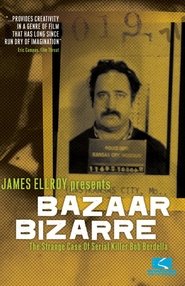
star 3.5In 1988, Chris Bryson was found running down a Kansas City street naked, beaten, and bloody wearing nothing but a dog collar and a leash. He told police about Bob Berdella, a local business man and how Berdella had caputed him, held him hostage, raped him, tortured him and photographed him over several days. Police later arrested Berdella and searched his home where they found several hundred polaroid photographs, a detailed torture log, envelopes of human teeth and a human skull. It was soon discovered that Berdella had murdered 6 young men in his home after drugging them and performing his sick acts of sexual torture. Some lived the horrors for only a few days, one for 6 weeks. After death Berdella would cut up the bodies with an electric chain saw and a bone knife, place the body parts in empty dog food bags for trash collection on Monday. Although he denied this, it is believed that Berdella used organs of the victims as in food dishes he would serve at his shop.Regretters
2010
Regretters
2010
star 5.3Two men in their 60s meet for the first time and discuss their respective sex changes, and subsequent reversals.The Human Experience
2008
The Human Experience
2008
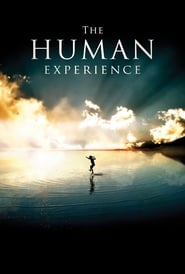
star 6.3The story of a band of brothers who travel the world in search of the answers to the burning questions: Who am I? Who is Man? Why do we search for meaning? Their journey brings them into the middle of the lives of the homeless on the streets of New York City, the orphans and disabled children of Peru, and the abandoned lepers in the forests of Ghana, Africa. What the young men discover changes them forever. Through one on one interviews and real life encounters, the brothers are awakened to the beauty of the human person and the resilience of the human spirit.Charles Manson Superstar
1989
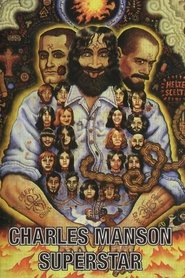
star 5.2For forty years, Charles Manson has survived most of his life in what he calls 'the hallways of the all ways,' the reform schools, jails and prisons that have been his home and tomb. His thought was born in the hole of solitary confinement, apart from time and beyond the grasp of society. In his cell, he created his own world and speaks his own language: he has concluded that there is only the mind. From convincing his followers to move into the desert to train for the apocalypse, to leading a murderous crew through a string of devilish murders, you will see and hear from Manson himself of how he created a preconceived terror based on his philosophy of life. Manson claims that the so-called 'straight' world outside of prison is but an inverted reflection of the underworld in which he has lived. To him, the reality that presidents and law-abiding citizens accept begins in the hermetic alternate universe of criminals, cons and outlaws.Les 4 saisons d'Espigoule
1999
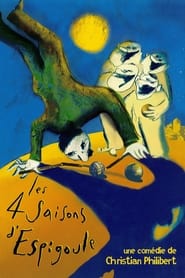
star 7.1Filmmaker Christian Philibert takes a tongue-in-cheek look at his old hometown in this mock-documentary about a small French community and the people who live there. In Les 4 Saisons d'Espigoule, Philibert returns to the town where he grew up (and left when he was 25) to film the residents for a year. In addition to capturing Espigoule's annual Goat Rodeo and New Year's Eve costumes, the audience gets an inside look at the backbone of the local economy (sheep herding) and a night of big excitement (a bingo match). We also meet a few of the locals, who show off their talents (painting, classical piano, imitating Liza Minnelli). While scripted in advance by Philibert, the film was indeed shot in his hometown, and the "actors" playing the citizens of Espigoule actually do live there.The Exodus Decoded
2006
The Exodus Decoded
2006
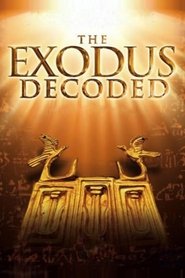
star 6.9Exodus Decoded is a documentary created by Jewish Canadian filmmaker Simcha Jacobovici, in which new evidence in favor of the historicity of the Biblical Exodus is explored.In the Pit
2006
In the Pit
2006
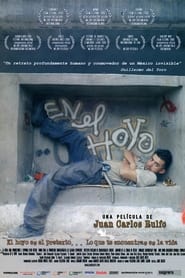
star 5.9A portrait of the construction workers involved in building the second deck of Mexico City's Periferico freeway.IMAX Dolphins and Whales: Tribes of the Ocean
2008
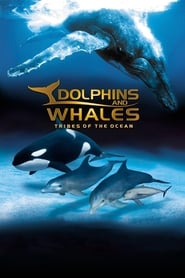
star 6.5This documentary goes to coral reefs of the Bahamas and the waters of the Kingdom of Tonga for a close encounter with the surviving tribes of the ocean: wild dolphins and belugas, the love of a Humpback mother for her newborn calf, the singing Humpback males, an orca the mighty King of the ocean, and the gentle manatee. Little-known aspects of these creatures capable of sophisticated communication and social interaction. Documents the life of these graceful, majestic yet endangered sea creaturesMy Enemy's Enemy
2007
My Enemy's Enemy
2007
star 7.1Reveals an alternate history of the post-war world. This is a version of history where, in contrast to what we are all told, fascist ideology prevailed. The story of Klaus Barbie, Nazi torturer, American spy, tool of repressive right-wing regimes, is symbolic of the real relationship that the "Western" governments had with fascism and makes us see the world as it is today - and the politicians that inhabit it - in a different way.When Boys Fly
2002
When Boys Fly
2002
star 5.2Non-fiction account of three men as they find their place in the Circuit Party Scene.Married to the Eiffel Tower
2008
star 5.2Imagine a world in which people seem hostile while inanimate objects appear friendly – even affectionate. Imagine dreading the touch of another human but longing for a passionate encounter with a large public structure. This is the strange world of the "objectum sexual"– a group of people, mainly women, whose intimate lives revolve around objects with which they say they share romantic and sexual love. Erika is married to the Eiffel Tower. She has a passion for inanimate objects, and her mission is to fight the stigma surrounding the disorder and create a global network of sufferers - like Amy, in love with a church organ, and Eija Riita, who married the Berlin Wall.Still Bill
2010
Still Bill
2010
star 7.1STILL BILL is an intimate portrait of soul legend Bill Withers, best known for his classics “Ain’t No Sunshine,” “Lean On Me,” “Lovely Day,” “Grandma’s Hands,” and “Just the Two of Us.” With his soulful delivery and warm, heartfelt sincerity, Withers has written the songs that have – and always will – resonate deeply within the fabric of our times. Filmmakers Damani Baker and Alex Vlack follow Withers and offer a unique and rare look inside the world of this fascinating man. Through concert footage, journeys to his birthplace, interviews with music legends, his family and closest friends, STILL BILL presents the story of an artist who has written some of the most beloved songs in our time and who truly understands the heart and soul of a man.