Top Rated Documentary Movies on Pantaflix - Page 390
All Services
Free Services
 Netflix
 Amazon Prime Video
 Apple iTunes
 Apple TV Plus
 Disney Plus
 Google Play Movies
 Paramount Plus
 Hulu
Hulu
 HBO Max
 YouTube
 fuboTV
 Peacock
 Peacock Premium
 Amazon Video
 The Roku Channel
 AMC+
AMC on Demand
AMC+
AMC on Demand
 Kocowa
 Hoopla
 The CW
 Vudu
Vudu
 Starz
Starz
 Showtime
 PBS
PBS
 Pantaflix
 FXNow
FXNow
 Tubi TV
 Kanopy
 Comedy Central
 Crunchyroll
 Microsoft Store
 Redbox
 Sun Nxt
 ABC
ABC
 DIRECTV
 Crackle
 Fandor
 Plex
Plex
Netflix
Amazon Prime Video
Apple iTunes
Apple TV Plus
Disney Plus
Google Play Movies
Paramount Plus
Hulu
HBO Max
YouTube
fuboTV
Peacock
Peacock Premium
Amazon Video
The Roku Channel
AMC+
AMC on Demand
Kocowa
Hoopla
The CW
Vudu
Starz
Showtime
PBS
Pantaflix
FXNow
Tubi TV
Kanopy
Comedy Central
Crunchyroll
Microsoft Store
Redbox
Sun Nxt
ABC
DIRECTV
Crackle
Fandor
Plex

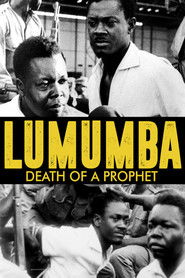
Lumumba: Death of a Prophet
1991
star 6.7Documentary about African political leader Patrice Lumumba, who was Prime Minister of Zaire (now Congo) when he was assassinated in 1961.Marcello Mastroianni: I Remember
1997
star 7.7In 1996, Marcello Mastroianni talks about life as an actor. It's an anecdotal and philosophical memoir, moving from topic to topic, fully conscious of a man "of a certain age" looking back. He tells stories about Fellini and De Sica's direction, of using irony in performances, of constantly working (an actor tries to find himself in characters). He's diffident about prizes, celebrates Rome and Paris, salutes Naples and its people. He answers the question, why make bad films; recalls his father and grandfather, carpenters, his mother, deaf in her old age, and his brother, a film editor; he's modest about his looks. In repose, time's swift passage holds Mastroianni inward gaze.The State of the World
2007
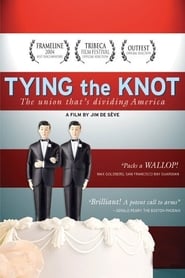
star 5.3Six directors, six independent films, six visions on the state of the world. Each carrying a unique and personal interpretation of a specific experience, their crossover creates new space for a dynamic and radical inquisitive reflection.Tying the Knot
2004
Tying the Knot
2004
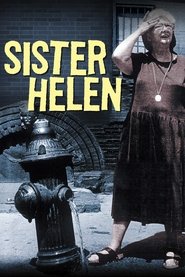
star 5.9A look at the debate over same sex marriage in the USA. The reasons behind it are illustrated with real life couples that have run afoul of current laws despite varying levels of planning. Also, the reasons against it are debunked by proponents.Sister Helen
2002
Sister Helen
2002
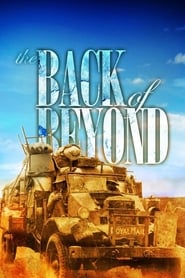
star 6.5In this emotionally compelling documentary, Sister Helen opens a private home for recovering addicts and alcoholics in the South Bronx after the death of her husband and two sons. The film's fly-on-the-wall technique succeeds in capturing the day-to-day existence of Sister Helen and the various residents of the home.The Back of Beyond
1954
The Back of Beyond
1954
star 6.2This 1954 classic follows an outback mailman as he travels along the Birdsville Track.Spectator
1970
Spectator
1970
star 6Spectator is one of the early masterpieces by Zwartjes. The film explicitly shows one of Frans Zwartjes’ main themes: the relationship between husband and wife. It is a relationship that is strongly marked by power and domination, sexual attraction and repulsion. It manifests itself in humiliation and abuse (such Pentimento), but also in cool eroticism or natural physicality. Zwartjes’ goal is not to explain or designate this relationship. Rather it is the subject that Zwartjes uses to describe his world. In an article on Zwartjes, filmmaker and student George Schouten compares Zwartjes to the Italian writer Alberto Moravia. For both, sex is their way of dealing with reality. It is the subject by which they define their world. And for Zwartjes, it is also the subject with which he can display and develop his cinematic talent. (eyefilm.nl)Method to the Madness of Jerry Lewis
2011
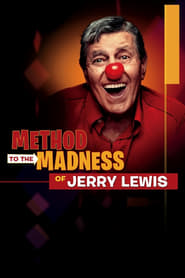
star 5.6It will surprise few to discover that star of stage and screen Jerry Lewis has sought to amuse others since he was five years old. Since that early age, audiences split their sides watching his wacky antics, whilst wannabe comics aspired to his prolific career, from his solo work to his double act with Dean Martin. Indeed, many of his famous fans share stories of affection and admiration for the now 86-year-old performer and filmmaker in Gregg Barson’s documentary. Steven Spielberg, Quentin Tarantino, Eddie Murphy and Jerry Seinfeld are among those waxing lyrical about Lewis’ particular brand of genius, and his place in the annals of history. Including a cavalcade of hilarious clips from eight decades in the spotlight, Method to the Madness of Jerry Lewis examines the icon and his influence, and is essential viewing for aficionados of the man and his legacy.Nico Icon
1995
Nico Icon
1995
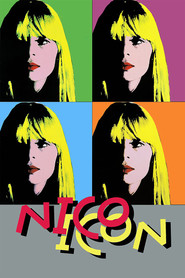
star 7.5A look into the many lives of Christa Päffgen, otherwise known as Nico; from cutie German mädchen to the first of the supermodels, to glamorous diva of the Velvet Underground, to cult item, junkie and hag. Many faces for the same woman, whom, you realize, just couldn't bring herself to care enough to live.Shepard & Dark
2012
Shepard & Dark
2012
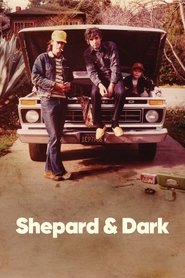
star 5.5An indelible portrait of the complex relationship between playwright and actor Sam Shepard and his close friend Johnny Dark as they prepare forty years of their correspondence for publication, stirring up old memories both good and bad.Handsworth Songs
1986
Handsworth Songs
1986
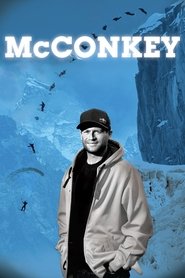
star 5.5The Black Audio Film Collective’s acclaimed essay film, 'Handsworth Songs', examines the 1985 race riots in Handsworth and London. Interweaving archival photographs, newsreel clips, and home movie footage, the film is both an exploration of documentary aesthetics and a broad meditation social and cultural oppression through Britain’s intertwined narratives of racism and economic decline.McConkey
2013
McConkey
2013
star 7“McConkey,” a 90-minute documentary to be released in 2013, is a heartfelt examination of the legacy one athlete left to the progression of his sports, and the path he paved to conquer his dreams. Shane McConkey is revered as the pioneer of freeskiing and ski base jumping, and through his talent and unique outlook on life, he inspired countless lives. In a new film from Red Bull Media House in association with Matchstick Productions, “McConkey” celebrates the life of one of the world’s ultimate innovatorsChanging Landscapes
1964
Changing Landscapes
1964
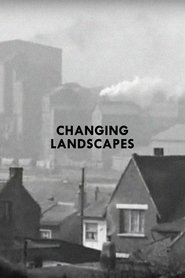
star 7.4A sophisticated and beautifully constructed account of landscape change in and around Paris in the early 1960s. The film raises complex issues about the meaning and experience of modern landscapes and the enigmatic characteristics of features such as canals, pylons and deserted factories. Rohmer also explores the role of landscape within different traditions of modern art and design and refers to specific architects, artists and engineers.Ladies and Gentlemen, Mr. Leonard Cohen
1966
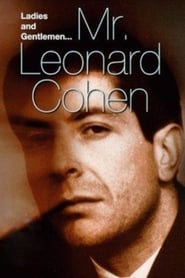
star 7.2A 1964 documentary portrait of Cohen in his pre-musician days as a poet and stand-up comedian.Is It Easy to Be Young?
1986
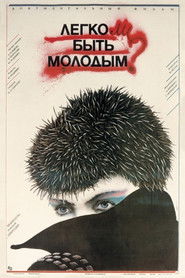
star 4.2Portrayal of a generation of rebellious teenagers growing up under Communist rule in Latvia.The Raw Ones
1965
The Raw Ones
1965
star 3.9Sun-kissed Floridians enjoy volleyball, jumping rope, trampolines, and relaxing in the sun.Félix Mayol Performs "The Trottins' Polka"
1905
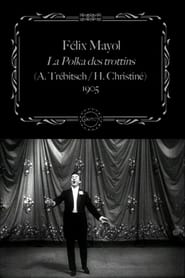
star 5Félix Mayol performs The Trottins Polka (La Polka des Trottins, by A. Trebitsch and H. Christine) in this phonoscene by Alice Guy. This early form of music video was created using a chronophone recording of Mayol, who was then filmed "lip singing". Guy would film phonoscenes of all three major Belle Époque celebrities in France: Polin, Félix Mayol, and Dranem.Eccentric Dance
1902
Eccentric Dance
1902
star 4.7"Danse excentrique" (Gaumont #587) is part of the "Miss Lina Esbrard. Danseuse cosmopolite et serpentine" series of 4 films, and should not be confused with "Danse serpentine" (Gaumont #588, the only extant film in the series), "Danse fantaisiste" (Gaumont #589) or "La Gigue" (Gaumont #590).