Top Rated Documentary Movies on Pantaflix - Page 88
All Services
Free Services
 Netflix
 Amazon Prime Video
 Apple iTunes
 Apple TV Plus
 Disney Plus
 Google Play Movies
 Paramount Plus
 Hulu
Hulu
 HBO Max
 YouTube
 fuboTV
 Peacock
 Peacock Premium
 Amazon Video
 The Roku Channel
 AMC+
AMC on Demand
AMC+
AMC on Demand
 Kocowa
 Hoopla
 The CW
 Vudu
Vudu
 Starz
Starz
 Showtime
 PBS
PBS
 Pantaflix
 FXNow
FXNow
 Tubi TV
 Kanopy
 Comedy Central
 Crunchyroll
 Microsoft Store
 Redbox
 Sun Nxt
 ABC
ABC
 DIRECTV
 Crackle
 Fandor
 Plex
Plex
Netflix
Amazon Prime Video
Apple iTunes
Apple TV Plus
Disney Plus
Google Play Movies
Paramount Plus
Hulu
HBO Max
YouTube
fuboTV
Peacock
Peacock Premium
Amazon Video
The Roku Channel
AMC+
AMC on Demand
Kocowa
Hoopla
The CW
Vudu
Starz
Showtime
PBS
Pantaflix
FXNow
Tubi TV
Kanopy
Comedy Central
Crunchyroll
Microsoft Store
Redbox
Sun Nxt
ABC
DIRECTV
Crackle
Fandor
Plex

Grass Is Greener
2019
Grass Is Greener
2019
star 6.6Weed. Marijuana. Grass. Pot. Whatever you prefer to call it, America’s relationship with cannabis is a complicated one. In his directorial debut, hip hop pioneer Fab 5 Freddy presents an unparalleled look at the racially biased history of the war on marijuana. A range of celebrities and experts discuss the plant’s influence on music and popular culture, and the devastating impact its criminalization has had on Black and Latino communities. As more and more states join the push to legalize marijuana, this documentary dives deep into the glaring racial disparities in the growing cannabis market.Love, Gilda
2018
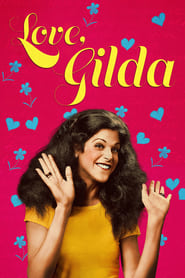
Love, Gilda
2018
star 7.2Diaries, audiotapes, videotapes and testimonials from friends and colleagues offer insight into the life and career of Gilda Radner -- the beloved comic and actress who became an icon on Saturday Night Live.Becoming Cary Grant
2017
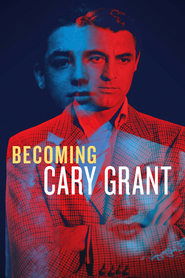
Becoming Cary Grant
2017
star 6.6For the first time one of Hollywood's greatest stars tells his own story, in his own words. From a childhood of poverty to global fame, Cary Grant, the ultimate self-made star, explores his own screen image and what it took to create it.Jim: The James Foley Story
2016
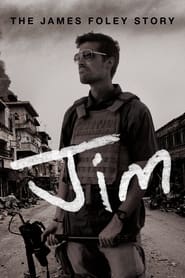
star 7.4In August, 2014, a video of the public execution of American photojournalist James Foley rippled across the globe. Foley wore an orange jumpsuit as he knelt beside an ISIS militant dressed in black. That image challenged the world to deal with a new face of terror. And it tested one American family. Seen through the lens of filmmaker Brian Oakes, Foley’s close childhood friend, Jim takes us from small-town New England to the adrenaline-fueled front lines of Libya and Syria, where Foley pushed the limits of danger to report on the plight of civilians impacted by war.Champs
2015
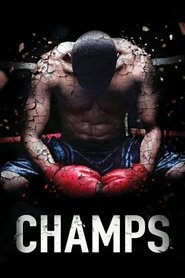
Champs
2015
star 6.5A documentary about the sport of boxing, as seen through the eyes of champions Mike Tyson, Evander Holyfield and Bernard Hopkins.Pantani: The Accidental Death of a Cyclist
2014
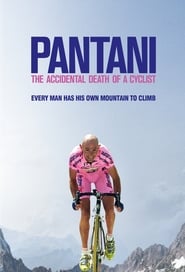
star 6.9In 1998 Marco Pantani, the most flamboyant and popular cyclist of his era, won both the Tour de France and Giro d'Italia, a titanic feat of physical and mental endurance that no rider has repeated since. He was a hero to millions, the saviour of cycling following the doping scandals which threatened to destroy the sport. However, less than six years later, aged just 34, he died alone, in a cheap hotel room, from acute cocaine poisoning. He had been an addict for five years. This is the story of the tragic battles fought by the most important Italian cyclist of his generation; man verses mountain, athlete verses addiction, Marco Pantani verses himself.The Boxing Kangaroo
1895
The Boxing Kangaroo
1895
star 4.7A man and a kangaroo stand up in front of each other with boxing gloves, and simulate a boxing match on a theatre stage.Homework
1989
Homework
1989
star 7.5Young male students at a local Iranian school are asked about their feelings on homework.Kino Eye
1924
Kino Eye
1924
star 6.7This documentary promoting the joys of life in a Soviet village centers on the activities of the Young Pioneers. These children are constantly busy, pasting propaganda posters on walls, distributing hand bills, exhorting all to "buy from the cooperative" as opposed to the Public Sector, promoting temperance, and helping poor widows. Experimental portions of the film, projected in reverse, feature the un-slaughtering of a bull and the un-baking of bread.Casting By
2012
Casting By
2012
star 6.9This essential new documentary pays tribute to the legacy of the late, legendary casting director Marion Dougherty and shines a light on one of the most overlooked and least understood crafts in filmmaking.Junkopia
1981
Junkopia
1981
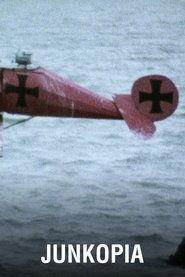
star 5.9Filmed along the Emeryville Mudflats near San Francisco, Junkopia captures a landscape of sculptural installations made from driftwood and discarded materials. Chris Marker, John Chapman, and Frank Simeone transform these ephemeral artworks—set against highways and the distant city—into a quiet meditation on art, decay, and the modern environment.The Private Life of a Cat
1946
star 7.2An intimate study of the life of a domestic cat, taking place over a period of months as she gives birth to a litter of kittens and cares for them as they grow.You've Been Trumped
2012
You've Been Trumped
2012
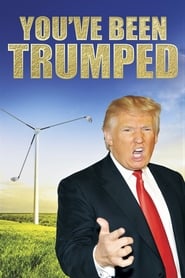
star 6.5In this David and Goliath story for the 21st century, a group of proud Scottish homeowners take on celebrity tycoon Donald Trump as he buys up one of Scotland's last wilderness areas to build a golf resort.Let There Be Light
1946
Let There Be Light
1946
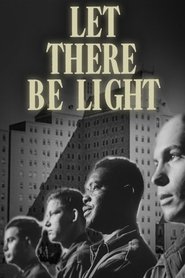
star 7.3The final entry in a trilogy of films produced for the U.S. government by John Huston. Some returning combat veterans suffer scars that are more psychological than physical. This film follows patients and staff during their treatment. It deals with what would now be called PTSD, but at the time was categorised as psychoneurosis or shell-shock. Government officials deemed this 1946 film counterproductive to postwar efforts; it was not shown publicly until 1981.More Brains! A Return to the Living Dead
2011
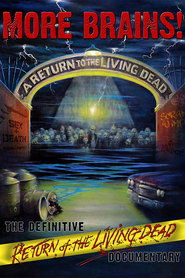
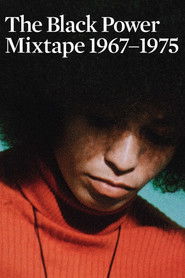
star 7.4Retrospective documentary about the making of the horror cult classic "The Return of the Living Dead."The Black Power Mixtape 1967-1975
2011
star 7.6Examines the evolution of the Black Power Movement in US society from 1967 to 1975. It features footage of the movement shot by Swedish journalists in the United States during that period and includes the appearances of Angela Davis, Bobby Seale, Huey P. Newton, Eldridge Cleaver, and other activists, artists, and leaders central to the movement.Metallica: Cliff 'Em All
1987
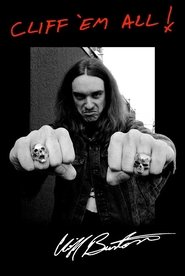
star 7.7Originally released as "The $19.98 Home Vid: Cliff 'Em All," Metallica's first video is a tribute to late original bassist Cliff Burton. James Hetfield describes it as "a compilation of bootleg footage shot by sneaky Metallifux, stuff shot for TV that was never used, but we've held onto, home footage, personal fotos and us drunk. But most important, it's really a look back at the 3-1/2 years that Cliff was with us and includes his best bass solos and the home footage and pix that we feel best capture his unique personality and style." 1987.Transcendent Man
2009
Transcendent Man
2009
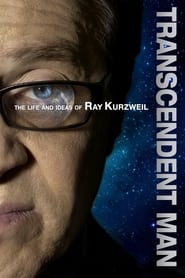
star 6.7The compelling feature-length documentary film, by director Barry Ptolemy, chronicles the life and controversial ideas of luminary Ray Kurzweil. For more than three decades, inventor, futures, and New York Times best-selling author Ray Kurzweil has been one of the most respected and provocative advocates of the role of technology in our future.Anima Mundi
1991
Anima Mundi
1991
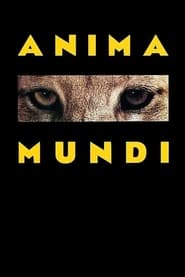
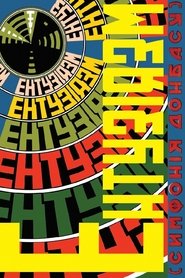
star 6.7Image and music are intertwined in this third collaboration between director Godfrey Reggio and composer Philip Glass. The film was produced to celebrate the World Wildlife Fund's Biological Diversity Campaign. The film combines images of nature with pulsing rhythms in a Microcosmos (1996) meets Koyaanisqatsi (1983) spectacle.Enthusiasm. Symphony of Donbas
1930
star 6.3An audiovisual symphony that delves into the industrial, agrarian, and cultural fabric of the Donbas region during the inaugural Soviet Five Year Plan. It spotlights anti-religious campaigns, propagandistic marches, and the vibrant athletic culture of its time