Top Rated Documentary Movies on Pantaflix - Page 91
All Services
Free Services
 Netflix
 Amazon Prime Video
 Apple iTunes
 Apple TV Plus
 Disney Plus
 Google Play Movies
 Paramount Plus
 Hulu
Hulu
 HBO Max
 YouTube
 fuboTV
 Peacock
 Peacock Premium
 Amazon Video
 The Roku Channel
 AMC+
AMC on Demand
AMC+
AMC on Demand
 Kocowa
 Hoopla
 The CW
 Vudu
Vudu
 Starz
Starz
 Showtime
 PBS
PBS
 Pantaflix
 FXNow
FXNow
 Tubi TV
 Kanopy
 Comedy Central
 Crunchyroll
 Microsoft Store
 Redbox
 Sun Nxt
 ABC
ABC
 DIRECTV
 Crackle
 Fandor
 Plex
Plex
Netflix
Amazon Prime Video
Apple iTunes
Apple TV Plus
Disney Plus
Google Play Movies
Paramount Plus
Hulu
HBO Max
YouTube
fuboTV
Peacock
Peacock Premium
Amazon Video
The Roku Channel
AMC+
AMC on Demand
Kocowa
Hoopla
The CW
Vudu
Starz
Showtime
PBS
Pantaflix
FXNow
Tubi TV
Kanopy
Comedy Central
Crunchyroll
Microsoft Store
Redbox
Sun Nxt
ABC
DIRECTV
Crackle
Fandor
Plex

The Circle
2014
The Circle
2014
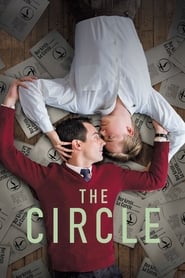
star 6.5A young teacher in Zurich in the 1950s falls in love with a transvestite star but is torn between his bourgeois existence and his commitment to homosexuality. He joins a gay organization that is eventually seen as the pioneer of gay emancipation in Europe.Dear Mr. Watterson
2013
Dear Mr. Watterson
2013
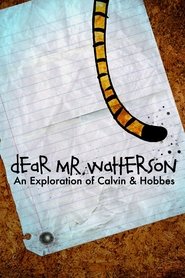
star 6.420 years after Calvin and Hobbes stopped appearing in daily newspapers, filmmaker Joel Allen Schroeder has set out to explore the reasons behind the comic strip's loyal and devoted following.New York Subway
1905
New York Subway
1905
star 5.9The camera platform was on the front of a New York subway train following another train on the same track. Lighting is provided by a specially constructed work car on a parallel track. At the time of filming, the subway was only seven months old, having opened on October 27, 1904. The ride begins at 14th Street (Union Square) following the route of today's east side IRT, and ends at the old Grand Central Station, built by Cornelius Vanderbuilt in 1869. The Grand Central Station in use today was not completed until 1913.The Lovely Month of May
1963
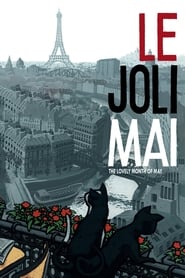
star 8Candid interviews of ordinary people on the meaning of happiness, an often amorphous and inarticulable notion that evokes more basic and fundamentally egalitarian ideals of self-betterment, prosperity, tolerance, economic opportunity, and freedom.JLG/JLG: Self-Portrait in December
1995
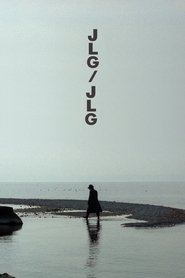
star 6.4Director Jean-Luc Godard reflects in this movie about his place in film history, the interaction of film industry and film as art, as well as the act of creating art.Hungry for Change
2012
Hungry for Change
2012
star 6.7We all want more energy, an ideal body and beautiful younger looking skin... So what is stopping us from getting this? Introducing 'Hungry For Change', the latest 'Food Matters' film. 'Hungry For Change' exposes shocking secrets the diet, weightloss and food industry don't want you to know about. Deceptive strategies designed to keep you craving more and more. Could the foods we are eating actually be keeping us stuck in the diet trap?If a Tree Falls: A Story of the Earth Liberation Front
2011
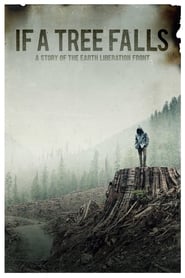
star 6.5Filmmaker Marshall Curry explores the inner workings of the Earth Liberation Front, a revolutionary movement devoted to crippling facilities involved in deforestation, while simultaneously offering a profile of Oregon ELF member Daniel McGowan, who was brought up on terrorism charges for his involvement with the radical group.The Secret Life of Brian
2007
star 7.6A documentary about the making of the controversial Life of Brian and the surrounding accusations of blasphemy.Revenge of the Electric Car
2011
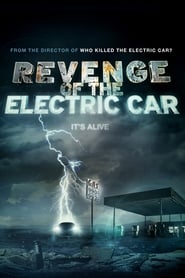
star 7.2A sequel to 2006's Who Killed the Electric Car?, director Chris Paine once again looks at electric vehicles. Where in the last film electric cars were dismissed as uneconomical and unreliable, and were under multiple attacks from government, the auto industry, and from energy companies who didn't want them to succeed, this film chronicles, in the light of new changes in technology, the world economy, and the auto industry itself, the race - from both major car companies like Ford and Nissan, and from new rising upstarts like Tesla - to bring a practical consumer EV to market.Terror in the Aisles
1984
Terror in the Aisles
1984
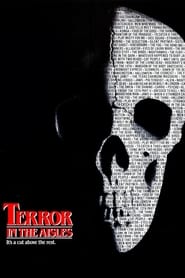
star 6.1A non-stop roller coaster ride through the scariest moments of the greatest terror films of all time.South of the Border
2009
South of the Border
2009
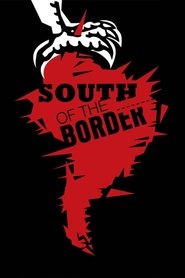
star 5.9A road trip across five countries to explore the social and political movements as well as the mainstream media's misperception of South America while interviewing seven of its elected presidents.Jackie Chan: My Story
1998
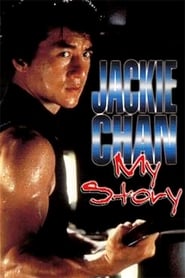
star 6.3Jackie Chan is one of the world's biggest action stars, famed for his wacky sense of humor, remarkable martial arts techniques, and willingness to perform incredible stunts without the use of doubles -- or a net. This video takes a personal look at Chan as he works on screen projects in Hollywood and Beijing and candidly discusses his life and work.Salaam Cinema
1995
Salaam Cinema
1995
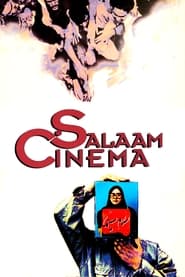
star 6.5Makhmalbaf puts an advertisement in the papers calling for an open casting for his next movie. However when hundreds of people show up, he decides to make a movie about the casting and the screen tests of the would-be actors.A Decade Under the Influence
2003
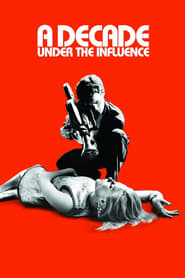
star 7.9A documentary examining the decade of the 1970s as a turning point in American cinema. Some of today's best filmmakers interview the influential directors of that time.Tales from the Script
2009
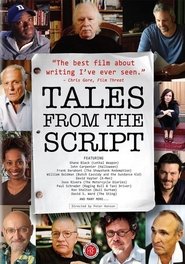
star 6.5Shane Black ("Lethal Weapon"), John Carpenter ("Halloween"), Frank Darabont ("The Shawshank Redemption"), William Goldman ("The Princess Bride"), Paul Schrader ("Taxi Driver"), and dozens of other Hollywood screenwriters share hilarious anecdotes and penetrating insights in "Tales from the Script," the most comprehensive documentary ever made about screenwriting. By analyzing their triumphs and recalling their failures, the participants explain how successful writers develop the skills necessary for toughing out careers in one of the world's most competitive industries. They also reveal the untold stories behind some of the greatest screenplays ever written, describing their adventures with luminaries including Harrison Ford, Stanley Kubrick, Joel Silver, Martin Scorsese, and Steven Spielberg. The film was produced in tandem with the upcoming HarperCollins book of the same name.The Endurance
2000
The Endurance
2000
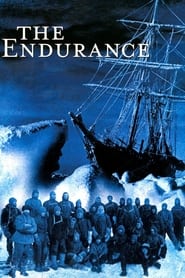
star 6.9Documentary on the Shackleton Antartic expedition. A retelling of Sir Ernest Shackleton's ill-fated expedition to Antarctica in and the crew of his vessel 'The Endurance', which was trapped in the ice floes and frigid open ocean of the Antarctic in 1914. Shackleton decided, with many of his crew injured and weak from exposure and starvation, to take a team of his fittest men and attempt to find help. Setting out in appalling conditions with hopelessly inadequate equipment, they endured all weather and terrain and finally reached safety. Persuading a local team of his confidence that the abandoned team would still be alive, he set out again to find them. After almost 2 years trapped on the ice, all members of the crew were finally rescued.Our Daily Bread
2006
Our Daily Bread
2006
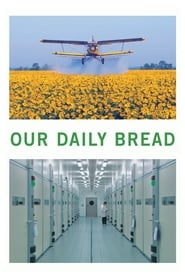
star 7.8Welcome to the world of industrial food production and high-tech farming! To the rhythm of conveyor belts and immense machines, the film looks without commenting into the places where food is produced in Europe: monumental spaces, surreal landscapes and bizarre sounds - a cool, industrial environment which leaves little space for individualism.Ten Minutes Older: The Trumpet
2002
star 6.7Ten Minutes Older is a 2002 film project consisting of two compilation feature films entitled The Trumpet and The Cello. The project was conceived by the producer Nicolas McClintock as a reflection on the theme of time at the turn of the Millennium. Fifteen celebrated film-makers were invited to create their own vision of what time means in ten minutes of film.The Who: The Kids Are Alright
1979
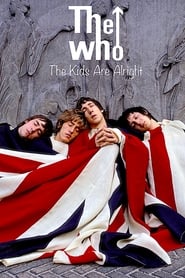
star 7.3Through concert performances and interviews, this film offers us a comprehensive look at the British pioneer rock group, The Who. It captures their zany craziness and outrageous antics from the initial formation of the group in 1964 to 1978. It notably features the band's last performance with long-term drummer Keith Moon, filmed at Shepperton Studios in May 1978, three months before his death.The War on Democracy
2007
The War on Democracy
2007
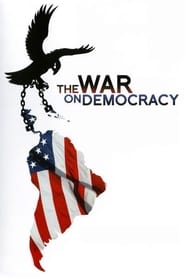
star 7.5Set both in Latin America and the United States, the film explores the historic and current relationship of Washington with countries such as Venezuela, Bolivia and Chile. Pilger says that the film "...tells a universal story... analysing and revealing, through vivid testimony, the story of great power behind its venerable myths. It allows us to understand the true nature of the so-called "war on terror". According to Pilger, the film’s message is that the greed and power of empire is not invincible and that people power is always the "seed beneath the snow".