New Documentary Movies on Apple iTunes - Page 427
All Services
Free Services
 Netflix
 Amazon Prime Video
 Apple iTunes
 Apple TV Plus
 Disney Plus
 Google Play Movies
 Paramount Plus
 Hulu
Hulu
 HBO Max
 YouTube
 fuboTV
 Peacock
 Peacock Premium
 Amazon Video
 The Roku Channel
 AMC+
AMC on Demand
AMC+
AMC on Demand
 Kocowa
 Hoopla
 The CW
 Vudu
Vudu
 Starz
Starz
 Showtime
 PBS
PBS
 Pantaflix
 FXNow
FXNow
 Tubi TV
 Kanopy
 Comedy Central
 Crunchyroll
 Microsoft Store
 Redbox
 Sun Nxt
 ABC
ABC
 DIRECTV
 Crackle
 Fandor
 Plex
Plex
Netflix
Amazon Prime Video
Apple iTunes
Apple TV Plus
Disney Plus
Google Play Movies
Paramount Plus
Hulu
HBO Max
YouTube
fuboTV
Peacock
Peacock Premium
Amazon Video
The Roku Channel
AMC+
AMC on Demand
Kocowa
Hoopla
The CW
Vudu
Starz
Showtime
PBS
Pantaflix
FXNow
Tubi TV
Kanopy
Comedy Central
Crunchyroll
Microsoft Store
Redbox
Sun Nxt
ABC
DIRECTV
Crackle
Fandor
Plex

Coming to Light
2000
Coming to Light
2000
Coming to Light interweaves the story of Edward S. Curtis (1868-1952) life with the results of his work, and through it, we see the world he sought to preserve. Curtis was a driven, charismatic, obsessive artist, a pioneer photographer who set out in 1900 to document traditional Indian life.Googoosh: Iran's Daughter
2000
An impressionist feature-length documentary film, Googoosh: Iran's Daughter, aims to locate the "silenced" legendary Iranian pop singer/actress in the midst of Iran's social, political, and cultural transformation.Metallica and San Francisco Symphony: S&M
1999
star 8.6Michael Kamen conducts the San Francisco Symphony Orchestra in support of metal rockers Metallica in this 1999 concert performance.Metallica: Making of S&M
1999
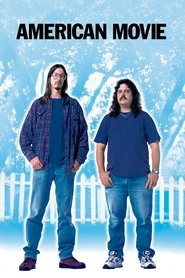
Documentary featuring a look into the making of Metallica: S&M (1999), including behind the scenes footage, interviews with Metallica, Michael Kamen, the SF Symphony, and much more.American Movie
1999
American Movie
1999
star 7.6American Movie documents the story of filmmaker Mark Borchardt, his mission, and his dream. Spanning over two years of intense struggle with his film, his family, financial decline, and spiritual crisis, American Movie is a portrayal of ambition, obsession, excess, and one man's quest for the American Dream.Pitch People
1999
Pitch People
1999
star 10The art of the "pitch" and its role in society, as told by many of the pitch industry's greatest salesmen, including Arnold Morris, Sandy Mason, Lester Morris, Wally Nash and Ed McMahon as well as a look at the Popeil family.Beyond the Mat
1999
Beyond the Mat
1999
star 7.3A heartfelt documentary focusing on the day-to-day lives of professional wrestlers, some on the rise, some on the wane, and others fighting for their lives.Classic Albums: Phil Collins - Face Value
1999
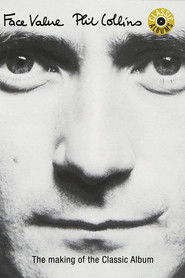
star 6.9A rare and welcome insight into Phil Collins' prodigious musical talent and the fascinating story of his first solo record. Collins first enjoyed international success as the drummer of Genesis and then as lead singer after Peter Gabriel left the band. In 1981, however, Face Value launched him as a solo artist and remains, in many ways, his most exciting and unusual music offering. Face Value was immediately a worldwide hit, entering the British charts at Number 1, spending almost six years in the Top 75, and selling in excess of 12 million copies. The album went on to make the U.S. Top 10, earning a gold record. This documentary includes several previously unseen performances, as well as rare home movies, unique photographs and documents from Phil's own private archives, and insights into the music from an eclectic range of musicians who worked on the album.Classic Albums: The Who - Who's Next
1999
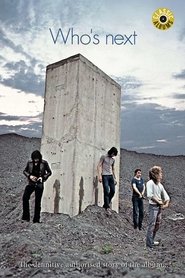
star 7.1In this 1999 documentary, Pete Townshend, Roger Daltrey and John Entwistle discuss the making of what many consider the Who's greatest testament to Townshend's songwriting talent: their classic album "Who's Next." Others close to the group weigh in with insights about the late Keith Moon's importance to the band. The retrospective also features unseen performances of tunes from the platter, including "Won't Get Fooled Again" and "Baba O'Riley."Classic Albums: Steely Dan - Aja
1999
star 6.5Aja was the biggest selling album of Steely Dan's illustrious career. It was the first album by Donald Fagen and Walter Becker as a duo. Fagen and Becker recall the history of the album, along with Peg, Deacon Blues and Josie. Michael McDonald, later of the Doobie Brothers did guest backing vocals on Aja, the late British musician Ian Dury, record producer Gary Katz and the legendary session musicians who worked on Aja also contribute. This is a vivd portrait of a 70's record that is still as fresh and as memorable more than two decades after its release.The Hand Behind the Mouse: The Ub Iwerks Story
1999
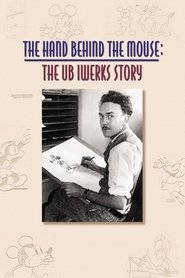
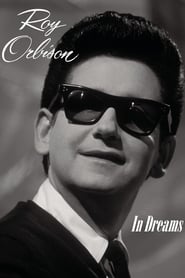
star 7.5There's not a person in the world who wouldn't recognize Mickey Mouse. But until now, not many knew the man who originally gave shape, movement and personality to the world's most beloved icon. "The Hand Behind the Mouse: The Ub Iwerks Story" takes you behind the scenes to meet Walt Disney's best friend and chief animator.In Dreams: The Roy Orbison Story
1999
star 5.8Roy Orbison - In Dreams is the ultimate exclusive music documentary of the life of Roy Orbison. It provides in-depth insights into his legendary career with classic performances, personal home movies and photos, location footage and interviews with the great and the humble that he touched with his music.David Cross: The Pride Is Back
1999
star 6.9Taped in July before a live audience at the Showbox Theatre in Seattle, Cross pushes his brash humor to new extremes, offering uncensored remarks on the Virgin Mary, trendy advertising, violence in the media, airports and pornography, Dr. Kevorkian, organ donations, High Times magazine and religious fundamentalists.Grass
1999
Grass
1999
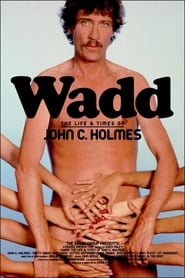
star 6.5Marijuana is the most controversial drug of the 20th Century. Smoked by generations to little discernible ill effect, it continues to be reviled by many governments on Earth. In this Genie Award-winning documentary veteran Canadian director Ron Mann and narrator Woody Harrelson mix humour and historical footage together to recount how the United States has demonized a relatively harmless drug.Wadd: The Life & Times of John C. Holmes
1999
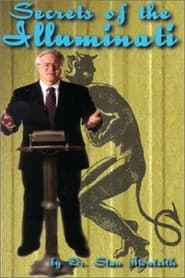
star 5.8Friends, enemies, acquaintances, and family of porn star John Holmes recall their experiences with him, from his childhood to his eventual death from AIDS in 1988.Secrets of the Illuminati
1999
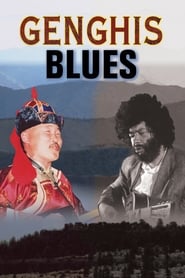
Stan Monteith reveals the shadow rulers that cause wars and revolutions; the origins of communism and socialism, and their covert motivation to create world government. He also explains the Rhodes Scholar secret society created in 1891 by Cecil Rhodes.Genghis Blues
1999
Genghis Blues
1999
star 6.9Blind blues musician Paul Pena is perhaps best known for his song "Jet Airliner". In 1993, Pena heard Tuvan throat singing over his shortwave radio and subsequently taught himself how to reproduce these extraordinary sounds. This documentary follows him to Tuva, where he takes part in a throat singing competition. Languages featured in the film include English, Russian and Tuvan.American Gypsy: A Stranger in Everybody's Land
1999
America is the home to one million Gypsies, or Rom, whose rich culture has long been mysterious to outsiders. A flamboyant Romany leader invites us into his world when it comes under threat. In a quest to defend his honor, he leads us through the history of his people to Civil Rights courts, Vegas casinos and beyond...Buena Vista Social Club
1999
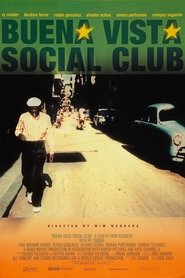
star 7.5In this fascinating Oscar-nominated documentary, American guitarist Ry Cooder brings together a group of legendary Cuban folk musicians (some in their 90s) to record a Grammy-winning CD in their native city of Havana. The result is a spectacular compilation of concert footage from the group's gigs in Amsterdam and New York City's famed Carnegie Hall, with director Wim Wenders capturing not only the music -- but also the musicians' life stories.Shadow Boxers
1999
Shadow Boxers
1999
star 6Why do women fight? This riveting behind-the-scenes look into the world of the female combatant takes us from manicures to knockouts! It turns our attention to the woman who is widely considered pound for pound the most dangerous fighter of any time, undefeated boxing sensation Lucia Rijker (Rollerball, TV's "Thunderbox"). She reveals the stages of physical, mental and spiritual growth while smashing opponents and preconceptions. "Shadow Boxers" exposes the beauty and brutality of the sport through the eyes of the introspective fighter while showing what's really at stake when women enter the ring.