New Documentary Movies on Apple iTunes - Page 428
All Services
Free Services
 Netflix
 Amazon Prime Video
 Apple iTunes
 Apple TV Plus
 Disney Plus
 Google Play Movies
 Paramount Plus
 Hulu
Hulu
 HBO Max
 YouTube
 fuboTV
 Peacock
 Peacock Premium
 Amazon Video
 The Roku Channel
 AMC+
AMC on Demand
AMC+
AMC on Demand
 Kocowa
 Hoopla
 The CW
 Vudu
Vudu
 Starz
Starz
 Showtime
 PBS
PBS
 Pantaflix
 FXNow
FXNow
 Tubi TV
 Kanopy
 Comedy Central
 Crunchyroll
 Microsoft Store
 Redbox
 Sun Nxt
 ABC
ABC
 DIRECTV
 Crackle
 Fandor
 Plex
Plex
Netflix
Amazon Prime Video
Apple iTunes
Apple TV Plus
Disney Plus
Google Play Movies
Paramount Plus
Hulu
HBO Max
YouTube
fuboTV
Peacock
Peacock Premium
Amazon Video
The Roku Channel
AMC+
AMC on Demand
Kocowa
Hoopla
The CW
Vudu
Starz
Showtime
PBS
Pantaflix
FXNow
Tubi TV
Kanopy
Comedy Central
Crunchyroll
Microsoft Store
Redbox
Sun Nxt
ABC
DIRECTV
Crackle
Fandor
Plex

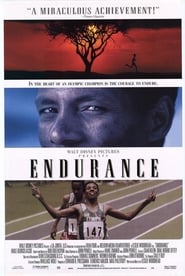
Endurance
1999
Endurance
1999
star 6.1The gold medal for the men's 10,000-meter race in the 1996 Atlanta Olympics is won by Ethiopian Haile Gebrselassie.American Chain Gang
1999
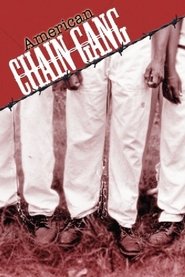
American Chain Gang
1999
star 6Documentary about the inmates and penal officers of Alabama's Limestone Correctional Facility and Arizona's Estrella County Jail, the first prison ever to put women on a chain gang.Instrument
1999
Instrument
1999
star 6.9The band Fugazi is documented over a period of more than ten years (1987-1998) through performance footage and interviews with the band and their fans. Director Jem Cohen's relationship with band member Ian MacKaye extends back to the 1970s when the two met in high school in Washington, D.C.. The film takes its title from the Fugazi song of the same name, from their 1993 album, In on the Kill Taker. Editing of the film was done by both Cohen and the members of the band over the course of five years. It was shot from 1987 through 1998 on super 8, 16mm and video and is composed mainly of footage of concerts, interviews with the band members, practices, tours and time spent in the studio recording their 1995 album, Red Medicine. The film also includes portraits of fans as well as interviews with them at various Fugazi shows around the United States throughout the years.GAMERA 1999
1999
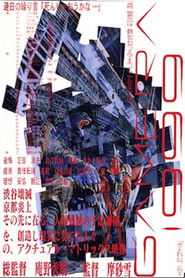
GAMERA 1999
1999
star 6Hideaki Anno's documentary about the making of Shusuke Kaneko's Gamera 3: Revenge of Iris. From concept to film, the documentary is a video diary of the film's production.Classic Albums: U2 - The Joshua Tree
1999
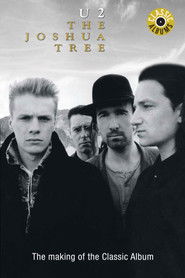
star 6.2Release in March 1987, U2's The Joshua Tree quickly became the fastest-selling album in British chart history, selling almost 250,000 copies within the first week of release. In the US, it was equally successful, topping the Billboard album chart for nine weeks, spending 58 weeks in the Top 40 there and earning a Grammy Award for Album of the Year. The story of the making of The Joshua Tree is told here, via interview and archive film footage, with contributions from band members Bono, The Edge, Adam Clayton and Larry Mullen Jr. U2’s long-time manager Paul McGuinness reveals how the album catapulted the band into the category of rock superstars, and there are contributions from Elvis Costello in the role of a major U2 fan, re-mix producer Steve Lillywhite, and of course co-producers Brian Eno and Daniel Lanois. Packed with reminiscences and powerful performances, this is the story of one of the most famous and best records of the Eighties, a true Classic Album.Amerikan Passport
1999
Amerikan Passport
1999
star 2In 1989, Reed Paget was a 23-year-old photographer and aspiring documentarian who wanted to record the seven wonders of the world on film. He decided to start in China, where he got a job teaching English, just in time to witness the student uprisings that led to the massacre in Tiananmen Square. Paget was able to sneak his film (and himself) out of the country, and next visited Vietnam and Cambodia, hoping to photograph Angor Wat. As one might expect, Paget and his traveling companion were both arrested, but upon his release, Paget discovered he'd developed a taste for danger. He spent much of the next few years scrambling to the world's trouble spots and throwing himself into the face of war or civil disturbance in Nicaragua, El Salvador, Costa Rica, Panama, South Africa, Germany, Moscow, Cairo, and Israel, which was as close to the Gulf War as he was able to get before missiles began to fall.The Source
1999
The Source
1999
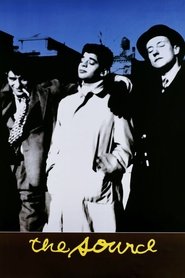
star 5.2Traces the Beats from Allen Ginsberg and Jack Kerouac's meeting in 1944 at Columbia University to the deaths of Ginsberg and William S. Burroughs in 1997. Three actors provide dramatic interpretations of the work of these three writers, and the film chronicles their friendships, their arrival into American consciousness, their travels, frequent parodies, Kerouac's death, and Ginsberg's politicization. Their movement connects with bebop, John Cage's music, abstract expressionism, and living theater. In recent interviews, Ginsberg, Burroughs, Kesey, Ferlinghetti, Mailer, Jerry Garcia, Tom Hayden, Gary Snyder, Ed Sanders, and others measure the Beats' meaning and impact.Edith Wharton: The Sense of Harmony
1999
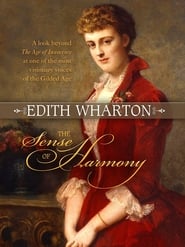
A portrait of a literary genius, cosmopolitan and activist, whose vivid portrayal of society still resonates today.The Beatles: A Celebration
1999
Geoffrey Giuliano is a Beatleologist who has written lots of books about them ,notably an interesting Harrison biography (Harrison reportedly said: "this guy knows more about my life than I do").He appears in his movie,as some kind of tourist guide who takes the viewer to Abbey road,the roof-where-the-last-concert-took-place ,and the gates of Strawberry Fields. Most of the interviews come from the post-Beatles era: Pete Best (and Fred Seaman ) speaks of the savage days in Hamburg .There is a lot of unseen photographs although they are sometimes anachronistic : for instance,they are talking about the campaign for peace while showing pictures of Lennon with his second son Sean.The World's Greatest Hoaxes: Secrets Finally Revealed
1999
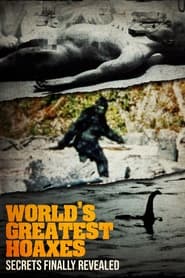
star 1Bigfoot videos, Alien Autospy videos, Loch Ness videos, and Billy Myers' UFO films, is this footage really real? Documentary which exposes the world's greatest myths. Lance Henriksen takes an in-depth look at Bigfoot, the Loch Ness monster and UFO sightings. Lance Henriksen Narrates An In-Depth Look At Bigfoot,The Loch Ness Monster, The Alien Autopsy And UFO Sightings Never-before-seen footage and new technological evidence will expose the truths behind the most sensational of legends -- Bigfoot,the Loch Ness Monster, the Alien Autopsy and Flying Saucers -- in the original special. For many years, believers and sceptics have debated the fact or fiction behind films and videos supposedly showing legendary beings and unexplained phenomena -- on earth and in space. This special details the who, why and how of the most sensational material ever caught on tape. In each case, informants, experts and modern technology expose the truths behind these myths.Classic Albums: Meat Loaf - Bat Out of Hell
1999
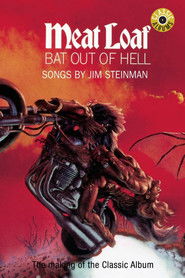
star 7.3Never one for understatement, the aptly named singer known as Meat Loaf (aka Marvin Lee Aday) teamed with operatically-minded pianist-composer Jim Steinman to produce a bombastic slab of 1970s classic rock that has become one of the biggest selling albums of all time. Fueled by Steinman's epic compositions, Todd Rundgren's grandiose production, and Meat Loaf's own soaring vocals, the singer's 1977 debut BAT OUT OF HELL elevated the rock-opera genre to appropriately theatrical heights with its extravagant orchestration and a melodramatic narrative celebrating teenage rebellion. This episode of the CLASSIC ALBUMS series recounts the making of this monumental work through interviews, archival footage, and live performances of album tracks such as "You Took the Words Right Out of My Mouth," "Two Out of Three Ain't Bad," and, of course, the adolescent opus "Paradise by the Dashboard Light."Get Bruce!
1999
Get Bruce!
1999
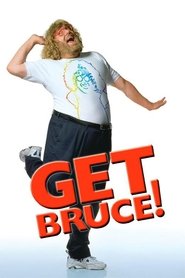
star 6.2Affectionate tribute to Bruce Vilanch, who writes material for celebrities who make public appearances, from Oscar hosts and award recipients to Presidents. We meet his mom and see photos of his childhood; in Chicago, he writes for the Tribune and then heads West. Whoopi Goldberg, Billy Crystal, Robin Williams, and Bette Midler talk with him and to the camera about working with Bruce, and we also watch Bruce help others prepare for Liz Taylor's 60th, Bill Clinton's 50th, and an AIDS awards banquet where the hirsute, rotund Vilanch lets his emotions show.Totally Bill Hicks
1998
Totally Bill Hicks
1998
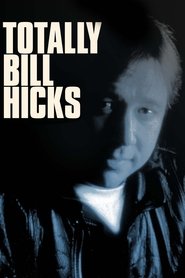
star 7.7Consisting of two parts: ‘Revelations’, Bill Hicks’ last live performance in the United Kingdom made at the Dominion Theatre; and a documentary about Hicks’ life ‘Just a Ride’ featuring interviews with friends, admirers, and family.Storefront Hitchcock
1998
The Decline of Western Civilization Part III
1998
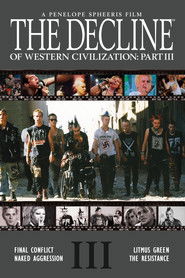
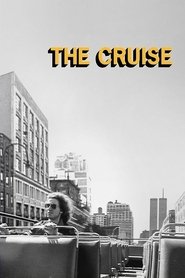
star 6.8A musical study of Los Angeles in the late 90s, where homeless teens roam the streets and profess to live a punk lifestyle of music, drugs, and flouting authority.The Cruise
1998
The Cruise
1998
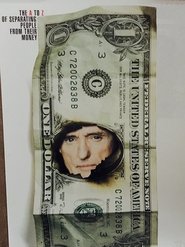
star 7.3Affectionate portrait of Timothy "Speed" Levitch, a tour guide for Manhattan's Gray Line double-decker buses.The A-Z of Separating People from their Money
1998
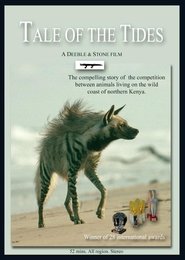
Pointing to the increasingly blurred distinction between reality and fiction in the world today, Dennis Hopper leads a discussion on the methods used by advertisers, as well as the responsibilities of ad-makers. The biggest names in the business have their say on shock, humour, and sex as methods of selling.Tale of the Tides
1998
Tale of the Tides
1998
In Africa there is a fable that explains the creation of the tides. When a hyaena challenged a mudskipper to a drinking contest to decide who should own the shore, the god Mungu tilted the earth so the sea flowed inland, and neither could win.The Brandon Teena Story
1998
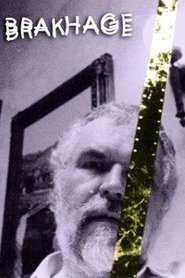
star 6.1Documentary about Brandon Teena, a transgender man who was murdered along with two others in 1993 in rural Nebraska.Brakhage
1998
Brakhage
1998
star 7BRAKHAGE explores the depth and breadth of the filmmaker’s genius, the exquisite splendor of his films, his magic personal charm, his aesthetic fellow travelers, and the influence his work has had on generations of other creators. While touching on significant moments in Brakhage’s biography, the film celebrates Brakhage’s visionary genius, and explores the extraordinary artistic possibilities of cinema, a medium mostly known only for its commercial applications in the form of narratives, cartoons, documentaries, and advertising. BRAKHAGE combines excerpts from Brakhage’s films and films of other avant-garde filmmakers (eg, George Kuchar, Jonas Mekas, Willie Varela, Bruce Elder, and others); interviews with Brakhage, his friends, family, colleagues, and critics; archival footage of Brakhage spanning the past thirty-five years; and location shooting in Boulder, Colorado and New York.