New Documentary Movies on Kanopy - Page 216
All Services
Free Services
 Netflix
 Amazon Prime Video
 Apple iTunes
 Apple TV Plus
 Disney Plus
 Google Play Movies
 Paramount Plus
 Hulu
Hulu
 HBO Max
 YouTube
 fuboTV
 Peacock
 Peacock Premium
 Amazon Video
 The Roku Channel
 AMC+
AMC on Demand
AMC+
AMC on Demand
 Kocowa
 Hoopla
 The CW
 Vudu
Vudu
 Starz
Starz
 Showtime
 PBS
PBS
 Pantaflix
 FXNow
FXNow
 Tubi TV
 Kanopy
 Comedy Central
 Crunchyroll
 Microsoft Store
 Redbox
 Sun Nxt
 ABC
ABC
 DIRECTV
 Crackle
 Fandor
 Plex
Plex
Netflix
Amazon Prime Video
Apple iTunes
Apple TV Plus
Disney Plus
Google Play Movies
Paramount Plus
Hulu
HBO Max
YouTube
fuboTV
Peacock
Peacock Premium
Amazon Video
The Roku Channel
AMC+
AMC on Demand
Kocowa
Hoopla
The CW
Vudu
Starz
Showtime
PBS
Pantaflix
FXNow
Tubi TV
Kanopy
Comedy Central
Crunchyroll
Microsoft Store
Redbox
Sun Nxt
ABC
DIRECTV
Crackle
Fandor
Plex

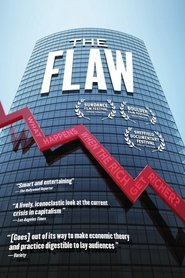
The Flaw
2011
The Flaw
2011
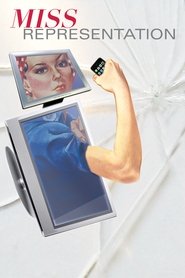
star 6.8The story of the credit bubble that caused the financial crash. Through interviews with some of the world's leading economists, including housing expert Robert Shiller, Nobel laureate Joseph Stiglitz, and economic historian Louis Hyman, as well as Wall Street insiders and victims of the crash including Ed Andrews - a former economics correspondent for The New York Times who found himself facing foreclosure - and Andrew Luan, once a bond trader at Deutsche Bank now running his own Wall Street tour guide business, the film presents an original and compelling account of the toxic combination of forces that nearly destroyed the world economy.Miss Representation
2011
Miss Representation
2011
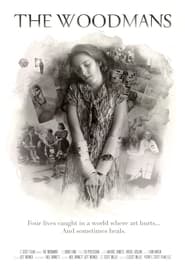
star 6.9The film MISS REPRESENTATION exposes how American youth are being sold the concept that women and girls’ value lies in their youth, beauty and sexuality. Explores the under-representation of women in positions of power and influence in America, and challenges the media's limited portrayal of what it means to be a powerful woman. It’s time to break that cycle of mistruths.The Woodmans
2011
The Woodmans
2011
star 5.8The story of a family that suffers a tragedy, but perseveres and finds redemption through each other and their work - making art.Breaking and Entering
2011
star 6.2The Guinness World of Records contains the most bizarre human achievements imaginable. But who are the crazy people behind the feats? From the grape catchers, to the hula hoopers and the ‘jogglers’, this humorous, but strikingly insightful documentary introduces us to the colourful characters who devote their lives to the oddest frontiers of human excellence. A delightfully eccentric human odyssey that is not to be missed.Mighty Uke
2011
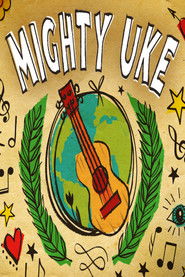
Mighty Uke
2011
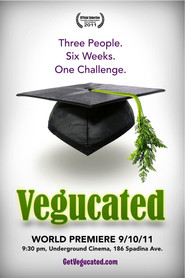
star 8Mighty Uke travels the world to discover why so many people of different nations, cultures, ages and musical tastes are turning to the ukulele to express themselves, connect with the past, and with each other.Vegucated
2011
Vegucated
2011
star 6.7Explores the challenges of converting to a vegan diet. It "follows three meat-and-cheese-loving New Yorkers who agree to adopt a vegan diet for six weeks.Phil Ochs: There But for Fortune
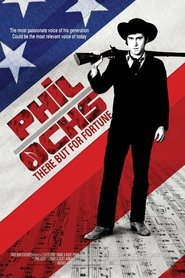
2011
star 6.6From civil rights to the anti-war movement to the struggles of workers, folksinger Phil Ochs wrote topical songs that engaged his audiences in the issues of the 1960s and 70s. In this biographical documentary, veteran director Kenneth Bowser shows how Phil's music and his fascinating life story and eventual decline into depression and suicide were intertwined with the history-making events that defined a generation. Even as his contemporaries moved into folk-rock and pop music, Phil followed his own vision, challenging himself and his listeners. Not one to pull punches, Ochs never achieved the commercial success he desperately desired. But his music remains relevant, reaching new audiences in a generation that finds his themes all too familiar.The Red Button
2011
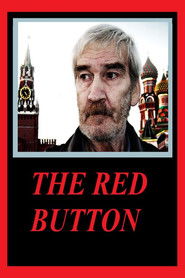
The Red Button
2011
Tells the dramatic story of Stanislav Petrov, the Russian officer who, in 1983, saved the world from atomic war.The Big Banana
2011
The Big Banana
2011
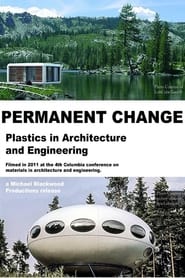
Banned in Cameroon, The Big Banana illustrates the poor working conditions in banana plantations and exposes the adverse impact on the people of a corporatocracy government that affords super profits for corporations at the expense of the local population. The Big Banana outlines land grabbing tactics by company Plantation du Haut Penja (PHP) and the ensuing devastation for communities: poverty, pollution, and sickness from pesticides. Bieleu, who spent two years filming residents in the remote countryside of Cameroon also features local cooperatives resisting the devastation through business alliances with fair trade organizations.Permanent Change: Plastics in Architecture and Engineering
2011
"Permanent Change" looks at the history and development of plastic within the architectural world. Capturing both a series of lectures and a panel with prominent names such as Steven Holl, Beatriz Colomina and Werner Sobek, this documentation observes detailed examples and lively debates regarding the popularization of plastic as a construction material. Addressing a number of contributing factors including design, engineering and form, the participants of the conference present a wide range of theories, analyses and predictions pertaining to plastics as an architectural material.Unity Through Culture
2011
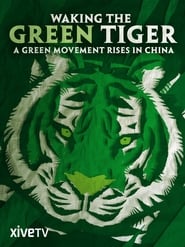
Soanin Kilangit is determined to unite the people and attract international tourism through the revival of culture on Baluan Island in the South Pacific. He organizes the largest cultural festival ever held on the island, but some traditional leaders argue that Baluan never had culture and that culture comes from the white man and is now destroying their old tradition. Others, however, take the festival as a welcome opportunity to revolt against '70 years of cultural oppression' by Christianity. A struggle to define the past, present and future of Baluan culture erupts to the sound of thundering log drum rhythms.Waking the Green Tiger
2011
Seen through the eyes of activist, farmers and journalists, Waking the Green Tiger follows an extraordinary campaign to stop a huge dam project on the Upper Yangtze river in southwestern China. Featuring astonishing archival footage never seen outside China, and interviews with a government insider and witnesses, the documentary also tell the history of Chairman Mao's campaigns to conquer nature in the name of progress. An environmental movement takes root when a new environmental law is passed, and for the first time in China's history, ordinary citizens have the democratic right to speak out and take part in government decisions. Activist test this new freedom and save a river. The movement they trigger has the potential to transform China.Behind The Wall
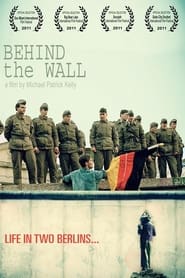
2011
Behind The Wall
2011
Behind The Wall documents what life was like on both sides of The Berlin Wall through the eyes of ordinary citizens from East and West Germany. They give an in-depth and overlooked perspective of life before, during and after The Wall fell. Beginning with the celebration of the 20th anniversary of the 'Fall of the Wall' then through the voices of the people, weaves a true history of what life was like living on both sides of The Wall.Paraiso For Sale
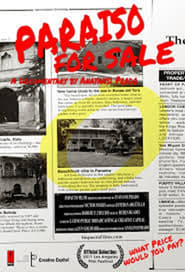
2011
Paraiso For Sale
2011
In a case of indigenism verses corporate greed, this compelling documentary chronicles the ongoing battle between the locals of Panama's Bocas del Toro and the commercial developers and migrating Americans who have seized upon the tropical paradise.Urban Roots
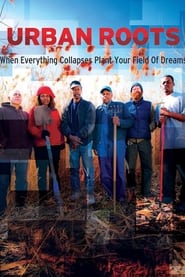
2011
Urban Roots
2011
star 6URBAN ROOTS is a documentary that tells the story of the spontaneous emergence of urban farming in the city of Detroit. Detroit, once an industrial powerhouse of a lost American era, is a city devastated by the loss of half its population due to the collapse of manufacturing. By the looks of it, the city has died. But now, against all odds, in the empty lots, in the old factory yards, and in-between the sad, sagging blocks of company housing, seeds of change are taking root.My Land
2011
My Land
2011
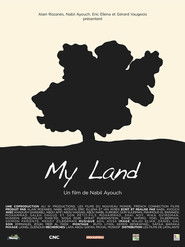
"My land" gives voice to old Palestinian refugees who fled in 1948 without ever returning to their land, and who have been living in camps in Lebanon for more than 60 years.Gold Star Children
2011
Gold Star Children
2011
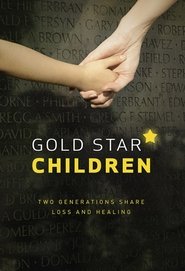
A cross-generational story of how the gold star children of Vietnam are mentoring the gold star children from the wars in Iraq and Afghanistan. It is a one hour film of resilience, hope and the power of sharing.Doctors of the Dark Side
2011
star 6.8Doctors of the Dark Side is the first feature length documentary about the pivotal role of physicians and psychologists in detainee torture. The stories of four detainees and the doctors involved in their abuse demonstrate how US Army and CIA doctors implemented the Enhanced Interrogation Techniques and covered up signs of torture at Guantanamo and Abu Ghraib. Interviews with medical, legal and intelligence experts and evidence from declassified government memos document what has been called the greatest scandal in American medical ethics. Based on four years of research by Producer/Director Martha Davis, written by Oscar winning Mark Jonathan Harris, and filmed in HD by Emmy winning DP Lisa Rinzler, the film shows how the torture of detainees could not continue without the assistance of the doctors.