New History Movies on Tub Tv - Page 443
All Services
Free Services
 Netflix
 Amazon Prime Video
 Apple iTunes
 Apple TV Plus
 Disney Plus
 Google Play Movies
 Paramount Plus
 Hulu
Hulu
 HBO Max
 YouTube
 fuboTV
 Peacock
 Peacock Premium
 Amazon Video
 The Roku Channel
 AMC+
AMC on Demand
AMC+
AMC on Demand
 Kocowa
 Hoopla
 The CW
 Vudu
Vudu
 Starz
Starz
 Showtime
 PBS
PBS
 Pantaflix
 FXNow
FXNow
 Tubi TV
 Kanopy
 Comedy Central
 Crunchyroll
 Microsoft Store
 Redbox
 Sun Nxt
 ABC
ABC
 DIRECTV
 Crackle
 Fandor
 Plex
Plex
Netflix
Amazon Prime Video
Apple iTunes
Apple TV Plus
Disney Plus
Google Play Movies
Paramount Plus
Hulu
HBO Max
YouTube
fuboTV
Peacock
Peacock Premium
Amazon Video
The Roku Channel
AMC+
AMC on Demand
Kocowa
Hoopla
The CW
Vudu
Starz
Showtime
PBS
Pantaflix
FXNow
Tubi TV
Kanopy
Comedy Central
Crunchyroll
Microsoft Store
Redbox
Sun Nxt
ABC
DIRECTV
Crackle
Fandor
Plex

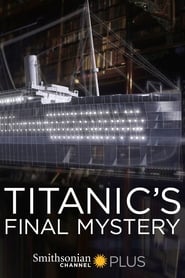
Titanic's Final Mystery
2012
star 7.3The sinking of the RMS Titanic remains one of the most enduring and mysterious tragedies of the 20th century. For decades, investigators and amateurs alike have floated theories for why it occurred and who was to blame for the extraordinary loss of life, but no one answer could fully explain what happened. Until now. To mark the 100th anniversary of the infamous disaster, Smithsonian Channel will premiere Titanic's Final Mystery. The two-hour special investigates a century of theories and uncovers astonishing new forensic evidence that proves the most likely theory for the case.The Radiant
2012
The Radiant
2012
The Radiant explores the aftermath of March 11, 2011, when the Tohoku earthquake triggered a tsunami that killed many thousands and caused the partial meltdown of the Fukushima Daiichi nuclear power plant on the east coast of Japan. Burdened by the difficult task of representing the invisible aftermath of nuclear fallout, The Radiant travels through time and space to invoke the historical promises of nuclear energy and the threats of radiation that converge in Japan in the months immediately following the disaster.Hygiène raciale
2012
Hygiène raciale
2012
Before being employed by the Nazis in what remains the most deadly program of “racial purification”, Eugenics was a very popular concept among scientists in the US and Europe. The science of “good birth”, which aims to create the perfect human being, sets out to achieve this by preventing reproduction of those perceived as weak, sick, disabled, or otherwise “degenerate”. As early as 1907, the US applied the first eugenics laws, which continued to be in force until the 1970s. In Sweden, 63,000 people were sterilized, mostly after WWII. The film switches deftly between the explanation of historians and the testimony of victims who continue to struggle for recognition of the harm they have suffered, which has been erased from the collective memory. From North Carolina to Sweden and Germany, a terrifying journey into this quest for the “best of worlds”.Margaret Mitchell: American Rebel
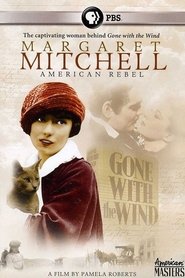
2012
Historians, biographers and personal friends of Pulitzer Prize-winning author Margaret Mitchell reveal a complex woman who experienced profound identity shifts during her life and struggled with the two great issues of her day: the changing role of women and the liberation of African Americans.So Close So Far
2012
So Close So Far
2012
star 6Bolivia in the 50's : on the Island of the Sun, in the midst of Lake Titicaca, Alberto Perrin films the indigenous community recently emancipated through the agrarian reform and the 1952 revolution. 2010: Carmen Perrin, his daughter, returns to the inhabitants the films shot by her father. No nostalgia, because the ancestral rites and the spirit of liberty continues to enliven the community, despite the pressure of tourism. A memory is emerging, gestures are invented, ties are woven in the landscape sanctuary.My Louisiana Love
2012
My Louisiana Love
2012
My Louisiana Love follows a young Native American woman, Monique Verdin, as she returns to Southeast Louisiana to reunite with her Houma Indian family. But soon she sees that her people’s traditional way of life- fishing, trapping, and hunting these fragile wetlands– is threatened by a cycle of man-made environmental crises. As Louisiana is devastated by Hurricane Katrina and Rita and then the BP oil leak, Monique finds herself turning to environmental activism. She documents her family’s struggle to stay close to the land despite the cycle of disasters and the rapidly disappearing coastline. The film looks at the complex and uneven relationship between the oil industry and the indigenous community of the Mississippi Delta. In this intimate documentary portrait, Monique must overcome the loss of her house, her father, and her partner – and redefine the meaning of home. Her story is both unique and frighteningly familiar.After
2012
After
2012
star 7.5A film about contemporary life in Auschwitz. In an observation from dusk till dawn, it portrays the theater of everyday life around the grim confines and captures the energies and activities of a world fascinated by this former concentration camp.Titanic: The Aftermath
2012
star 6Explores what happened after the Titanic sank: the lives the disaster affected and the changes it brought to sea travel.Mary of Nazareth
2012
Mary of Nazareth
2012
star 6.8The film begins with the Annunciation: Mary, a young Galilean, virginal conceived the Messiah, the Son of God. Her husband Joseph, a humble carpenter, decided to stay by his side throughout. When Caesar Augustus ordered the Jews to register people, the couple embarks on a journey to Bethlehem, where Jesus was born. Meanwhile, Maria Magdalena, a young woman from the same town that Mary, turns away from God and placed in the palace of King Herod, Herodias where convinces her to lose her innocence in the arms of the king's son.Piazza Fontana: The Italian Conspiracy
2012
star 7.2On December 12, 1969, a bomb kills 17 people at the Piazza Fontana national bank in Milan, Italy, marking the beginning of the Years of Lead. Local anarchists are scapegoated for the massacre by police and the media, but a lone prosecutor uncovers a conspiracy of far-right groups, corrupt secret services, and other interests that seek to undermine democracy.A Royal Affair
2012
A Royal Affair
2012
star 7.4A young queen falls in love with her physician, and they start a revolution that changes their nation forever.The Man who Discovered Egypt
2012
star 6.7Ancient Egypt was vandalised by tomb raiders and treasure hunters until one Victorian adventurer took them on. Most of us have never heard of Flinders Petrie, but this maverick genius underook a scientific survey of the pyramids, discovered the oldest portraits in the world, unearthed Egypt's prehistoric roots - and in the process invented modern field archaeology, giving meaning to a whole civilisation.Antonius and Cleopatra
2012
star 8While enjoying his relationship with Cleopatra, Antony neglects his Roman responsibilities, angering Octavian Caesar. Cleopatra rejoices when Antony's wife dies, but Antony's desire for political advancement leads him to marry Caesar's sister. The fragile peace that emerges is short-lived, as Antony returns to Egypt, leading to full-scale war.1949. The Route from Ķekava to the Omsk District
2012
The 1949 deportations were one of the most tragic aspects of contemporary Latvian history. 43,000 people were deported to Siberia for life, with 10,000 infants and children, elderly people, and even people raised from their deathbed among them. 4,941 persons perished. Every fourth deportee was a child. Every sixth deportee was 60 or older.Cusutu n' coddu
2012
Cusutu n' coddu
2012
Bloody revenge of a young tailor during the peasant revolt of Bronte, Sicily. Salvo, the land keeper, is at the vanguard of the revolt who wants to possess everything of the former baron, even something he can not have: his elegance, his style. Salvo decides not to kill Tailor in return for a beautiful tailor made cut to fit jacket. During Tailor's sewing work some tragic memories come to surface, memories of a man tortured by unknowns. That is when Tailor finally react and challenge the unrestrained anger of the campier. In an amazing duel between the two, in the bloody and wild sun of Sicily, the Tailor pieces together the most tragic events of his life, starting up his old vengeance plan.The Battle of Näsilinna 1918
2012
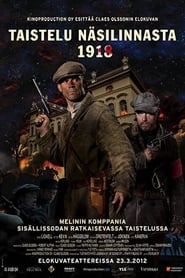
star 5Depicting the Finnish Civil War from the White army's point of view. Lieutenant Melin's soldiers mission is to penetrate the heart of the city and overtake the Nasilinna Palace from the Reds.Will
2012
Will
2012
In World War I, a Canadian soldier finds himself trapped in a hole while the war carries on around him. There, he finds himself conversing with a German soldier trapped in an adjacent crater, who reminds him of his own German heritage. While tensions are high, there’s a camaraderie there that can’t be denied.Calm at Sea
2012
Calm at Sea
2012
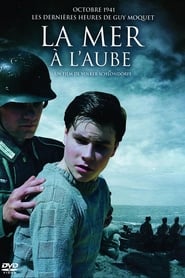
star 6.4October 1941. Eighteen months into France’s occupation by German troops, young Communist members of the Resistance shoot dead an officer of the German Army. In retaliation, Hitler demands the deaths of 150 Frenchmen, as 'retribution'. The targets are to be mostly young men believed to share the assassins’ political convictions. Most of these men are taken from an internment camp for opponents of the occupation; a 35-year-old French rural administrator is ordered to select the victims. Although the parish priest appeals to their conscience and moral sensibilities, both the German military and their French helpers slavishly follow their orders.Farewell, My Queen
2012
Farewell, My Queen
2012
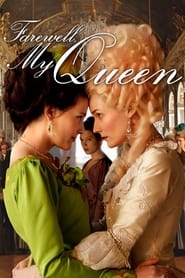
star 5.9A look at the relationship between Marie Antoinette and one of her readers during the final days of the French Revolution.