New History Movies on Tub Tv - Page 444
All Services
Free Services
 Netflix
 Amazon Prime Video
 Apple iTunes
 Apple TV Plus
 Disney Plus
 Google Play Movies
 Paramount Plus
 Hulu
Hulu
 HBO Max
 YouTube
 fuboTV
 Peacock
 Peacock Premium
 Amazon Video
 The Roku Channel
 AMC+
AMC on Demand
AMC+
AMC on Demand
 Kocowa
 Hoopla
 The CW
 Vudu
Vudu
 Starz
Starz
 Showtime
 PBS
PBS
 Pantaflix
 FXNow
FXNow
 Tubi TV
 Kanopy
 Comedy Central
 Crunchyroll
 Microsoft Store
 Redbox
 Sun Nxt
 ABC
ABC
 DIRECTV
 Crackle
 Fandor
 Plex
Plex
Netflix
Amazon Prime Video
Apple iTunes
Apple TV Plus
Disney Plus
Google Play Movies
Paramount Plus
Hulu
HBO Max
YouTube
fuboTV
Peacock
Peacock Premium
Amazon Video
The Roku Channel
AMC+
AMC on Demand
Kocowa
Hoopla
The CW
Vudu
Starz
Showtime
PBS
Pantaflix
FXNow
Tubi TV
Kanopy
Comedy Central
Crunchyroll
Microsoft Store
Redbox
Sun Nxt
ABC
DIRECTV
Crackle
Fandor
Plex

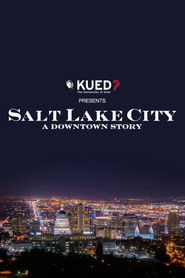
Salt Lake City: A Downtown Story
2012
In the very core of Salt Lake City, two special downtown blocks serve as a mirror. Just a handful of acres of land hold more than 150 years of the Utah story. On planners' maps, they're known as Salt Lake City Blocks 75 and 76. But to generations who have worked, lived, and played along their streets, Blocks 75 and 76 are a world unto themselves.Pour Djamila
2012
München '72 - Das Attentat
2012
star 5.5Munich 1972: The Olympic Games are supposed to show the world a new, different Germany: the spirit of Munich - cosmopolitan, relaxed and free. But then the unthinkable happens: in the early hours of September 5, Palestinian terrorists enter the Olympic Village and storm the Israeli team's quarters. Shortly afterwards, security forces find a dead Israeli. The rest of the team is in the hands of men who clearly have nothing to lose. When the leader of the terror squad asks for a negotiating partner, the young policewoman Anna Gerbers, who originally came to Munich as a steward for the games, volunteers.The Seven Gods Do Not Shoot.
2012
Seven men sit around a campfire at the mouth of the Nukhti River in 1920. These seven men are young men who have united in their desire to free their homeland from foreign invaders and swear an oath. A bloody battle, a cunning strategy that has sold out their minds. This film tells the story of the unwavering courage of Mongolian youth. 1951. Marshal Choibalsan tells the commissar who is seeing him off at the airport about his comrades who fought with him and flies to Moscow.Falklands' Most Daring Raid
2012
Documentary film about the then longest range bombing mission in history, which changed the outcome of the Falklands War.Scossa
2012
Scossa
2012
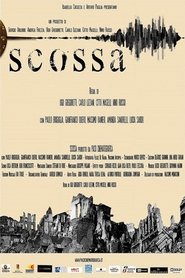
100 years ago, a terrible earthquake, followed by an equally terrible tidal wave, devastated and largely destroyed Messina and Reggio Calabria.An Enemy to Die For
2012
An Enemy to Die For
2012
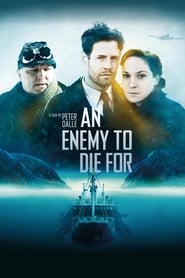
star 5.7Despite the threat of war in the fall of 1939, the Germans decide to launch a sea expedition in search of evidence for Pangaea. Although the multi national geologists embark enthusiastically on their research mission, the growing political tension between their countries soon affects their work. With Britain and France declaring war on Germany, the civilian scientists now find themselves mere pawns in a global power struggle.Maestra
2012
Maestra
2012
Cuba, 1961: 250,000 volunteers taught 700,000 people to read and write in one year. 100,000 of the teachers were under 18 years old. Over half were women. MAESTRA explores this story through the personal testimonies of the young women who went out to teach literacy in rural communities across the island - and found themselves deeply transformed in the process.Teen a Go Go: A Little Film About Rock and Roll History
2012
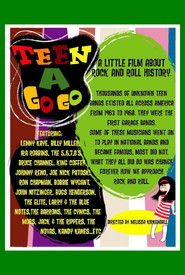
On the evening of February 9, 1964, Ed Sullivan introduced The Beatles to America. The next morning 10 million teens had something new to do. With their jaws still on the floor and inspiration stirring within, thousands of youngsters knew their destiny lay in rock and roll. Banging away in their parents garages, teen bands created timeless music. Teen A Go Go is a rock and roll stomp from beginning to end, providing an entertaining, nostalgic ride into the vibrant teen scenes of the mid 1960's. Featuring original recordings, never before sen super 8 movies, rare archival footage, photographs and interviews with musicians, fans and industry experts. Teen A Go Go captures this historic burst of creativity that swept the nation and changed rock and roll forever.A Second Knock at the Door
2012
star 5In the works for over two years, A Second Knock at the Door offers a rare glimpse into the lives of military families dealing with the loss of loved ones to friendly fire. Through interviews and investigative reports obtained through the Freedom of Information Act, this documentary explores several key incidents in which the families of the fallen were forced to embark on a quest for the truth after the Army attempted to bury the true cause of death within the 'fog of war.'A Royal Affair
2012
A Royal Affair
2012
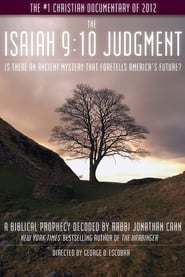
The Isaiah 9:10 Judgment
2012
An obscure passage in the Book of Isaiah describing the fall of ancient Israel has, since September 11, 2001, been eerily re-enacted in the United States exactly as it originally occurred in the time of the great prophet of Israel leading to the nation’s demise.Desert Riders
2012
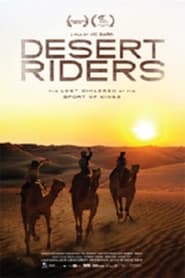
Desert Riders
2012
Camel racing is a popular sport in the Middle East. In past years, thousands of young boys have been trafficked from Bangladesh, Pakistan, Mauritania and other countries to work as jockeys in the UAE under excruciating conditions. Over the last 10 years, some governments have tried to put an end to the use of child jockeys. Desert Riders will examine the situation before and since these government policies were enacted, as well as the difficult journey to retrieve and recuperate these childrenFlorbela
2012
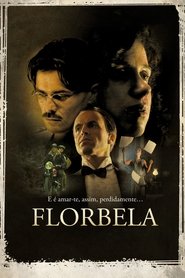
Florbela
2012
star 4.8Shaken by a divorce in the 1920s, Portuguese poetess Florbela Espanca uses her writing to deal with her tumultuous relationship with men, eroticism and love.Living Waters
2012
Living Waters
2012
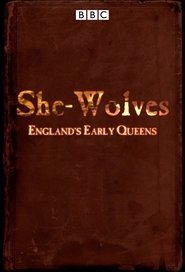
star 5John 4:13-14: Jesus answered, Everyone who drinks this water will be thirsty again, but whoever drinks the water I give them will never thirst. Indeed, the water I give them will become in them a spring of water welling up to eternal lifeShe-Wolves: England's Early Queens
2012
star 7Helen Castor presents an in depth and insightful series covering England's early Queens, from the High Middle Ages with Eleanor and get daughter-in-law Eleanor of Aquitane, through the Late Middle Ages with Isabella of France and Margaret of Anjou and finishing with Lady Jane Grey, Mary I and Elizabeth I.The Alamo
2012
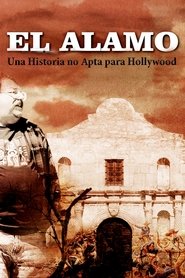
The Alamo
2012
Mexican writer Paco Ignacio Taibo II reconstructs one of the most remarkable founding myths of the United States of America: the epic battle of the Alamo, a fortified former Spanish mission near San Antonio de Béjar, in which a group of secessionist Texans withstood for thirteen days the merciless assaults of the Mexican army of President General Antonio López de Santa Anna.BUTA
2012
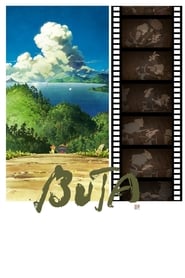
BUTA
2012
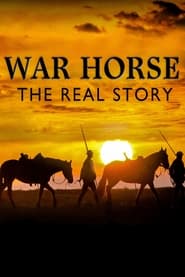
star 6.8Buta the sword for hire is recruited by the Tufugu Pirates on their voyage to seek a stockpile of treasure. On board he discovers a child Kitsune locked away below deck. After some misunderstandings and with the promise of more money, the two of them go on their own adventure.War Horse: The Real Story
2012
star 7.4The truth about the million British horses that served in World War I is even more epic than Steven Spielberg’s War Horse feature film. This documentary tells their extraordinary, moving story, begining with the mass call-up of horses from every farm and country estate in the land. Racing commentator Brough Scott tells the tale of his aristocratic grandfather General Jack Seely and his beloved horse Warrior, who would become the most famous horse of the war. The British Army hoped its illustrious cavalry regiments would win a swift victory, but it would be years before they enjoyed their moment of glory. Instead, in a new era of mechanised trench warfare, the heavy horses transporting guns, ammunition and food to the front-line troops were most important. A quarter of a million of these horses died from shrapnel wounds and disease. But the deep bond that developed between man and horse helped both survive the hell of the Somme and Passchendaele.