New Documentary Movies on Tubi TV - Page 389
All Services
Free Services
 Netflix
 Amazon Prime Video
 Apple iTunes
 Apple TV Plus
 Disney Plus
 Google Play Movies
 Paramount Plus
 Hulu
Hulu
 HBO Max
 YouTube
 fuboTV
 Peacock
 Peacock Premium
 Amazon Video
 The Roku Channel
 AMC+
AMC on Demand
AMC+
AMC on Demand
 Kocowa
 Hoopla
 The CW
 Vudu
Vudu
 Starz
Starz
 Showtime
 PBS
PBS
 Pantaflix
 FXNow
FXNow
 Tubi TV
 Kanopy
 Comedy Central
 Crunchyroll
 Microsoft Store
 Redbox
 Sun Nxt
 ABC
ABC
 DIRECTV
 Crackle
 Fandor
 Plex
Plex
Netflix
Amazon Prime Video
Apple iTunes
Apple TV Plus
Disney Plus
Google Play Movies
Paramount Plus
Hulu
HBO Max
YouTube
fuboTV
Peacock
Peacock Premium
Amazon Video
The Roku Channel
AMC+
AMC on Demand
Kocowa
Hoopla
The CW
Vudu
Starz
Showtime
PBS
Pantaflix
FXNow
Tubi TV
Kanopy
Comedy Central
Crunchyroll
Microsoft Store
Redbox
Sun Nxt
ABC
DIRECTV
Crackle
Fandor
Plex

Secretariat: Big Red's Last Race
1975
After winning the American Triple Crown, Secretariat races at Woodbine, a Canadian track.Death: The Ultimate Mystery
1975
star 4An examination of reincarnation, regression, and other life-after-death subjects.The Land Where Jesus Walked
1975
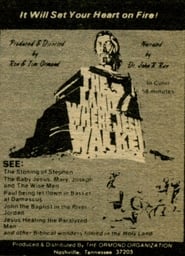
Tim and Ron Ormond were introduced to the Murfreesboro, Tennessee-based Dr. John R. Rice, minister and publisher of The Sword of the Lord, a fundamentalist newspaper. The Ormonds accompanied Rice on a tour of the Holy Land, the footage of which was used to produce The Land Where Jesus Walked.One By One
1975
One By One
1975
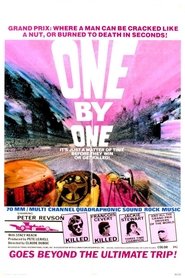
star 5.3Intended to be about the passing of the torch from Stewart to Cevert; One By One is a documentary chronicling the lives of Formula 1 racers in the seventies.The Formula One Drivers (aka The Quick and the Dead)
1974
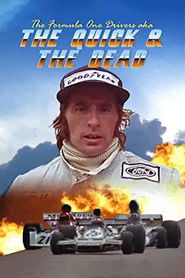
Directed by Claude Du Boc and narrated by Stacey Keach the film centers on the fragility of life and the possibility of death for Formula One drivers of the 70's. This film includes access to the top F1 drivers like Jackie Stewart, Francois Cevert, Mike Hailwood and Peter Revson which would seem all but impossible in today's F1 world.Pardon My Blooper
1974
The World of Miss World
1974
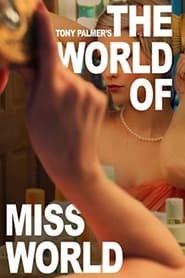
Director Tony Palmer exposes the harsh underbelly of the famed Miss World beauty contest, going beneath the glamour to reveal a hotbed of bullying, and sexism. At once tragic, funny, and deeply moving, this document of gender power dynamics remains as relevant today as it was upon its release in 1974.The Great Ecstasy of Woodcarver Steiner
1974
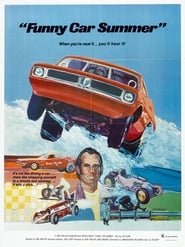
star 7.2A study of the psychology of a champion ski-flyer, whose full-time occupation is carpentry.Funny Car Summer
1973
Funny Car Summer
1973
This documentary chronicles a summer in the life of firefighter and funny car racer Jim Dunn and his family.The World of Liberace
1973
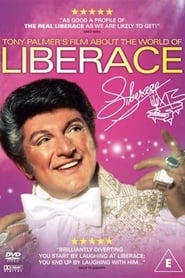
star 7In 1976 the pianist, entertainer and one of the biggest stars of the day, published a coffee table book about his collection of homes, jewellery and costumes called The Things I Love. This DVD is nothing more-nor-less than precisely that, as told to the acclaimed film-maker Tony Palmer. Liberace himself takes us on a guided tour of his Hollywood and Palm Springs homes and his treasured possessions.Ginger Baker: In Africa
1973
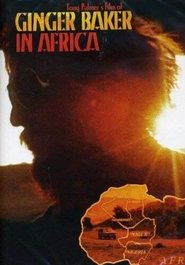
star 6In November 1971, Ginger Baker, the legendary drummer of Cream and Blind Faith, decided to set up a recording studio in Lagos, then the capital of Nigeria. Baker was one of the first rock musicians to realize the potential of African music. He also decided that it would be a rewarding musical experience to travel to Nigeria over land across the Sahara desert - a journey that would lead him into a number of adventures. This film by Tony Palmer follows Ginger Baker's odyssey as he makes his journey and finally arrives in Nigeria to set up his studio, which would run successfully through the seventies as a facility for both local and western musicians (Paul McCartney's Wings recorded "Band On The Run" there).The World of Hugh Hefner
1973
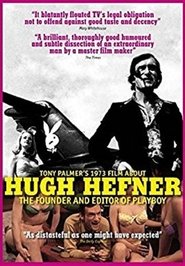
This 1973 documentary by the award-winning director Tony Palmer shone a light on the multi-millionaire Hugh Hefner and his Playboy empire. It gave Hefner the opportunity to tell his story and, of course, it offended the usual suspects - Mary Whitehouse, the Daily Express and many more.Nationtime
1972
Nationtime
1972
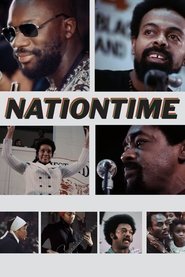
star 8A report on the National Black Political Convention held in Gary, Indiana, in 1972, a historic event that gathered Black voices from across the political spectrum, among them Jesse Jackson, Dick Gregory, Coretta Scott King, Richard Hatcher, Amiri Baraka, Charles Diggs, and H. Carl McCall.Moonwalk One
1972
Moonwalk One
1972
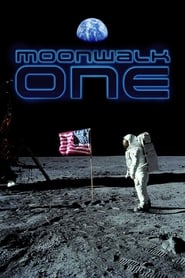
star 6.2This documentary by Theo Kamecke from 1970 gives an in-depth and profound look at the Apollo 11 mission to the moon. NASA footage is interspersed with reactions to the mission around the world as the film captures the intensity as well of the philosophical significance of the event. Won special award at Cannes.Marjoe
1972
Marjoe
1972
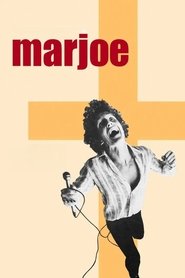
star 7.7Part documentary, part expose, this film follows one-time child evangelist Marjoe Gortner on the "church tent" Revivalist circuit, commenting on the showmanship of Evangelism and "the religion business", prior to the start of "televangelism". Preserved by the Academy Film Archive in 2005.Weed
1972
Weed
1972
star 6.7Documentary about marijuana use, culture and law enforcement by future porn superstar director Alex de Renzy.Fata Morgana
1972
Fata Morgana
1972
star 6.6Shot under extreme conditions and inspired by Mayan creation theory, the film contemplates the illusion of reality and the possibility of capturing for the camera something which is not there. It is about the mirages of nature—and the nature of mirage.The American West of John Ford
1971
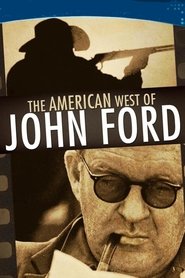
star 6.2A documentary encapsulating the career and Western films of director 'John Ford' , including clips from his work and interviews with his colleagues.The Struggle Continues
1971
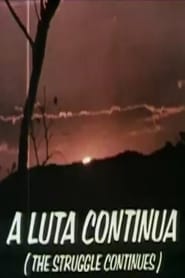
A Luta Continua explains the military struggle of the Liberation Front of Mozambique (FRELIMO) against the Portuguese. Produced and narrated by American activists Robert Van Lierop, it details the relationship of the liberation to the wider regional and continental demands for self-determination against minority rule. It notes the complicit roles of foreign governments and companies in supporting Portugal against the African nationalists. Footage from the front lines of the struggle helps contextualize FRELIMO's African socialist ideology, specifically the role of the military in building the new nation, a commitment to education, demands for sexual equality, the introduction of medical aid into the countryside, and the role of culture in creating a single national identity.Land of Silence and Darkness
1971
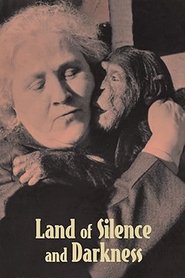
star 7.4Through examining Fini Straubinger, an old woman who has been deaf and blind since her teens, and her work on behalf of other deaf-blind people, this film shows how the deaf-blind struggle to understand and accept a world from which they are almost wholly isolated.