Popular Documentary Movies - Page 257
All Services
Free Services
 Netflix
 Amazon Prime Video
 Apple iTunes
 Apple TV Plus
 Disney Plus
 Google Play Movies
 Paramount Plus
 Hulu
Hulu
 HBO Max
 YouTube
 fuboTV
 Peacock
 Peacock Premium
 Amazon Video
 The Roku Channel
 AMC+
AMC on Demand
AMC+
AMC on Demand
 Kocowa
 Hoopla
 The CW
 Vudu
Vudu
 Starz
Starz
 Showtime
 PBS
PBS
 Pantaflix
 FXNow
FXNow
 Tubi TV
 Kanopy
 Comedy Central
 Crunchyroll
 Microsoft Store
 Redbox
 Sun Nxt
 ABC
ABC
 DIRECTV
 Crackle
 Fandor
 Plex
Plex
Netflix
Amazon Prime Video
Apple iTunes
Apple TV Plus
Disney Plus
Google Play Movies
Paramount Plus
Hulu
HBO Max
YouTube
fuboTV
Peacock
Peacock Premium
Amazon Video
The Roku Channel
AMC+
AMC on Demand
Kocowa
Hoopla
The CW
Vudu
Starz
Showtime
PBS
Pantaflix
FXNow
Tubi TV
Kanopy
Comedy Central
Crunchyroll
Microsoft Store
Redbox
Sun Nxt
ABC
DIRECTV
Crackle
Fandor
Plex

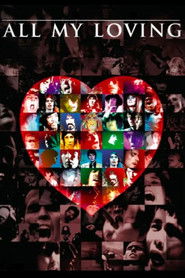
All My Loving
1968
All My Loving
1968
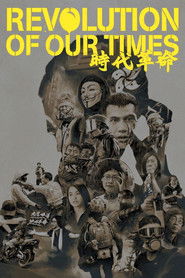
star 6.5Originally a BBC documentary, this film by Tony Palmer about the 1960's music scene was later released as a standalone DVD by the BFIRevolution of Our Times
2021
star 8.3Throughout Hong Kong’s history, Hongkongers have fought for freedom and democracy but have yet to succeed. In 2019, a controversial extradition bill was introduced that would allow Hongkongers to be tried in mainland China. This decision spurred massive protests, riots, and resistance against heavy-handed Chinese rule over the City-State. Award-winning director Kiwi Chow documents the events to tell the story of the movement, with both a macro view of its historical context and footage and interviews from protestors on the front lines.Nalujuk Night
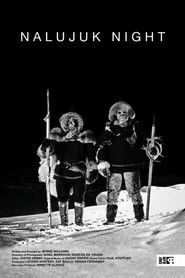
2021
Nalujuk Night
2021
Nalujuk Night is an up close look at an exhilarating, and sometimes terrifying, Labrador Inuit tradition. Every January 6th from the dark of the Nunatsiavut night, the Nalujuit appear on the sea ice. They walk on two legs, yet their faces are animalistic, skeletal, and otherworldly. Snow crunches underfoot as they approach their destination: the Inuit community of Nain. Despite the frights, Nalujuk Night is a beloved annual event, showing that sometimes it can be fun to be scared. Rarely witnessed outside of Nunatsiavut, this annual event is an exciting chance for Inuit, young and old, to prove their courage and come together as a community to celebrate culture and tradition. Inuk filmmaker Jennie Williams brings audiences directly into the action in this bone-chilling black and white short documentary about a winter night like no other.The Chicago Conspiracy Trial
1970
star 6A BBC-produced docudrama based on trial transcripts and aired in the United Kingdom in October 1970Outside Center
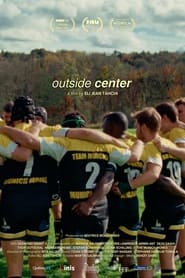
2023
Outside Center
2023
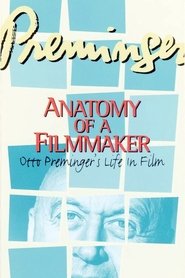
Finding community via his gay rugby league, Jamaican-born Desmond navigates life, love, and identity as an immigrant living in Munich, Germany.Preminger: Anatomy of a Filmmaker
1991
star 7.7This documentary, hosted by actor Burgess Meredith, explores the life and career of movie director Otto Preminger, whose body of work includes such memorable films as Anatomy of a Murder, Exodus, Laura, Forever Amber, Advise and Consent, In Harm's Way, The Moon Is Blue, The Man with the Golden Arm, and many other movies made from the '30s through the '70s. Interviews with actors Frank Sinatra, Vincent Price, James Stewart, Michael Caine, and others who worked with the flamboyant and sometimes control-obsessed director add information and insight to the story.Night and Fog
1959
Night and Fog
1959
star 8.2Filmmaker Alain Resnais documents the atrocities behind the walls of Hitler's concentration camps.Bound by Flesh
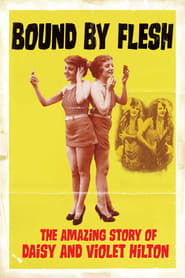
2012
Bound by Flesh
2012
star 5.9Conjoined twins Daisy and Violet Hilton were once the cream of the sideshow crop. Taught to sing and dance at an early age, the winsome duo ascended through the early 20th-century vaudeville circuit as a side attraction (working alongside Bob Hope and Charlie Chaplin as well as a memorable turn in the Tod Browning classic "Freaks") before a cascade of unscrupulous management and harsh mistreatment brought their careers (and lives) tumbling down. This engrossing glimpse into a bygone era is filled with fascinating interviews and rare archival footage.100 Years of Japanese Cinema
1995
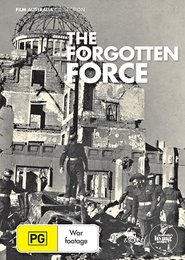
star 5.8The story of the first century of Japanese cinema from the point of view of the controversial Japanese filmmaker Nagisa Ōshima.The Forgotten Force
1994
The Forgotten Force
1994
star 6After the atomic obliteration of Hiroshima and Nagasaki, over 36,000 Australian men and women, part of the British Commonwealth Occupation Force (BCOF), marched onto Japanese soil. They were assigned the toughest and most dangerous area of Japan: Hiroshima Prefecture, which included the atom-bombed city. The Forgotten Force tells for the first time the story of Australia's role in Japan. Rare archival and private footage, photographs and eyewitness accounts from both sides vividly recreate the atmosphere of post-war Japan - the horror of Hiroshima and its aftermath; the struggle to build a new "democratic" society while under the heel of military rule; the growth from suspicion and fear to friendship and trust between foes.Sisters in Cinema
2003
Social Genocide
2004
Social Genocide
2004
star 8After the fall of the military dictatorship in 1983, successive democratic governments launched a series of reforms purporting to turn Argentina into the world's most liberal and prosperous economy. Less than twenty years later, the Argentinians have lost literally everything: major national companies have been sold well below value to foreign corporations; the proceeds of privatizations have been diverted into the pockets of corrupt officials; revised labour laws have taken away all rights from employees; in a country that is traditionally an important exporter of foodstuffs, malnutrition is widespread; millions of people are unemployed and sinking into poverty; and their savings have disappeared in a final banking collapse. The film highlights numerous political, financial, social and judicial aspects that mark out Argentina's road to ruin.I Hate Big Phony
2016
I Hate Big Phony
2016
For all intents and purposes, 2015 was seemingly a banner year for singer/songwriter Bobby Choy (aka Big Phony). His melodic and quiet songs had garnered him a following as he performs at SXSW while also starring in his first feature film. However, returning back to the States from living abroad in S. Korea - has he made the right decisions in life, professionally and personally? Is he his own worst enemy?Our Platinum Queen: 70 Years on the Throne
2022
Historians examine the history of Queen Elizabeth II, England's longest running queen,including the untimely death of her father, her actions in England's ex-colonies and the current state of the royal family.Love, Gilda
2018
Love, Gilda
2018
star 7.2Diaries, audiotapes, videotapes and testimonials from friends and colleagues offer insight into the life and career of Gilda Radner -- the beloved comic and actress who became an icon on Saturday Night Live.The Lie Detector
2023
The Lie Detector
2023
star 8In the first decades of the 20th century, when life was being transformed by scientific innovations, researchers made a thrilling new claim: they could tell whether someone was lying by using a machine. Popularly known as the “lie detector,” the device transformed police work, seized headlines and was extolled in movies, TV and comics as an infallible crime-fighting tool. Husbands and wives tested each other’s fidelity. Corporations routinely tested employees’ honesty and government workers were tested for loyalty and “morals.” But the promise of the polygraph turned dark, and the lie detector too often became an apparatus of fear and intimidation. Written and directed by Rob Rapley and executive produced by Cameo George, The Lie Detector is a tale of good intentions, twisted morals and unintended consequences.Slava Ukraini
2023
Slava Ukraini
2023
star 6.9One year after the beginning of the full-scale Russian invasion of Ukraine, philosopher Bernard-Henri Lévy takes us to the heart of the combat through this war diary made during the second half of 2022. From Kharkiv and Bakhmut to Kherson, in the aftermath of the city’s liberation, this documentary bears witness to the ravages of war through the testimonies of soldiers, chronicles of the front and portraits of civilians, and shares with us the struggle of the Ukrainian people.Kenedi Goes Back Home
2003
star 6The first film in what would ultimately become Zilnik’s famed Kenedi trilogy follows street hustler Kenedi Hasani and his friend as they roam the streets of Serbia seeking Kenedi’s parents. Kenedi Goes Back Home is Zilnik’s account of the Roma people who were forced to flee from the war in the Balkans to Germany in the 1990s and who, ten years later, are forced against their will to return to Serbia. Zilnik shows the immigrants' lives in relation to the prevailing ideology shaped today by the borders between rich and poor and by the often-racist selection process that determines who will be accepted into Western Europe. In presenting the dilemmas and identifying the crises these people face, he appeals for a solution.Il mago
1959
Il mago
1959