Popular Documentary Movies on Kanopy - Page 187
All Services
Free Services
 Netflix
 Amazon Prime Video
 Apple iTunes
 Apple TV Plus
 Disney Plus
 Google Play Movies
 Paramount Plus
 Hulu
Hulu
 HBO Max
 YouTube
 fuboTV
 Peacock
 Peacock Premium
 Amazon Video
 The Roku Channel
 AMC+
AMC on Demand
AMC+
AMC on Demand
 Kocowa
 Hoopla
 The CW
 Vudu
Vudu
 Starz
Starz
 Showtime
 PBS
PBS
 Pantaflix
 FXNow
FXNow
 Tubi TV
 Kanopy
 Comedy Central
 Crunchyroll
 Microsoft Store
 Redbox
 Sun Nxt
 ABC
ABC
 DIRECTV
 Crackle
 Fandor
 Plex
Plex
Netflix
Amazon Prime Video
Apple iTunes
Apple TV Plus
Disney Plus
Google Play Movies
Paramount Plus
Hulu
HBO Max
YouTube
fuboTV
Peacock
Peacock Premium
Amazon Video
The Roku Channel
AMC+
AMC on Demand
Kocowa
Hoopla
The CW
Vudu
Starz
Showtime
PBS
Pantaflix
FXNow
Tubi TV
Kanopy
Comedy Central
Crunchyroll
Microsoft Store
Redbox
Sun Nxt
ABC
DIRECTV
Crackle
Fandor
Plex

America's Library
2018
America's Library
2018
With special access to the Library of Congress, rediscover the history and culture of America through rarely seen treasures unearthed from its extensive holdings - the largest in the world.The Longevity Film
2019
The Longevity Film
2019
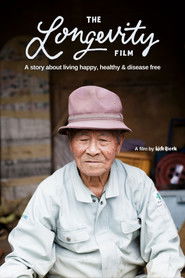
star 5Kale Brock visits communities with improved life expectancies, low rates of disease and an extremely high quality of life well into the later years, for a deep dive into longevity culture and what it really takes to get well and stay well.The Cloud Forest
2017
The Cloud Forest
2017
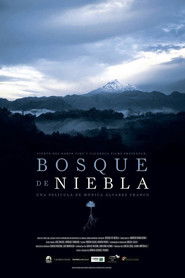
star 5.2A small community in Veracruz is the guardian of one of the ecosystems facing the most risk: the cloud forest. By redesigning their needs, education and relationship with other people and with nature, they search for a simpler and sustainable life.Queen of the Deuce
2023
Queen of the Deuce
2023
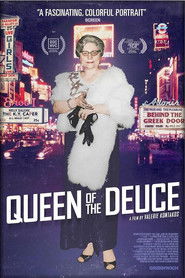
star 6.8The unbelievable true story of Chelly Wilson, who escaped the Holocaust and built a porn cinema empire in New York City in the 1970s. Chelly was a Greek-born, Christmas-celebrating, Jewish grandma, who married men but was openly gay. This documentary charts her unlikely rise to wealth as a shrewd businesswoman on “The Deuce,” aka New York’s infamous 42nd Street.Atomic Hope: Inside the Pro-Nuclear Movement
2023
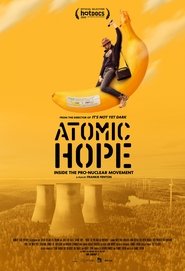
star 5.5Is nuclear energy the solution to the climate crisis? Whether it is the only carbon-neutral technology capable of tackling the crisis or a fatally convenient stopgap, time is running out.Kusama: Infinity
2018
Kusama: Infinity
2018
star 7.2Now one of the world’s most celebrated artists, Yayoi Kusama broke free of the rigid society in which she was raised, and overcame sexism, racism, and mental illness to bring her artistic vision to the world stage. At 88 she lives in a mental hospital and continues to create art.Tutankhamun: The Last Exhibition
2022
star 6.8To mark the centenary of the discovery of Tutankhamun’s tomb in 1922, this documentary offers, for the first time ever, an extraordinary opportunity to meet the Pharoah , and relive those unique moments on the big screen following exclusive coverage of how 150 items from among his treasures, were moved to become part of the biggest international exhibition ever dedicated to the Golden Boy. Tutankhamun is a name that has become part of the collective imagination worldwide. Few people, however, associate his celebrity status with a combination of unique events and the stubbornness of the British archaeologist who discovered the tomb. This documentary film retraces this incredible story and offers exclusive access to some of the places which continue to pulsate with its history. “Please watch them, before they return back to Egypt forever”, said Mostafa Waziry, secretary general of the Egyptian Ministry of State for Antiquities.Generation Greta
2020
Generation Greta
2020
They are aged between 12 and 24. They have grown up in a world with increasing droughts, floods, fires. And they share a common fight: the climate emergency. In spite of their cultural and geographical differences, nine young female activists are united under the same struggle: raising awareness about the climate emergency, fighting against the inaction of politicians, and promoting radical societal change, so that nature and social justice become our top priority. In the wake of Greta Thunberg, the most famous of them all, these young women, aged between 12 and 24 years old, already possess the charisma and assurance of some of the history’s greatest political personalities. Who are these activists, set on changing the world? How can we understand their anger? What hopes do they carry? ‘Generation Greta’ recounts the story of these nine incredible young women, combining moving eyewitness accounts and breathtaking archive footage.The American Sector
2020
The American Sector
2020
A documentary about the concrete sections of the Berlin Wall that have been acquired by institutions or individuals since 1989 and are now scattered across the USA. Cherished or abandoned, they have become silent witnesses to recent history.The Great Barrier Reef
2017
star 5.7The well-known actress and world champion in freediving, Marina Kazankova, presents the most beautiful and wonderful reef in the world: the Great Barrier Reef in Australia. Threatened by the ongoing global warming and over acidification of the ocean, it is fighting for the preservation of this unique UNESCO World Heritage Site. She takes us on an extraordinary journey from the Hardy Reef across the Whitsunday Islands to the unique Coral Cays. It is accompanied by a variety of reef-based life forms such as whale sharks, turtles and the rare, up to three meters long giant grouper. Once again we experience the underwater world of the world’s largest reef with its hidden caves, mysterious shipwrecks and fantastic horizontal waterfalls.A Gamer's Life
2016
A Gamer's Life
2016
star 5.7Go behind the scenes to uncover the truths of being a professional gamer for a living. Can you really make a living from being a gamer?Photographic Memory
2011
Photographic Memory
2011
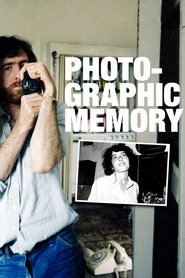
star 5.8Distressed over his teenaged son's addiction to the Internet and fearful that the developing boy has grown detached from the real world, documentary filmmaker Ross McElwee takes a journey back into his own adolescence by returning to St. Quay-Portrieux in Brittany, France, which he visited as a teen, and attempting to track down the photographer who gave him his first job, and the girl who once stole his heart.The Surprising History of Sex and Love
2002
star 8The Surprising History of Sex and Love is a documentary presented by Terry Jones, looking at the different and surprising attitudes to sex and love throughout history. The documentary traces the story of changing social and religious attitudes to sex through a broad swathe of history. Starting with the place of ’sacred sex’ in the ancient world and ending with a discussion of the contemporary relationship between sex, marketing and prurience, the film offers some kind of map of how we got from there to here, and indicates that changes in sexual attitudes are connected with issues of power and control.Depero: Rovereto, New York and Other Stories
2015
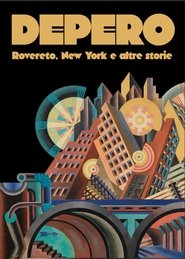
Depero: Rovereto, New York and Other Stories is the first documentary film focused on the artist from Trentino, Fortunato Depero. The film investigates the figure of a man who was able to go beyond the codified circuits of the art world: his work ranges from painting to theater, from set design to photography, the applied arts to opera on radio, publishing and advertising design. Fortunato Depero was rediscovered in the late seventies and re-evaluated in the nineties thanks to the attention dedicated to him by some scholars and the keen interest of his works by French and American audiences who saw in him the most significant artist of the Futurist movement.Children of Labor: A Finnish-American History
1977
How Finnish immigrants came into contact — and conflict — with industrial America. Three generations of Finnish-Americans recount how they coped with harsh realities by creating their own institutions: churches, temperance halls, socialist halls, and cooperatives.I Just Wanted to Be Somebody
2007
star 4.5Newsreels, commercials, and home movies are used to study the life and influence of Anita Bryant.Slaughter Nick for President
2013
star 9A little-known actor discovers that he is hugely popular in Serbia.Art in an Age of Mass Culture
1991
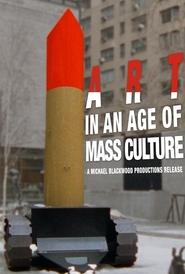
Art in an Age of Mass Culture pulls back the curtain and takes a look at the cultural climate surrounding MoMA's now famed exhibition, "High and Low: High Art and Popular Culture". Opening in the fall of 1990, the show placed a spotlight on the rapid merging of consumerism and the artistic avant-garde. Curated by Kirk Varnedoe and Adam Gopnik and featuring work from artists such as Jeff Koons and Roy Lichtenstein, "High and Low" ignites conversations of mass culture and our society's ever-changing relationship with the arts.Sold
2019
My Father is my Mother's Brother
2018
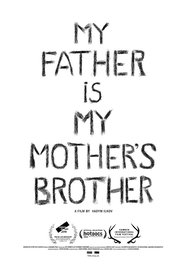
star 5.5Tolik, an openly gay bohemian singer/artist in the Ukrainian underground scene, is raising his niece Katya, a stubborn little girl who has taken to calling him Dad. Her mother, Anya, is both at the heart of the film and almost doomed to the fringes, adrift between solitude and stays in a psychiatric hospital.