Popular Documentary Movies on Kanopy - Page 243
All Services
Free Services
 Netflix
 Amazon Prime Video
 Apple iTunes
 Apple TV Plus
 Disney Plus
 Google Play Movies
 Paramount Plus
 Hulu
Hulu
 HBO Max
 YouTube
 fuboTV
 Peacock
 Peacock Premium
 Amazon Video
 The Roku Channel
 AMC+
AMC on Demand
AMC+
AMC on Demand
 Kocowa
 Hoopla
 The CW
 Vudu
Vudu
 Starz
Starz
 Showtime
 PBS
PBS
 Pantaflix
 FXNow
FXNow
 Tubi TV
 Kanopy
 Comedy Central
 Crunchyroll
 Microsoft Store
 Redbox
 Sun Nxt
 ABC
ABC
 DIRECTV
 Crackle
 Fandor
 Plex
Plex
Netflix
Amazon Prime Video
Apple iTunes
Apple TV Plus
Disney Plus
Google Play Movies
Paramount Plus
Hulu
HBO Max
YouTube
fuboTV
Peacock
Peacock Premium
Amazon Video
The Roku Channel
AMC+
AMC on Demand
Kocowa
Hoopla
The CW
Vudu
Starz
Showtime
PBS
Pantaflix
FXNow
Tubi TV
Kanopy
Comedy Central
Crunchyroll
Microsoft Store
Redbox
Sun Nxt
ABC
DIRECTV
Crackle
Fandor
Plex

Ida B. Wells: A Passion for Justice
1989
Ida B. Wells: A Passion for Justice documents the dramatic life and turbulent times of the pioneering African American journalist, activist, suffragist and anti-lynching crusader of the post-Reconstruction period. Nobel Prize-winning author Toni Morrison reads selections from Wells' memoirs and other writings in this winner of more than 20 film festival awards.The Bullish Farmer
2017
The Bullish Farmer
2017
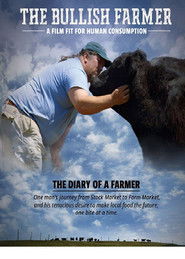
star 5A documentary on sustainable agriculture which journeys into the life of a Wall Street investment banker turned farmer as he struggles to build and run a farm that is feeding his family and the community he has lived in his whole life.Never Enough
2010
Never Enough
2010
Michele Gitlin has 700 sweaters. In touch with the pain as well as the pleasure of over-collecting, she calls Ron “Disaster Master” Alford for help. Ron, a de-cluttering expert who believes that “clutter begins in the head, and ends up on the floor,” determines that Michele is a hoarder with a rating of 8 (out of ten) on his “clutter index.” Ron also visits a retired Marine with 7,800 Beanie Babies and a home shopping addict whose purchases are literally burying him. Never Enough is a meditation on materialism, consumerism, mental illness and the social fabric of our lives.Valley of the Queens: The New Secrets
2021
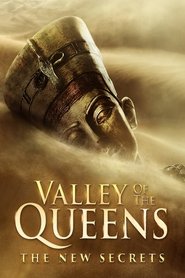
star 7Archaeologists decode ancient inscriptions hidden in the valley of the Queens, a necropolis filled with more than 90 burials, to uncover the lost stories of the most powerful women in Ancient Egypt.Dreamland: A Storming Area 51 Story
2022
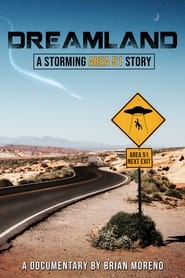
star 4.5A life-long alien enthusiast and comedian, Brian Moreno, hires a film crew to follow him on his extra-terrestrial fact finding adventure to the viral "Storming Area 51" event.Weed & Wine
2020
Weed & Wine
2020
Continents apart from one another, two farming families aim to reinvent themselves on their land. One family-a strong-willed French matriarch and the son she raised among her vines-tends a centuries-old, biodynamic vineyard in the Southern Rhône. Across the ocean in Humboldt, California, another family-a brash father and his more reserved son-carefully manage a state-recognized, organic cannabis farm. The feature documentary WEED and WINE interweaves their stories, urging comparisons and teasing out contradictions between France's revered winemaking traditions and the artisan culture emerging alongside the legal cannabis industry.Every Child is Born a Poet
2002
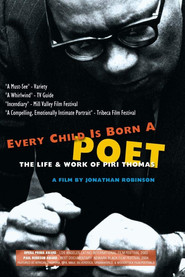
Before acclaimed author Piri Thomas could write his famous novel "Down These Mean Streets", he had to live on them. This biopic shows how his childhood in Spanish Harlem, a six-year prison stint and other key events shaped his artistic development. The film combines rarely seen footage, still photos and mixed-media images to illustrate Thomas's life and an influential career that focused on revealing the injustices of poverty and racism.A Lot Like You
2012
A Lot Like You
2012
What happens when a woman goes in search of her identity and discovers that the cycle of violence she's been working hard to break in the US is part of her family history and culture on another continent?Silent River
2014
Silent River
2014
Since the passage of the North American Free Trade Agreement 20 years ago, international companies have used the Santiago River as their own “waste canal.” This documentary follows a young woman and her family as they try to save one of the most polluted rivers in Mexico.The Mean World Syndrome
2010
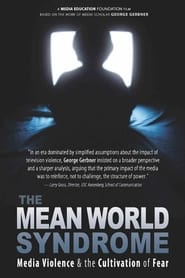
For years, debates have raged among scholars, politicians, and concerned parents about the effects of media violence on viewers. Too often these debates have fallen into simplistic battles between those who claim that media images directly cause violence and those who argue that activists exaggerate the impact of media exposure. Based on interviews conducted with George Gerbner before his death in 2005, the film urges us to think about media effects in more nuanced ways. In contrast to behaviorist models that see media violence as causing real-world violence, and limited effects models that question the impact of media altogether, Gerbner encourages us to move outside the frame of this debate to consider how the repetitive stories media tell constitute a pervasive cultural environment - a landscape of ritualized, often violent images that have the power to cultivate how we see and understand the world.Going Om
2021
Going Om
2021
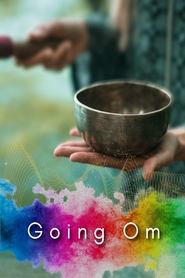
In the beginning, there was sound. It has been used throughout history as a transformational tool in ceremonies, celebrations and even in times of war. It can soothe us in the form of a gentle rain or create anxiety invoked by blaring sirens passing by. Will sound, vibration and frequency be the medicine of the future? What if your words could literally change the world around you? Are we capable of healing through sound vibration? From plants to outer space, GOING OM explores the secrets and power of sound.The Visual Language of Herbert Matter
2010
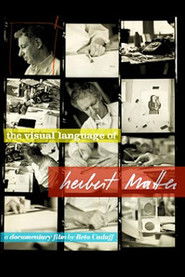
Feature length documentary film about graphic designer, photographer and visual artist Herbert Matter.My Feminism
1997
My Feminism
1997
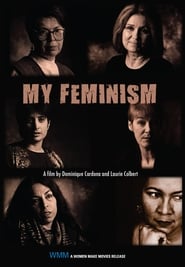
star 10In an era of antifeminist backlash, this articulate documentary by the makers of Thank God I’m a Lesbian forcefully reminds us that the revolution continues. Powerful interviews with feminist leaders including bell hooks, Gloria Steinem, and Urvsahi Vaid are intercut with documentary sequences to engagingly explore the past and present status of the women’s movement. Discussing the unique contributions of second wave feminism, they explore their racial, economic and ideological differences and shared vision of achieving equality for women. Anessential component of women’s studies curricula, My Feminism introduces feminism’s key themeswhile exposing the cultural fears underlying lesbian baiting, backlash, and political extremism.Nellie Bly Makes the News
2018
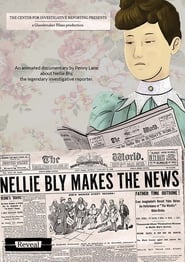
An animated documentary about the legendary journalist who changed the game for women in reporting before women even had the right to vote. Examining boundaries between reporting and storytelling, it creates a dynamic portrait of a woman who refused to accept the status quo.The Skyjacker's Tale
2017
The Skyjacker's Tale
2017
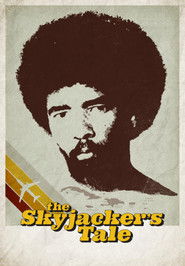
star 6.5Canadian documentarian Jamie Kastner (The Secret Disco Revolution) looks back at a notorious 1970s murder trial in the Virgin Islands — where five politicized young islanders were convicted of a massacre at a ritzy country club — and its dramatic aftermath a decade later, when the culprits’ ostensible leader staged a skyjacking and found refuge in Cuba.Show Me The Picture: The Story of Jim Marshall
2020
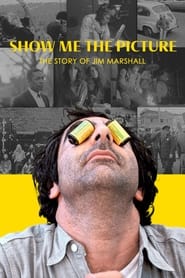
star 7.7Jim Marshall was a maverick with a camera. An outsider who captured the heights of Rock’N’Roll music and the seismic changes of an era, from the Beatles and Jimi Hendrix, to the civil rights movements and some of the most iconic moments of the 60’s.Pony Boys
2022
Pony Boys
2022
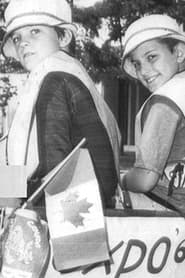
Summer 1967. Two little boys, 9 and 11, drive a pony cart from Needham, Mass. to Montreal on their own—325 miles—to visit the Expo ’67—the World’s Fair.Eat Your Catfish
2021
Eat Your Catfish
2021
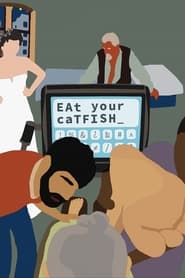
star 5.8New Yorker Kathryn has the deadly disease ALS and is completely paralyzed. She can only communicate by pointing out letters with her eyes on a special keyboard and she needs 24-hour care. It’s a horrific situation that Kathryn puts into words incisively and pragmatically. The only reason she hasn’t asked to be taken off life support yet, she says, is that she isn’t ready to say goodbye to her children. She wants at least to experience her daughter Minou’s wedding day.We Breathe Again
2017
We Breathe Again
2017
For millennia, Alaska Native peoples thrived in the seasonally harsh conditions of life in the far north. They depended upon strong social, cultural and spiritual practices passed from generation to generation. In the last century, rapid and forced changes in the life ways of Alaska Native peoples created many complex, painful scars for Elders who experienced them, and for their children's children. In a landscape as dramatic as its stories, WE BREATHE AGAIN intimately explores the lives of four Alaska Native people, each confronting the impacts of inter-generational trauma and suicide.Coming Out Polish Style
2011
star 1Rare look into the lives of gays and lesbians in contemporary Poland. It explores the issue of gay and lesbian rights in a conservative society, which is undergoing a very dynamic transformation, allowing for successful liberal changes.