Popular Documentary Movies on Kanopy - Page 244
All Services
Free Services
 Netflix
 Amazon Prime Video
 Apple iTunes
 Apple TV Plus
 Disney Plus
 Google Play Movies
 Paramount Plus
 Hulu
Hulu
 HBO Max
 YouTube
 fuboTV
 Peacock
 Peacock Premium
 Amazon Video
 The Roku Channel
 AMC+
AMC on Demand
AMC+
AMC on Demand
 Kocowa
 Hoopla
 The CW
 Vudu
Vudu
 Starz
Starz
 Showtime
 PBS
PBS
 Pantaflix
 FXNow
FXNow
 Tubi TV
 Kanopy
 Comedy Central
 Crunchyroll
 Microsoft Store
 Redbox
 Sun Nxt
 ABC
ABC
 DIRECTV
 Crackle
 Fandor
 Plex
Plex
Netflix
Amazon Prime Video
Apple iTunes
Apple TV Plus
Disney Plus
Google Play Movies
Paramount Plus
Hulu
HBO Max
YouTube
fuboTV
Peacock
Peacock Premium
Amazon Video
The Roku Channel
AMC+
AMC on Demand
Kocowa
Hoopla
The CW
Vudu
Starz
Showtime
PBS
Pantaflix
FXNow
Tubi TV
Kanopy
Comedy Central
Crunchyroll
Microsoft Store
Redbox
Sun Nxt
ABC
DIRECTV
Crackle
Fandor
Plex

Unbreathable
2015
Unbreathable
2015
From Paris to Beijing, atmospheric pollution is already killing millions every year. A major documentary, which charts its greatest harmful effects across the world.Pornland
2014
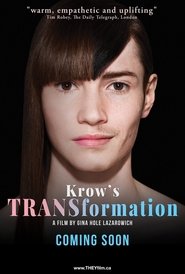
Krow's TRANSformation
2019
star 1Follow KROW's 3-year transition from teen 'female' model to becoming his true authentic self, not just as a transgender male, but also becoming an androgynous male model.Hunger in America
2014
Hunger in America
2014
Hunger in America is a powerful documentary tackling the hunger epidemic in America. Narrated by James Denton. What does the face of hunger look like? Is it a child in Ethiopia? An aging man in Somalia? Or a family in poverty-stricken India? This eye-opening documentary will change your whole perception on what hunger looks like. In America today, one in six people, including hard-working men and women, suburban families and children are struggling with hunger. Tonight, over 50 million Americans won't have enough food to eat by day's end. The face of hunger in America is not just the homeless, like everyone thinks. As it turns out, the face of hunger in America is the single mom, it's grandparents raising babies, it's the elderly, it's the infirm. This is their story...Kenny Scharf: When Worlds Collide
2020
star 7When Kenny Scharf arrived in NYC in the early 1980’s, he quickly met and befriended Keith Haring and Jean Michel Basquiat; There, amongst the fervent creative bustle of a depressed downtown scene the trio would soon change the way we think about art, the world, and ourselves. But unlike Haring and Basquiat, who both died tragically young, Kenny lived through cataclysmic shifts in the East Village as well as the ravages of AIDS and economic depression. 'When Worlds Collide' is about the art of fun, about living life out loud, despite setbacks, and about Kenny Scharf’s particular do-it- yourself, high-tone, technicolor artistic vision.Art in an Age of Mass Culture
1991
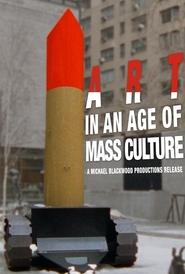
Art in an Age of Mass Culture pulls back the curtain and takes a look at the cultural climate surrounding MoMA's now famed exhibition, "High and Low: High Art and Popular Culture". Opening in the fall of 1990, the show placed a spotlight on the rapid merging of consumerism and the artistic avant-garde. Curated by Kirk Varnedoe and Adam Gopnik and featuring work from artists such as Jeff Koons and Roy Lichtenstein, "High and Low" ignites conversations of mass culture and our society's ever-changing relationship with the arts.Into the Fire: American Women in the Spanish Civil War
2002
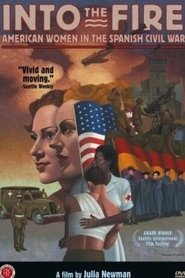
In 1936, a right-wing military coup tried to overthrow the new, legally elected, democratic government of Spain. Hitler and Mussolini quickly joined the fight on the side of the fascist military. In response, and against the wishes of the U.S. government, about 80 American women joined over 2700 of their countrymen to volunteer for the Republican side in the Spanish Civil War. This film is composed of interviews with and excerpts from the letters, journals, and published writings of some of these women, as well as of supporters and sympathizers including Martha Gellhorn, Eleanor Roosevelt, Virginia Cowles, Josephine Herbst, and Dorothy Parker.Sweep it Up, Swig it Down
1997
Gabi, Stefan and Henry used to work as street-sweepers for the city of Leipzig. A ruin is all that is left of the Municipal Street Cleaning Base of that time and the city Leipzig is moving after the reunion. The noise of air hammers are everywhere. Nowadays their daily routine has become fragile between social welfare office, pub, and their homes. There is always a remainder, something that doesn´t work out even.Odd People Out
2004
Odd People Out
2004
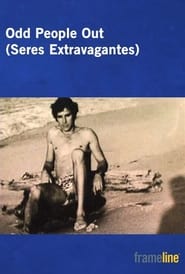
"Odd People Out" tracks the process of marginalization and the repression of homosexuals during the first two decades of the Cuban revolution through the biography of the writer Reinaldo Arenas—as told by himself and other intellectuals and artists who shared his life and suffered the repression of a regime that named them “extravagant.” For many years none of them existed; they were considered non-people. Filmed clandestinely in Cuba in 2003, "Odd People Out" was never exhibited on the island.Casting About
2005
Casting About
2005
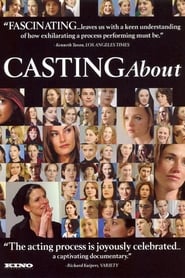
A lyrical, feature documentary that explores the captivating experience of casting actors. From the point of view of a filmmaker, we see and hear many of the 350 actresses who audition for three roles in a dramatic film. CASTING ABOUT includes footage from audition sessions held in Berlin, Boston, Chicago, London, and Los Angeles - weaving together actor interviews, monologues, and scene work to create an impressionistic collage of the casting experience.Following the Ninth: In the Footsteps of Beethoven's Final Symphony
2012
star 8.8Part road trip, part adventure story, FOLLOWING THE NINTH is an inspirational film about Beethoven's Choral Symphony, its majestic power to liberate us, to shield us against suffering, to provide hope and resilience during dark times. Filmed on five continents and in 12 countries, FOLLOWING THE NINTH is the story of four lives that have been transformed and repaired by the music, expressed most vividly in the prophecy of the Ode to Joy: “Alle Menschen werden Brüder”(All Men Will Be Brothers).Nobody's Business
1996
Nobody's Business
1996
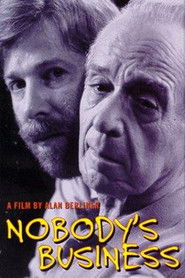
star 7.7Director Alan Berliner takes on his reclusive father as the reluctant subject of this affecting and graceful study of family history and memory. Ultimately this complex portrait is a meeting of the minds -- where the past meets the present, where generations collide and where the boundaries of family life are stretched, torn and surprisingly, at times, also healed. Berliner has transformed a story of a troubled man who has sealed himself off from life's pain into a work of universal resonance.The Incomparable Rose Hartman
2016
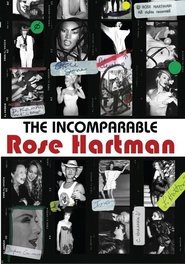
star 5With a career spanning decades Photographer Rose Hartman is known for her iconic photos from Studio 54 and the fashion world, her boisterous personality, and ever presence capturing the New York social scene. The film follows Rose through her life of entrée as she put the lives of the glamorous and famous on film that serves as one of the few visual histories of NYC.Europe in 8 Bits
2013
Europe in 8 Bits
2013
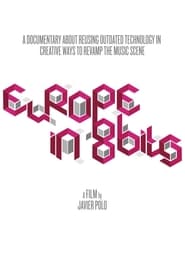
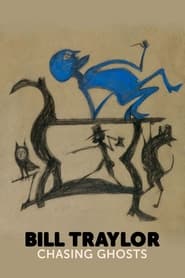
star 6.1The stars of Europe's ascendant chip music movement demonstrate the repurposing of old videogame and home computer hardware like Nintendo's GameBoy and NES, Atari's ST, and Commodore's Amiga and C64 into tools by which they have created a new sound, a modern tempo and an innovative musical style.Bill Traylor: Chasing Ghosts
2021
star 6This illuminating documentary explores the life of a unique American artist, a man with a remarkable and unlikely biography. Bill Traylor was born into slavery in 1853 on a cotton plantation in rural Alabama. After the Civil War, Traylor continued to farm the land as a sharecropper until the late 1920s. Aging and alone, he moved to Montgomery and worked odd jobs in the thriving segregated black neighborhood. A decade later, in his late 80s, Traylor became homeless and started to draw and paint, both memories from plantation days and scenes of a radically changing urban culture. He made well over a thousand drawings and paintings between 1939-1942. This colorful, strikingly modernist work eventually led him to be recognized as one of America’s greatest self-taught artists and the subject of a Smithsonian retrospective.The Two Faces of a Bamileke Woman
2018
star 6The return of a young filmmaker to her home country, Cameroon, and her reunion with her mother.Three Strings For Two Storytellers
2013
The very ancient tradition of a storyteller going from one valley to the next spreading news from the outside world is in decline. A couple with great experience with this street art, Gai Ying Mu and her husband Gai Ming He, only perform upon request. Unfortunately, to make a living from this art has become more and more difficult. Now, ten years after first filming, the Director returns to the family when the couple is to give a performance in a neighboring valley. Even if the casting of the little orchestra is bigger - three young apprentices now accompany the duo - the few spectators are much less enthusiastic than before. However, the show goes on and our couple adapts the old stories to current realities. The tradition of ancient storytelling remains alive: ancestral China stands up against the assaults of modernity.Bad Nazi - Good Nazi
2021
Bad Nazi - Good Nazi
2021
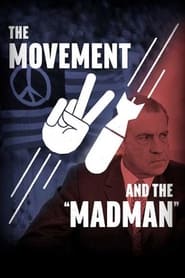
He is known as the Nazi officer who saves "The Pianist" -Wladyslaw Szpilman, in the Roman Polanski film, but his German hometown from which he ran the local school and went to the war, still refuses to recognize him as a hero. 70 years after the end of the war, a group of residents demand to commemorate the Nazi Officer, Wilm Hosenfeld, in the local school and the reactions are stormy. In the meantime, Hosenfeld's grandchildren discover their grandfather's secret diaries in which he documented Nazi war crimes and they embark on a journey of discovery. During this journey, they will find out that their grandfather was a serial savior and aside from "The Pianist", another 60 people owe him their lives.The Movement and the "Madman"
2023
The MOVEMENT and the "MADMAN" shows how two antiwar protests in the fall of 1969 — the largest the country had ever seen — caused President Nixon to cancel what he called his “madman” plans for a massive escalation of the U.S. war in Vietnam, including his threats to use nuclear weapons. At the time, protestors had no idea what they had prevented and how many lives they had saved. Told as a political thriller, the film is a David-and-Goliath tale that will engage viewers in a you-are-there experience with insider accounts from movement leaders and Nixon officials, commentary by historians, and illustrated with dynamic archival footage.Room Without a View
2021
Room Without a View
2021
Slavery has never ended. It has just assumed other names and ways to conceal itself. Roser Corella’s film zooms in on Beirut, where the upper class on a large scale hires maids from countries such as Ethiopia, Kenya and the Philippines through agencies that advise people how to cheat and manipulate the young women to work full-time (literally) for meagre wages. An upsetting revelation, but Corella keeps a cool head and tears the inhuman ‘kafala’ system apart piece by piece. She analyses the situation in both words and images, but it is the underpaid maids themselves who provide the conclusion in the form of demonstrations, protests and demands for proper working conditions. ‘Room without a View’, the title of which describes the rooms made available to the women, combines an artistic and an investigative approach to its exposition of the abominable monster that is modern slavery. A film that is highly topical in all parts of the world - unfortunately.