Popular Documentary Movies on Kanopy - Page 241
All Services
Free Services
 Netflix
 Amazon Prime Video
 Apple iTunes
 Apple TV Plus
 Disney Plus
 Google Play Movies
 Paramount Plus
 Hulu
Hulu
 HBO Max
 YouTube
 fuboTV
 Peacock
 Peacock Premium
 Amazon Video
 The Roku Channel
 AMC+
AMC on Demand
AMC+
AMC on Demand
 Kocowa
 Hoopla
 The CW
 Vudu
Vudu
 Starz
Starz
 Showtime
 PBS
PBS
 Pantaflix
 FXNow
FXNow
 Tubi TV
 Kanopy
 Comedy Central
 Crunchyroll
 Microsoft Store
 Redbox
 Sun Nxt
 ABC
ABC
 DIRECTV
 Crackle
 Fandor
 Plex
Plex
Netflix
Amazon Prime Video
Apple iTunes
Apple TV Plus
Disney Plus
Google Play Movies
Paramount Plus
Hulu
HBO Max
YouTube
fuboTV
Peacock
Peacock Premium
Amazon Video
The Roku Channel
AMC+
AMC on Demand
Kocowa
Hoopla
The CW
Vudu
Starz
Showtime
PBS
Pantaflix
FXNow
Tubi TV
Kanopy
Comedy Central
Crunchyroll
Microsoft Store
Redbox
Sun Nxt
ABC
DIRECTV
Crackle
Fandor
Plex

The City that Sold America
2018
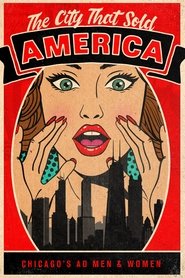
star 7At the threshold of the 20th Century, a melting pot of adventurous immigrants, creative mavericks, and freedom-seeking African Americans shaped consumerism as we now know it. The new documentary THE CITY THAT SOLD AMERICA reveals, with intriguing insights and wistful nostalgia, the confluence of Chicago's creative talent, business savvy, grit and determination that changed the country and our relationship with popular culture.Red Dot on the Ocean: The Matt Rutherford Story
2014
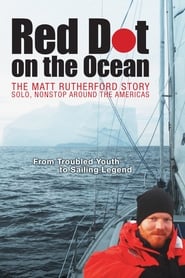
star 7Red Dot on the Ocean is the story of Matt Rutherford, a severely troubled youth, who became a sailing legend. Departing Annapolis, MD in a scrappy old 27-foot fiberglass sloop without fanfare, 30-year-old Rutherford braved the icebergs of the arctic and mountainous waves of Cape Horn to become the only person to ever sail single-handed, non-stop around the Americas; a 27,000 mile journey many professional sailors declared "a suicide mission."My Husband, the Cyborg
2025
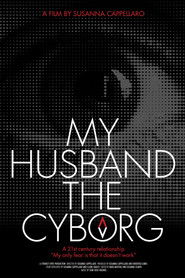
star 7With incredible intimacy, filmmaker Susanna Cappellaro documents her husband Scott’s decision to have an extrasensory device implanted into his body in order to increase his awareness of the world around him. As Scott goes further down this path, he can't understand his wife's resistance.Just Do It: A Tale of Modern-day Outlaws
2011
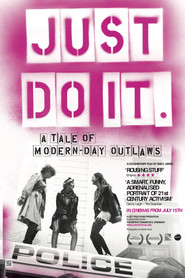
star 5.5The world of environmental direct action has been a secretive one, until now. With unprecedented access, Emily James spent over a year embedded in activist groups such as Climate Camp and Plane Stupid, documenting their clandestine activities. Torpedoing the tired cliches of the environmental movement, Just Do It introduces you to a powerful cast of mischievous and inspiring characters who put their bodies in the way. They super-glue themselves to bank trading floors, blockade factories and attack coal power stations en-masse all despite the very real threat of arrest. Their adventures will entertain, illuminate and inspire.A Small Good Thing
2015
A Small Good Thing
2015
star 7We've sought ease, comfort and wealth - but are people happier with more money? What is the science behind a good life? Following several people over a typical year, "A Small Good Thing" looks at the simple sources of human happiness.Good Times, Wonderful Times
1966
star 4.4Lionel Rogosin's plea for humanity and against war and fascism. For two years, Rogosin traveled to twelve countries to collect footage of war atrocities from their archives. He interspersed these harrowing images with scenes of a London cocktail party's mundane chatter. Good Times, Wonderful Times was released in 1964 at the height of the Vietnam War, and became one of the great anti-war films of the era.A Journey Into the Holocaust
2015
star 7.3A detailed and deeply personal exploration into genocide and how something this atrocious happened, and continues to happen again and again - even in modern times. First-time filmmaker, Paul Bachow, travels around the world and taps into a vast knowledge base of historians, psychology practitioners, and data derived from countless interviews with experts from around the world.Cocaine Prison
2019
Cocaine Prison
2019
star 6.2From inside Bolivia's craziest prison a cocaine worker, a drug mule and his little sister reveal the countries relationship with cocaine.Two American Families
2013
star 7A TV documentary following two American families from 1991 to 2013, chronicling their struggles while trying to maintain their place in the American middle classA Towering Task: The Story of the Peace Corps
2019
In 1961, President John F. Kennedy gave young Americans the opportunity to serve their country in a new way by forming the Peace Corps. Since then, more than 200,000 of them have traveled to more than 60 countries to carry out the organization's mission of international cooperation. Nearly 60 years later, Americans-young and old alike-still want to serve their country and understand their place in the world; current volunteers work at the forefront of some of the most pressing issues facing the global community – yet the agency has struggled to remain relevant amid sociopolitical change.Still Doing It
2004
Still Doing It
2004
Flying in the face of this culture's extreme ageism, STILL DOING IT explores the lives of older women. Partnered, single, straight, gay, black and white; nine extraordinary women, age 67-87, express with startling honesty and humor how they feel about themselves, sex and love in later life and the poignant realities of aging. Outspoken for their generation, these women mark a sea change. Women over 65 have been the fastest growing part of the population for decades, but with boomers turning 65, the number of older women is skyrocketing. Still Doing It looks at this society's complex relationship to women and aging with surprising and revelatory results.The Red Tail
2009
The Red Tail
2009
On August 19, 2005 Roy Koch, along with 4,400 airline mechanics, custodians, and cleaners, went on strike against Northwest Airlines, the fourth largest airline in the world. Northwest, otherwise known as “The Red Tail” by its employees, wanted to lay off 53% of their union and outsource their jobs. What followed was a 444-day strike that would end with 4,000 union members out of work, including Roy.The Beat Hotel
2012
The Beat Hotel
2012
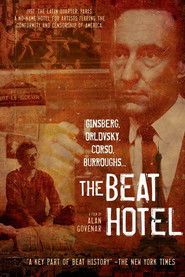
star 4.5The Beat Hotel, a new film by Alan Govenar, goes deep into the legacy of the American Beats in Paris during the heady years between 1957 and 1963, when Allen Ginsberg, Peter Orlovsky and Gregory Corso fled the obscenity trials in the United States surrounding the publication of Ginsberg’s poem Howl. They took refuge in a cheap no-name hotel they had heard about at 9, Rue Git le Coeur and were soon joined by William Burroughs, Ian Somerville, Brion Gysin, and others from England and elsewhere in Europe, seeking out the “freedom” that the Latin Quarter of Paris might provide.Subtango: The Spirit of Tango
2000
A journey to the Buenos Aires underground tango culture, where the elusive soul of tango is to be found... Even after a century of history, after enshrinement as the national music, after rampant commercialization and packaging for export, the tango still speaks to the Argentine soul. Subtango shows how tango music, dance, art and poetry are an essential part of the emotional expression of regular people, featuring the gamblers, ramblers and barroom prophets of the Buenos Aires night, playing weather-beaten accordions and singing old tangos of heartbreak and resentment.Norman Rockwell: An American Portrait
2002
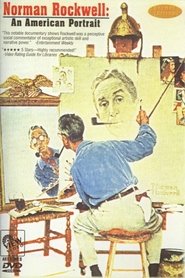
Biography of the American Painter and Illustrator, Norman Rockwell.The War of 33: Letters from Beirut
2008
The War of 33 is an intimate, personal and powerful telling of the story of the 2006 war in Lebanon. A series of letters written by Hanady Salman--a mother living through the war in Beirut--carve a narrative arc through the intense and haunting images of conflict. She tells the stories of her family and the people she lives the war with--the refugees, the wounded, and the everyday Lebanese, struggling to maintain their sanity and their humanity during a time of war.American Commune
2013
American Commune
2013
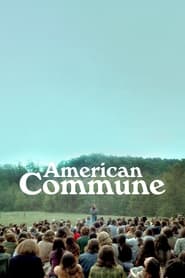
star 6.5In 1970, hundreds of hippies followed Stephen Gaskin on a journey from San Francisco to Tennessee, where they founded a legendary commune known as the Farm. Within this self-sustaining society based on non-violence, vegetarianism and respect for the earth, members willingly took a vow of poverty, lived in converted buses, grew their own food and home-delivered babies. Born and raised in this alternative community, filmmakers and sisters Rena and Nadine return for the first time since leaving in 1985. Finally ready to face the past after years of hiding their upbringing, they chart the rise and fall of America’s largest utopian socialist experiment and their own family tree. The nascent idealism of a community destroyed, in part, by its own success is reflected in the personal story of a family unit split apart by differences. American Commune finds inspiration in failure, humour in deprivation and, most surprisingly, that communal values are alive and well in the next generation.Liahona
2013
Liahona
2013
star 5Liahona is an experimental documentary examining the culture, history, and lived experience of the Church of Jesus Christ of Latter-Day Saints, often referred to as the Mormon faith. The film creates a portrait of Mormonism through documentation of LDS cultural dominance in Utah, the suppressed history of folk magic in the early church, landmark Mormon life experiences, and my personal history and connection to the church. Found media with the voices of outsiders and insiders illuminate a religion that intrigues many, but is seen as mysterious or inaccessible. Liahona shifts through perspectives on the faith – from reverence to questioning, presenting the complexities of the vast institution of Mormonism contrasted with the tenuity of individual faith.The Most Dangerous Year
2018
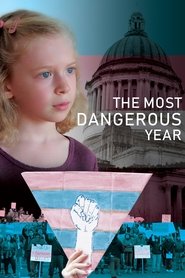
star 4.2Washington state lawmakers, activists and parents embark on a crusade to protect the civil rights of transgender children.New York: The City and the World
2001
star 10Episode Seven of the New York: A Documentary. In the aftermath of World War II, southern African-Americans moved north and Puerto Rican immigrants poured into the city, a trend which would continue for the next thirty years. Robert Moses waged a campaign of urban renewal, including adding highways to the city, hastening white flight to the suburbs. The destruction of the old Penn Station in 1963 and the protests against Moses's plans for the Lower Manhattan Expressway led to the creation of the New York City Landmarks Preservation Commission, ensuring the survival of New York's most architecturally important buildings and neighborhoods. Social and financial crises in the 1960s and 1970s took a toll on the city, but New York's revival since the 1970s has been enduring.