Popular Documentary Movies on Kanopy - Page 93
All Services
Free Services
 Netflix
 Amazon Prime Video
 Apple iTunes
 Apple TV Plus
 Disney Plus
 Google Play Movies
 Paramount Plus
 Hulu
Hulu
 HBO Max
 YouTube
 fuboTV
 Peacock
 Peacock Premium
 Amazon Video
 The Roku Channel
 AMC+
AMC on Demand
AMC+
AMC on Demand
 Kocowa
 Hoopla
 The CW
 Vudu
Vudu
 Starz
Starz
 Showtime
 PBS
PBS
 Pantaflix
 FXNow
FXNow
 Tubi TV
 Kanopy
 Comedy Central
 Crunchyroll
 Microsoft Store
 Redbox
 Sun Nxt
 ABC
ABC
 DIRECTV
 Crackle
 Fandor
 Plex
Plex
Netflix
Amazon Prime Video
Apple iTunes
Apple TV Plus
Disney Plus
Google Play Movies
Paramount Plus
Hulu
HBO Max
YouTube
fuboTV
Peacock
Peacock Premium
Amazon Video
The Roku Channel
AMC+
AMC on Demand
Kocowa
Hoopla
The CW
Vudu
Starz
Showtime
PBS
Pantaflix
FXNow
Tubi TV
Kanopy
Comedy Central
Crunchyroll
Microsoft Store
Redbox
Sun Nxt
ABC
DIRECTV
Crackle
Fandor
Plex

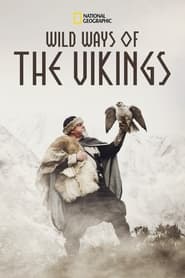
Wild Ways of the Vikings
2019
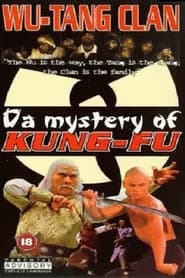
star 6.6Ewan McGregor narrates a unique nature special looking at the wildlife of the North Atlantic through the eyes of the Vikings. Combining historical re-enactment with jaw-dropping Natural History sequences, Wild Way of the Vikings features vast herds of reindeer, huge gannet colonies, cute Arctic foxes, seal-hunting orca, mystical ravens and giant walruses.Wu Tang Clan - Da Mystery of Kung Fu
1998
star 2.5Lyrical Assassins, Wu Tang Clan, reveal da mystery of Kung Fu in this ass kickin' dub plate presentation. The GZA, Chef Raekwon, Method Man, Ol' Dirty Bastard, and the rest of the Wu Tang posse take a hard ride thru their world of lyrics and the Kung-Fu Movies that they have sampled on their albums. The Wu Tang posse also talk about the close association that the Movies have had on their music and lifestyle. "Da Mystery of Chess Boxing", "Shaolin V. Wu-Tang", and "The 36 Chambers" are just some of the many classic Kung-Fu Movies in this living show...Top Fighter 2
1996
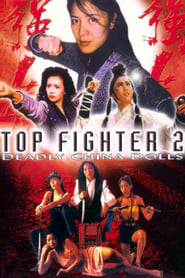
Top Fighter 2
1996
star 4.6The sequel to "Top Fighter" focuses on the importance of women in martial arts movies, from starting as the "hero's girl" to becoming superstars by themselves. Featuring Angela Mao, Michelle Yeoh, Cynthia Rothrock and more.10 Questions for the Dalai Lama
2006
star 7.1How do you reconcile a commitment to non-violence when faced with violence? Why do the poor often seem happier than the rich? Must a society lose its traditions in order to move into the future? These are some of the questions posed to His Holiness the Dalai Lama by filmmaker and explorer Rick Ray. Ray examines some of the fundamental questions of our time by weaving together observations from his own journeys throughout India and the Middle East, and the wisdom of an extraordinary spiritual leader. This is his story, as told and filmed by Rick Ray during a private visit to his monastery in Dharamsala, India over the course of several months. Also included is rare historical footage as well as footage supplied by individuals who at great personal risk, filmed with hidden cameras within Tibet.Black Hole Apocalypse
2018
star 7.4Astrophysicists show how black holes might hold answers to how the universe evolved, leading to life on Earth and, ultimately, the human race.The Rape of Europa
2007
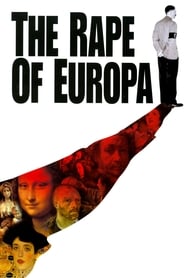
The Rape of Europa
2007
star 7.4World War II was not just the most destructive conflict in humanity, it was also the greatest theft in history: lives, families, communities, property, culture and heritage were all stolen. The story of Nazi Germany's plundering of Europe's great works of art during World War II and Allied efforts to minimize the damage.Taking Root: The Vision of Wangari Maathai
2008
star 6.2This documentary provides a window into the extraordinary life of activist and Nobel Laureate Wangari Maathai, a Kenyan woman who has worked to regain ownership of her country and its fate after years of colonialism. While gentle and thoughtful, Maathai carries a powerful message: the First World holds much of the responsibility for the environmental, economic and social struggles of the developing world.Directed by Andrei Tarkovsky
1988
star 7.6This documentary offers a rare glimpse of the legendary Soviet filmmaker, Andrei Tarkosvky, at work. Tarkovsky made only seven films in his brief, but brilliant, career; Michal Leszczylowski's respectful movie chronicles him at work on his last film, The Sacrifice. Offering insight into Tarkovsky's working methods and transcendental aesthetics, the movie is a compelling account of the difficulties of film production. In the case of an uncompromising and visionary filmmaker like Tarkovsky, the practical problems of filmmaking are only magnified, as cast and crew struggle to realize the ambitious concepts in Tarkovsky's mind.All In This Tea
2007
All In This Tea
2007
star 7.4During the 1990s, David Lee Hoffman searched throughout China for the finest teas. He's a California importer who, as a youth, lived in Asia for years and took tea with the Dali Lama. Hoffman's mission is to find and bring to the U.S. the best hand picked and hand processed tea. This search takes him directly to farms and engages him with Chinese scientists, business people, and government officials: Hoffman wants tea grown organically without a factory, high-yield mentality. By 2004, Hoffman has seen success: there are farmer's collectives selling tea, ways to export "boutique tea" from China, and a growing Chinese appreciation for organic farming's best friend, the earthworm.Cassandro the Exotico!
2018
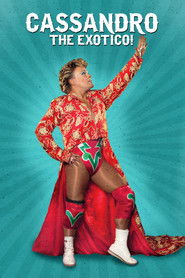
star 5.4After 26 years of spinning dives and flying uppercuts on the ring, Cassandro, the star of the gender-bending cross-dressing Mexican wrestlers known as the Exoticos, is far from retiring. But with dozens of broken bones and metal pins in his body, he must now reinvent himself.Gambling on Extinction
2015
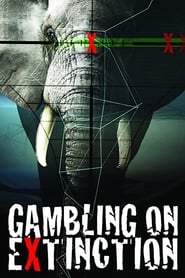
star 6Today, only 3,200 tigers roam in the wild. At the current rate of poaching, elephants, rhinos and tigers living in the wild will be extinct in our lifetime. Who are the global players in this deadly game of power, greed and profit? Who pulls the strings and who are the customers? And why have ivory and rhino horn become perfect investment opportunities?Witness Theater
2019
Witness Theater
2019
Aron is 88 years old, Eazek is 94 and Claudine is 89. Over seventy years ago, although they lost their entire families, they survived the holocaust and resettled in New York City. Now they are sharing their stories in a unique program led by a drama therapist with high-school students in Brooklyn. The hope is that this sharing will sensitize the students and give some closure to the adult survivors after all these years. The Witness Theater workshop they participate in culminates in the performance of a play based on Survivor stories.Happy
2012
Happy
2012
star 7.1Happy is a 2011 feature documentary film directed, written, and co-produced by Roko Belic. It explores human happiness through interviews with people from all walks of life in 14 different countries, weaving in the newest findings of positive psychology. Director Roko Belic was originally inspired to create the film after producer/director Tom Shadyac (Liar, Liar, Patch Adams, Bruce Almighty) showed him an article in the New York Times entitled "A New Measure of Well Being From a Happy Little Kingdom". The article ranks the United States as the 23rd happiest country in the world. Shadyac then suggested that Belic make a documentary about happiness. Belic spent several years interviewing over 20 people, ranging from leading happiness researchers to a rickshaw driver in Kolkatta, a family living in a "co-housing community" in Denmark, a woman who was run over by a truck, a Cajun fisherman, and more.Splice Here: A Projected Odyssey
2022
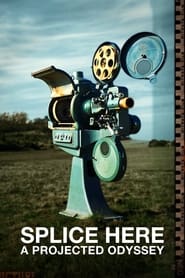
star 8A 'cine-ramic' roller-coaster ride through the rise, fall and re-birth of projected film.Poetry in Motion
1982
Poetry in Motion
1982
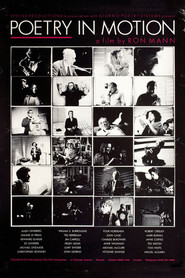
star 7More than 20 contemporary North American poets recite, sing, and perform their work. Early in the film, Charles Bukowski talks about the energy of poets and of a poem. These poets are the children of Walt Whitman and of Charles Olson, incantatory and oratorical, radical, sometimes incorporating contemporary political imagery. Black Mountain poets, the Beats, minimalists like John Cage, the wordless Four Horsemen, Tom Waits, and others capture aspects of poets as troubadours.Hired Gun
2017
Hired Gun
2017
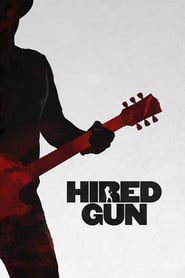
star 7A documentary film about session and touring musicians that are hired by well-established and famous bands and artists. These people may not be household names, but are still top-notch performers!Why We Fight: The Battle of China
1944
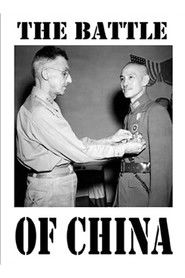
star 6.5The sixth film of Frank Capra's Why We Fight propaganda film series illustrates Japan's occupation of China, including Madame Chiang Kai-Shek's stirring address before congress, the rape of Nanking, the great 2,000 mile migration, and Claire Chennault's Flying Tigers.Proteus: A Nineteenth Century Vision
2004
star 4The animated documentary Proteus explores the nineteenth century's engagement with the undersea world through science, technology, painting, poetry and myth. The central figure of the film is biologist and artist Ernst Haeckel, who found in the depths of the sea an ecstatic and visionary fusion of science and art.Berkeley in the Sixties
1990
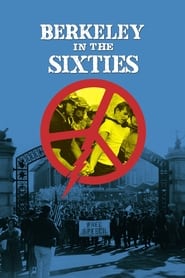
star 5.8A documentary about militant student political activity at the University of California, Berkeley in the 1960s.The United States of Insanity
2021
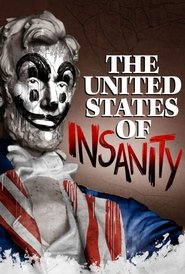
star 8.5The story of controversial rap duo Insane Clown Posse (ICP), their fans, and their ongoing struggle with the FBI in a landmark case that may be a bellwether of change for First Amendment rights in America.