Popular Documentary Movies on Kanopy - Page 94
All Services
Free Services
 Netflix
 Amazon Prime Video
 Apple iTunes
 Apple TV Plus
 Disney Plus
 Google Play Movies
 Paramount Plus
 Hulu
Hulu
 HBO Max
 YouTube
 fuboTV
 Peacock
 Peacock Premium
 Amazon Video
 The Roku Channel
 AMC+
AMC on Demand
AMC+
AMC on Demand
 Kocowa
 Hoopla
 The CW
 Vudu
Vudu
 Starz
Starz
 Showtime
 PBS
PBS
 Pantaflix
 FXNow
FXNow
 Tubi TV
 Kanopy
 Comedy Central
 Crunchyroll
 Microsoft Store
 Redbox
 Sun Nxt
 ABC
ABC
 DIRECTV
 Crackle
 Fandor
 Plex
Plex
Netflix
Amazon Prime Video
Apple iTunes
Apple TV Plus
Disney Plus
Google Play Movies
Paramount Plus
Hulu
HBO Max
YouTube
fuboTV
Peacock
Peacock Premium
Amazon Video
The Roku Channel
AMC+
AMC on Demand
Kocowa
Hoopla
The CW
Vudu
Starz
Showtime
PBS
Pantaflix
FXNow
Tubi TV
Kanopy
Comedy Central
Crunchyroll
Microsoft Store
Redbox
Sun Nxt
ABC
DIRECTV
Crackle
Fandor
Plex

Empathy
2017
Empathy
2017
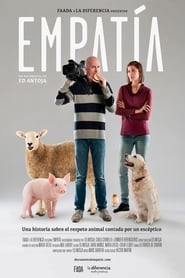
star 6.6Ed is commissioned to make a documentary intending to change those habits of society that are harmful to animals. But completely alien to the animal protection movement, he will realize that to carry out the project, he must first convince himself.Marianne & Leonard: Words of Love
2019
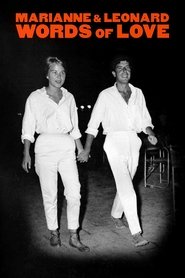
star 6.3A story of enduring love between Leonard Cohen and his Norwegian muse, Marianne Ihlen. The film follows their relationship from their early days in Greece, a time of "free love" and open marriage, to how their love evolved when Leonard became a successful musician.Let There Be Light
1946
Let There Be Light
1946
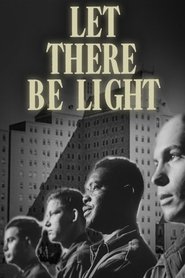
star 7.3The final entry in a trilogy of films produced for the U.S. government by John Huston. Some returning combat veterans suffer scars that are more psychological than physical. This film follows patients and staff during their treatment. It deals with what would now be called PTSD, but at the time was categorised as psychoneurosis or shell-shock. Government officials deemed this 1946 film counterproductive to postwar efforts; it was not shown publicly until 1981.Our Friend Jon
2020
Our Friend Jon
2020
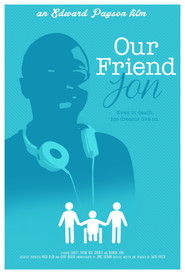
Before Jon Hernandez passed away due to complications stemming from Sickle Cell Anemia, he was writing a horror film he wanted to make with his friends. Upon his untimely death his friends (all whom have their own disabilities) decide to make the film in Jon's honor, even though they have no clue where to start. This is that story.Through the Night
2021
Through the Night
2021
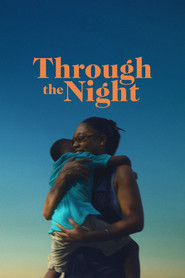
star 5.7When one’s sole focus is to provide for their children, the stakes are extremely high. The need for multiple jobs to make ends meet has become a common reality for many families in this country, which leads to a very important question: who looks after the children while their parents work? Through the Night examines the economic and emotional toll affecting some American families, told through the lens of a 24-hour daycare center in Westchester, New York. At the center of it all is Nunu, the primary caregiver and a hero to many families in need of a safe space to bring their children.Who Took Johnny
2014
Who Took Johnny
2014
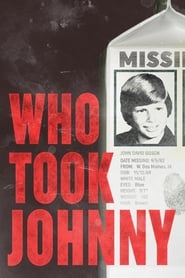
star 6.9An examination of the infamous thirty-year-old cold case of Iowa paperboy Johnny Gosch, the first missing child to appear on a milk carton. The film focuses on Johnny’s mother, Noreen Gosch, and her relentless quest to find the truth about what happened to her son. Along the way there have been mysterious sightings, bizarre revelations, and a confrontation with a person who claims to have helped abduct Johnny.Kids Cup
2021
Kids Cup
2021
star 7.5Kids Cup is a character driven coming-of-age family film from the world´s largest sports tournament for kids. We dive into a teenage universe and follow 13-14 year olds from different parts of the world, competing at the football tournament, Norway Cup, in Oslo.Pride of the Buffalo Soldier
2017
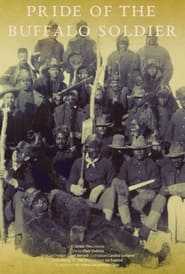
African American soldiers throughout the 19th and 20th Centuries faced discrimination and segregation, yet many still chose to fight for their country.Scenes from the Glittering World
2021
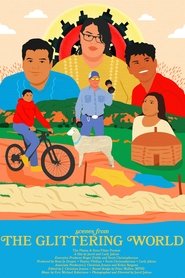
At the farthest edge of the Navajo Nation, the purpose and future of the most remote high school in the continental United States is in question while three Indigenous youth grapple with ambitious dreams, family responsibilities, and the isolated nature of their community.Jean-Michel Basquiat, artiste absolu
2022
star 6The life and work of New York artist Jean-Michel Basquiat have been marked by a long quest for identity, by his Haitian and Puerto Rican family origins and by a founding trip to Africa. To portray this major painter of the 20th century, who died in 1988 at only 27 years old, is also to evoke the place of black American artists in the conservative and racist America of the Reagan years.The Unconquered
1954
The Unconquered
1954
star 7.3Narrated by actress Katharine Cornell and filmed in black and white, it spends the first 24 minutes introducing viewers, through newsreels, interviews, and old photographs, to the story of the deaf and blind disabled-rights pioneer. News footage shows her international appearances and visits with heads of state, including President Eisenhower allowing her to feel his face. The second half takes a day-in-the-(exceptional)-life approach to Keller's existence circa 1955. Made just 13 years before her death, Keller's famed tutor-translator-friend Anne Sullivan had already died, leaving her live-in replacement, Polly Thomson, to share the film's focus. From the time Keller takes her morning walk along the 1,000-foot handrail around her yard through her workday to her nightly reading of her Braille Bible, her serene acceptance of her life will amaze and inspire. Preserved by the Academy Film Archive in 2006.La Buena Vida - The Good Life
2015
star 7.2The village of Tamaquito lies deep in the forests of Colombia. Here, nature provides the people with everything they need. But the Wayúu community's way of life is being destroyed by the vast and rapidly growing El Cerrejón coal mine. Determined to save his community from forced resettlement, the leader Jairo Fuentes negotiates with the mine's operators, which soon becomes a fight to survive.Time Thieves
2018
Time Thieves
2018
star 7.8Forget water, oil and rare earths - there is a new resource everyone wants: our time. This documentary investigates how time has become money, and how we can claim back control over this precious but finite resource.Minds in the Water
2012
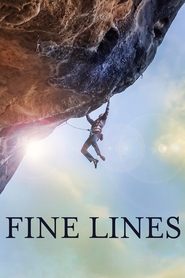
Fine Lines
2019
Fine Lines
2019
star 6For nearly three years, director Dina Khreino interviewed world-class mountain climbing athletes, listening to what compels them to leave behind families, friends, and everyday comforts to risk everything for a fleeting glimpse into the unknown. What she found was a tribe, a diverse group of professional adventurers and amateur philosophers forged by the ultimate test of body, mind, and spirit. In the face of shifting winds, sheer granite cliffs, and impossible odds, they climb. Each for their own reason, but every one connected by the vertical world. In this rarefied air, these athletes are fundamentally changed, not just as climbers, but as human beings.The Monopoly of Violence
2020
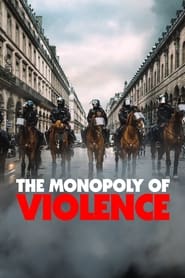
star 7.3As anger and resentment grow in the face of social inequalities, many citizens-led protests are being repressed with an ever-increasing violence. In this documentary, David Dufresne gathers a panel of citizens to question, exchange and confront their views on the social order and the legitimacy of the use of force by the State.Refugee
2016
Refugee
2016
star 5.5Five acclaimed photographers travel the world to provide detailed insight into the difficult conditions faced by refugees who dream of a better life.El Bulli: Cooking in Progress
2011
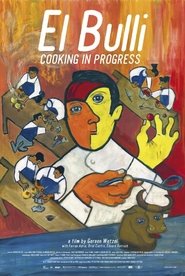
star 5.3For six months of the year, renowned Spanish chef Ferran Adria closes his restaurant El Bulli -- repeatedly voted the world's best -- and works with his culinary team to prepare the menu for the next season. An elegant, detailed study of food as avant-garde art, EL BULLI: COOKING IN PROGRESS is a rare inside look at some of the world's most innovative and exciting cooking; as Adria himself puts it, "the more bewilderment, the better!"The Squad
2020
The Squad
2020
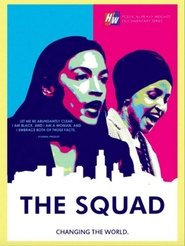
star 10Meet THE SQUAD: four fearless women of color under fifty elected in the 2018 United States House of Representatives elections. They are Alexandria Ocasio-Cortez of New York, Ayanna Pressley of Massachusetts, Ilhan Omar of Minnesota, and Rashida Tlaib of Michigan. Get to know The Squad in this hard-hitting new political documentary.Seed: The Untold Story
2016
star 6.3A film about the importance of heirloom seeds to the agriculture of the world, focusing on seed keepers and activists from around the world.