Top Rated Documentary Movies - Page 317
All Services
Free Services
 Netflix
 Amazon Prime Video
 Apple iTunes
 Apple TV Plus
 Disney Plus
 Google Play Movies
 Paramount Plus
 Hulu
Hulu
 HBO Max
 YouTube
 fuboTV
 Peacock
 Peacock Premium
 Amazon Video
 The Roku Channel
 AMC+
AMC on Demand
AMC+
AMC on Demand
 Kocowa
 Hoopla
 The CW
 Vudu
Vudu
 Starz
Starz
 Showtime
 PBS
PBS
 Pantaflix
 FXNow
FXNow
 Tubi TV
 Kanopy
 Comedy Central
 Crunchyroll
 Microsoft Store
 Redbox
 Sun Nxt
 ABC
ABC
 DIRECTV
 Crackle
 Fandor
 Plex
Plex
Netflix
Amazon Prime Video
Apple iTunes
Apple TV Plus
Disney Plus
Google Play Movies
Paramount Plus
Hulu
HBO Max
YouTube
fuboTV
Peacock
Peacock Premium
Amazon Video
The Roku Channel
AMC+
AMC on Demand
Kocowa
Hoopla
The CW
Vudu
Starz
Showtime
PBS
Pantaflix
FXNow
Tubi TV
Kanopy
Comedy Central
Crunchyroll
Microsoft Store
Redbox
Sun Nxt
ABC
DIRECTV
Crackle
Fandor
Plex

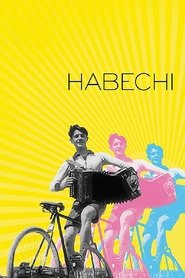
In Spring
1929
In Spring
1929
star 6.5Kyiv, 1929. Shots of the city as it wakes up... its awakening echoes with the lyrical pictures of the rebirth of nature. Kaufman’s attentive camera pauses for a long time on the smiling faces of children, painting a lyrical picture, a confession of love for Kyiv.Blue Eyed
1996
Blue Eyed
1996
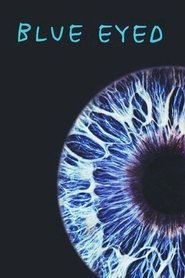
star 7.1In only 15 minutes with some 30 people Jane Elliott manages to build up a realistic microcosmos of society today with all its phenomena and feelings. As already known from the ill reputed Milgram experiment, even participants who knew the "rules" are unable to remain uninvolved. What starts as a game turns into cruel reality which causes some participants' emotions to erupt with unforeseen intensityPortrait: Werner Herzog
1986
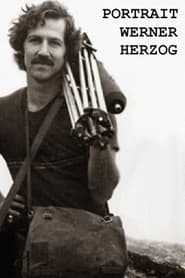
star 7.1An autobiographical short film by Werner Herzog made in 1986. Herzog tells stories about his life and career. The film contains excerpts and commentary on several Herzog films, including Signs of Life, Heart of Glass, Fata Morgana, Aguirre, the Wrath of God, The Great Ecstasy of Woodcarver Steiner, Fitzcarraldo, and the Les Blank documentary Burden of Dreams. Notable is footage of a conversation between Herzog and his mentor Lotte Eisner, a photographer. In another section, he talks with mountaineer Reinhold Messner, in which they discuss a potential film project in the Himalayas to star Klaus Kinski.Sex in a Cold Climate
1998
star 6.9Interlocking interviews of 4 women interred in various Magdalene asylums and/or orphanages because of out-of-wedlock pregnancies, being sexually assaulted, or just being "too pretty".The Human Family Tree
2009
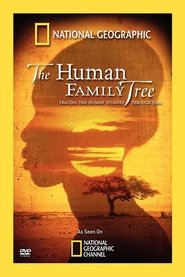
star 7.2Dr Spencer Wells retraces the footsteps of 200 random New Yorkers and proves they are all cousins. On the most diverse street in the most diverse city in the most diverse country in the world, a team of National Geographic scientists swab the cheeks of some 200 random New Yorkers. The goal: to retrace our ancestral footprints and prove we are all cousins in the “family of man.” Cutting edge science, coupled with a cast of New Yorkers – each with their own unique genetic history - will help paint a picture of these amazing journeys. Ultimately, Man’s First Migrations answers some of humanity’s most burning questions, such as who we are and where we come from, and forces us to change how we think not only about our relationships with our neighbours, but ourselves.Letter to Jane: An Investigation About a Still
1974
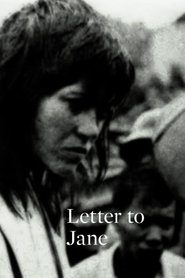
star 7The film's subject is a photograph of Jane Fonda visiting Hanoi during the Vietnam War. It asks what the position of the intellectual should be in the class struggle and points out the irony of Jane Fonda's participation in the photo shoot, which was staged.The Eastwood Factor
2010
The Eastwood Factor
2010
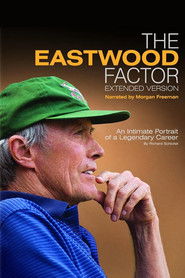
star 6For 35 years Clint Eastwood has called Warner Bros. home. In The Eastwood Factor, film historian Richard Schickel ventures beyond Eastwood’s tough, iconic screen personas to reveal the easygoing and thoughtful man behind the magic. Morgan Freeman narrates this insightful profile that features memorable film clips and visits to movie locations, the Warner Bros. lot and Eastwood’s hometown Carmel where, with humor, candor and intelligence, Eastwood illuminates the craft behind his legendary work on both sides of the camera to create a rare experience that is pure, unadulterated Clint.Jazz Dance
1954
Jazz Dance
1954
star 5.5Few films wield the awesome spiritual power of Jazz Dance, on which Leacock was one of two cameramen charting the slow, smoldering build of a Manhattan dance club from idle space to explosive, carnal bacchanal. Employing handheld cameras, limited light and sheer proximity, the film achieved an intimacy never before witnessed in a documentary.Belarmino
1964
Belarmino
1964
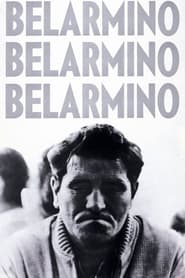
star 7.4A portrait of Belarmino Fragoso, a veteran boxer in Lisbon nearing the end of his career. In a blend of reportage and re-enactment, the many vices of the once national featherweight champion are revealed against a background of the grim economics of boxing in 1960s Portugal.Hanoi, Tuesday 13th
1969
Hanoi, Tuesday 13th
1969
star 6.3In December 1967, a Cuban film crew led by Santiago Alvarez, the veteran polemicist, travelled to Hanoi. They shot the footage which constitutes this short documentary all in one day - Tuesday 13. The film is the story of that day and what happened to the North Vietnamese people in the course of it.Cologne: From the Diary of Ray and Esther
1939
star 5.2An amateur documentary focused on the community of Cologne, Minnesota, circa 1939.Maria-Conception-Action: Hermann Nitsch
1970
star 3.6A performance of Hermann Nitsch's "7th Abreaction Action", which was initially banned by police, is put on the following morning instead. The action consists of gutting a lamb, pouring the innards over a recumbent woman, mating with a dildo, crucifixion and a concluding scuffle. The action is accompanied by electric organ, percussion and recorded music.Jan 69
2004
Soviet Elegy
1989
Soviet Elegy
1989
star 4.9In "The Soviet Elegy" the long train of photos of the Soviet leaders, dead or alive, stops at the portrait of Yeltsin. At the time of shooting Yeltsin had fallen down from the assembly of the Communist Party deities, and participated in the earthly life through connections of different kinds.Lucky Three: An Elliott Smith Portrait
1997
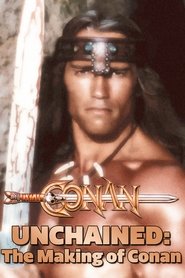
star 7Described as "a cross between a video and a documentary, but actually being neither of the two", singer/songwriter Elliott Smith plays three acoustic songs in this Jem Cohen-directed short film.Conan Unchained: The Making of 'Conan'
2000
star 6.7Nearly all the cast and crew are on hand to give stories and memories about the making of the film. Plenty of detail on every aspect of the film from pre-production to opening night is covered.Close-Up Long Shot
1996
Close-Up Long Shot
1996
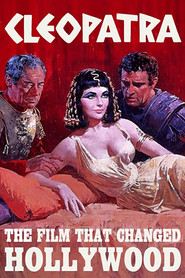
star 6.1Hossain Sabzian and some of his associates discuss his character, his life-long obsession with cinema and his attitude towards the film he starred in, "Close-Up" (1990).Cleopatra: The Film That Changed Hollywood
2001
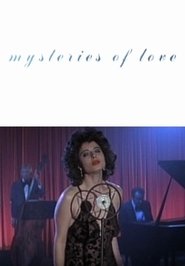
star 7.2Documentary about the making of 20th Century Fox's 1963 film "Cleopatra," then the most expensive film of all time.Mysteries of Love
2002
Mysteries of Love
2002
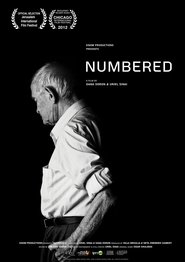
star 7.1Isabella Rossellini, Kyle MacLachlan, Dennis Hopper, Laura Dern, and producer Fred Caruso are interviewed for this 68-minute documentary about the making of David Lynch's Blue VelvetNumbered
2012
Numbered
2012
star 7.2An estimated 400,000 people were tattooed with serial numbers at Auschwitz, of whom only a few thousand survive today. This intimate and visually rapturous documentary details the current lives of some of these survivors, their memories of the camps, and their relationships with the numbers. Numbered is an emotionally affecting portrait of memory and history, and their enduring presence in individual lives.