Top Rated Documentary Movies - Page 480
All Services
Free Services
 Netflix
 Amazon Prime Video
 Apple iTunes
 Apple TV Plus
 Disney Plus
 Google Play Movies
 Paramount Plus
 Hulu
Hulu
 HBO Max
 YouTube
 fuboTV
 Peacock
 Peacock Premium
 Amazon Video
 The Roku Channel
 AMC+
AMC on Demand
AMC+
AMC on Demand
 Kocowa
 Hoopla
 The CW
 Vudu
Vudu
 Starz
Starz
 Showtime
 PBS
PBS
 Pantaflix
 FXNow
FXNow
 Tubi TV
 Kanopy
 Comedy Central
 Crunchyroll
 Microsoft Store
 Redbox
 Sun Nxt
 ABC
ABC
 DIRECTV
 Crackle
 Fandor
 Plex
Plex
Netflix
Amazon Prime Video
Apple iTunes
Apple TV Plus
Disney Plus
Google Play Movies
Paramount Plus
Hulu
HBO Max
YouTube
fuboTV
Peacock
Peacock Premium
Amazon Video
The Roku Channel
AMC+
AMC on Demand
Kocowa
Hoopla
The CW
Vudu
Starz
Showtime
PBS
Pantaflix
FXNow
Tubi TV
Kanopy
Comedy Central
Crunchyroll
Microsoft Store
Redbox
Sun Nxt
ABC
DIRECTV
Crackle
Fandor
Plex

Head Games
2012
Head Games
2012
star 6.8Former football player and wrestler Chris Nowinski's quest to publicize recent findings about the often dire consequences of head concussions sustained by athletes in contact sports — injuries that have previously been considered momentary setbacks and ignored in the name of toughness and dedication to the team.The Moon and the Sledgehammer
1971
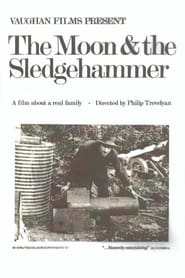
star 6.9The Page family lives without electricity or running water deep in the Sussex woods. Amidst ever-growing modernity and industrialization, the family carries out chores, hunts pheasants, builds steam engines, and postulates on man's trip to the moon. They demonstrate fine lateral thinking and, through their particular delivery, display fears and concerns about pollution, intensive farming, mechanization, and self-fulfillment during a time of technological advancement.A Poem Is a Naked Person
1974
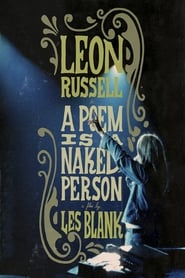
star 7.6Les Blank's first feature-length documentary captures music and other events at Leon Russell's Oklahoma recording studio during a three-year period (1972-1974).Football Rebels
2012
Football Rebels
2012
star 7.1Five stories that tell how a handful of football stars took the risk of losing everything and put their fate in the balance to make a difference by becoming the symbol of a fight.Fighter
2000
Fighter
2000
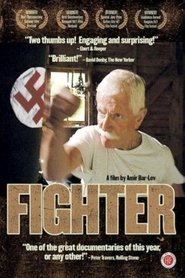
star 5.8Filmmaker Amir Bar-Lev follows two Czech Holocaust survivors, Jan Weiner and Arnost Lustig, as they revisit Terezin, a labor camp where Arnost was interned for five years and Jan's mother was murdered.Useless
2008
Useless
2008
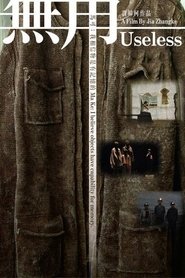
star 6.4Observations of three varied corners of China’s garment industry: workers in a large-scale production line factory; a designer who rallies against the mass-machine-production of clothes and has created the eponymous hand-made collection called ‘Useless’ (Wuyong) for Paris Fashion Week; and finally the simple life of increasingly out-of-work tailors in small town Fengdang.Pripyat
1999
Pripyat
1999
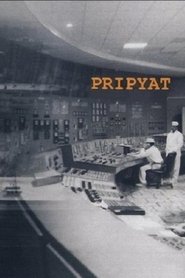
star 6.9After the catastrophe in 1986, a 30-km restricted zone was erected around the Chernobyl nuclear power plant, and 116,000 persons were evacuated from this area. Pripyat is a portrait of the people who still live and work there, and of those who have moved back. What is life like for these people, a life with the invisible and incomprehensible danger of radioactivity? How do they deal with the aftereffects of an accident which is claimed to be statistically improbable? Four protagonists tell their stories and provide a look at everyday life in “their“ zone.I Lived, But...
1983
I Lived, But...
1983
star 6.5An extremely lovely tribute to Ozu, on the 20th anniversary of his death. It uses a combination of footage from vintage films and new material (both interviews and Ozu-related locations) shot by Ozu's long-time camera-man (who came out of retirement to work on this). Surprisingly (or perhaps not), it focuses less on Ozu's accomplishments as a film-maker than on his impact on the lives of the people he worked with..Missile
1988
Missile
1988
star 6.5MISSILE follows the 4315th Training Squadron of the Strategic Air Command at Vandenberg Air Force Base in California, where Air Force officers are trained to man the Launch Control Centers for the Minuteman Intercontinental Ballistic Missiles. Sequences include discussion of the moral and military issues of nuclear war; the arming, targeting and launching of the missile; codes; communications; protection against terrorist attack; emergency procedures; staff meetings and tutorial sessions.Ping Pong
2012
Ping Pong
2012
star 7.2Les D'Arcy is a living legend. At 89 years old, he's obviously not received the memo about slowing down, and is going for gold, literally. He's headed to China to compete in the over 80s Table Tennis Championships in Inner Mongolia. A seven time world champion, he still lifts weights to train - something he's been doing for decades, after surviving a sickly childhood. Of course compared to some, Les is a spring chicken. Australian legend Dorothy deLow is 100, and finds herself a mega celebrity in this rarefied world. She'd better watch out though- Texan Lisa Modlich is fifteen years her junior and is determined to do what it takes to win her first gold. Director Hugh Hartford follows eight players from five countries, as they prepare to compete in this extraordinary sporting event that is as much about the tenacity of the human spirit as it is about taking home the title.Mama Africa
2011
Mama Africa
2011
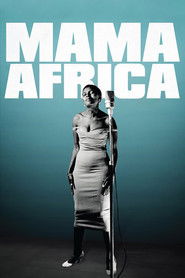
star 6.5Miriam Makeba was one of the first African musicians who won international stardom and whose music was always anchored in her traditional South African roots. Miriam Makeba was forced into exile in 1959. She sang for John F. Kennedy, performed with Harry Belafonte and Nina Simone, was married to Hugh Masekela and also Stokely Carmichael. Her life was tumultuous. She always stood for truth and justice. She fought for the oppressed most importantly for black Africans, as a campaigner against apartheid. She died November 2008 after a concert in Italy. Mika Kaurismäki's documentary, traces fifty years of her music and her performing life. Through rare archive footage of her performances and through interviews with her contemporaries we discover the remarkable journey of Miriam Makeba.Birders: The Central Park Effect
2012
star 7.8A diverse group of full-of-attitude New Yorkers reveals how a hidden world of beautiful wild birds in the middle of Manhattan has upended and magically transformed their lives.Enemies of Happiness
2006
Enemies of Happiness
2006
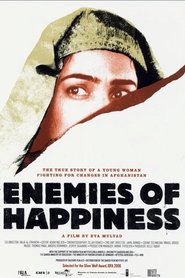
star 5.3In September 2005, Afghanistan held its first parliamentary elections in 35 years. Among the candidates for 249 assembly seats was Malalai Joya, a courageous, controversial 27-year-old woman who had ignited outrage among hard-liners when she spoke out against corrupt warlords at the Grand Council of tribal elders in 2003. Enemies of Happiness is a revelatory portrait of this extraordinary freedom fighter and the way she won the hearts of voters, as well as a snapshot of life and politics in war-torn Afghanistan.Don Van Vliet: Some YoYo Stuff
1994
star 6.9Don van Vliet, alias "Captain Beefheart", is one of the most influential, misunderstood, talked about, admired, copied, treasured, loved and quoted musicians and yet he is still an obscure and mysterious artist. His quite abrupt artistic transformation from working with a microphone to a paintbrush in 1982 and his consequent move from the desert to the ocean meant even less direct contact with the outside world than before. Subsequently there is very little information about Don from this time onwards and this short black-and-white film made in 1993 is an unique opportunity to see and hear this unique manHoratio's Drive: America's First Road Trip
2003
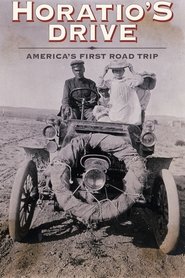
star 7.4In the spring of 1903, on a whim and a fifty-dollar bet, Dr. Horatio Nelson Jackson set off from San Francisco in a 20-horsepower Winton touring car hoping to become the first person to cross the United States in the new-fangled "horseless carriage." Most people doubted that the automobile had much of a future. Jackson's trip would prove them wrong.Ocean Studies
1906
Tango
1905
30 Years of Darkness
2012
30 Years of Darkness
2012
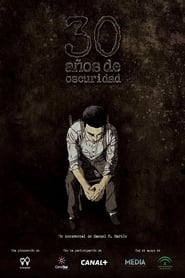
star 7.2When the Spanish Civil War came to an end, Manuel Cortes was unable to flee the country. After a long journey, he managed to get back home in the dark without being discovered. His wife, Juliana, told him how the winning forces were shooting many of their fellow citizens. Manuel and Juliana decided to dig a small hole in the wall for Manuel to hide in. He could not even begin to imagine that this small hideaway was to become his private jail for the following 30 years. This is the story of the so-called post-war moles, people who had to put their lives on hold in order to escape from the repression imposed by the victors of the civil war.