Top Rated Documentary Movies - Page 478
All Services
Free Services
 Netflix
 Amazon Prime Video
 Apple iTunes
 Apple TV Plus
 Disney Plus
 Google Play Movies
 Paramount Plus
 Hulu
Hulu
 HBO Max
 YouTube
 fuboTV
 Peacock
 Peacock Premium
 Amazon Video
 The Roku Channel
 AMC+
AMC on Demand
AMC+
AMC on Demand
 Kocowa
 Hoopla
 The CW
 Vudu
Vudu
 Starz
Starz
 Showtime
 PBS
PBS
 Pantaflix
 FXNow
FXNow
 Tubi TV
 Kanopy
 Comedy Central
 Crunchyroll
 Microsoft Store
 Redbox
 Sun Nxt
 ABC
ABC
 DIRECTV
 Crackle
 Fandor
 Plex
Plex
Netflix
Amazon Prime Video
Apple iTunes
Apple TV Plus
Disney Plus
Google Play Movies
Paramount Plus
Hulu
HBO Max
YouTube
fuboTV
Peacock
Peacock Premium
Amazon Video
The Roku Channel
AMC+
AMC on Demand
Kocowa
Hoopla
The CW
Vudu
Starz
Showtime
PBS
Pantaflix
FXNow
Tubi TV
Kanopy
Comedy Central
Crunchyroll
Microsoft Store
Redbox
Sun Nxt
ABC
DIRECTV
Crackle
Fandor
Plex

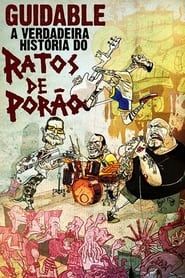
Guidable: The Real History of Ratos de Porão
2008
star 7.5The uncensored history from the Brazilian band Ratos de Porão, one of the oldest Hardcore bands in the world. Almost three decades of drugs, madness and a lot of noise, told by the people who made and still make part of this institution of heavy rock.Zefiro Torna or Scenes from the Life of George Maciunas (Fluxus)
1992
star 5.8The life and work of Fluxus artist George Maciunas as seen in clips filmed between 1952 and 1978.First
2012
First
2012
star 5.9The Official Film of the XXXth Olympic Games to be held in London, following the stories of twelve first-time Olympians from around the world.Brasileirinho
2005
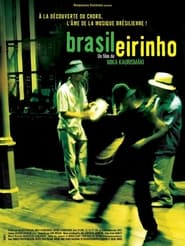
Brasileirinho
2005
star 5.9A musical documentary and tribute about "choro", an older style of playing that forms the foundation of all Brazilian composition, including samba and bossa nova.1 P.M.
1971
1 P.M.
1971
star 5.8Lighter and livelier than the films Jean-Luc Godard had made in France, his U.S. collaboration with Direct Cinema documentarian D. A. Pennebaker was meant to be One A.M., as in “one American movie”; but Godard quit the project and the U.S., where to his dismay he discovered that revolution wasn’t imminent, and Pennebaker edited Godard’s material, to which he and Richard Leacock even added a bit more, releasing the result as One P.M., as in “one parallel movie.” It’s a stunning mixture of cinéma-vérité, political theater, and interviews of key sixties figures.Still Tickin': The Return of 'A Clockwork Orange'
2000
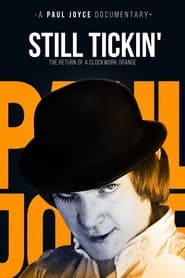
star 5.1Produced by Channel 4, Still Tickin´: The Return of A Clockwork Orange examines the controversy over Kubrick’s iconic film, explaining the film’s “demonic level of attention,” and its influence on culture, politics and society, which led to the director’s self-imposed ban.The Great Flood
2012
The Great Flood
2012
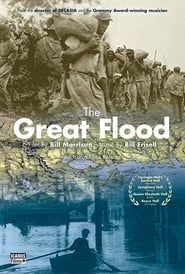
star 6.7The Mississippi River Flood of 1927 was the most destructive river flood in American history. In the spring of 1927, the river broke out of its banks in 145 places and inundated 27,000 square miles to a depth of up to 30 feet. Part of it enduring legacy was the mass exodus of displaced sharecroppers. Musically, the Great Migration of rural southern blacks to Northern cities saw the Delta Blues electrified and reinterpreted as the Chicago Blues, Rhythm and Blues, and Rock and Roll. Using minimal text and no spoken dialog, filmmaker Bill Morrison and composer - guitarist Bill Frisell have created a powerful portrait of a seminal moment in American history through a collection of silent images matched to a searing original soundtrack.This Naked Age
1932
This Naked Age
1932
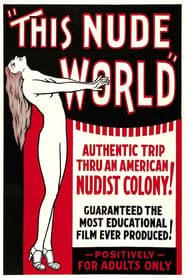
star 3.1"This Nude World" is a groundbreaking 1932 "documentary" celebrating the age-old tradition of playing volleyball in you socks... and nothing else. The film purports to pose probing questions about the morality of nudist colonies o cover its actual aim of getting naked people on screen... primarily in long shots. A highlight of the film is the peeks at the phenomena in Germany, France (including Lido de Paris) and the United States along with wonderful pre-WWII footage of the cities visited A real hoot. It passed the National Board of Review in 1932.In Search of Dracula
1975
In Search of Dracula
1975
star 7.2A documentary exploring the legends of vampires, using books, paintings and early films on the subject.Bravehearts
2012
Bravehearts
2012
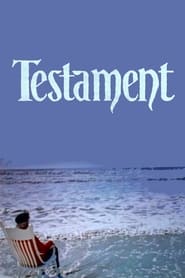
star 6.6A documentary about youth politicians changes radically on July 22nd 2011, when a right-wing extremist murders 69 people at a summer camp run by the Workers Youth Party.Testament
1974
Testament
1974
star 5.2"TESTAMENT is James Broughton's exquisite self-portrait. A major figure in avant-garde filmmaking and poetry since the 1940s, Broughton views his life and life's work with irony, charm, humor, and a combination of joyous self-love and gentle self-depreciation. Scenes from his earlier films mix the elements of humor, magic, slapstick, melodrama, and romance which mark his aesthetic. A plethora of rich personal symbols is woven throughout the film, tied together by verbal games, Zen poems, anecdotes, songs, a child's prayer, dreams, and visions." - Karen Cooper "James Broughton's TESTAMENT is one of the most remarkable films ever produced within the American independent cinema. It is the most moving and most sublimely detached of the recent trend of filmic autobiographies - by Jerome Hill, Jonas Mekas, and Stan Brakhage, to name only the masters, and Broughton's peers." - P. Adams Sitney "A beautiful, important, mysterious work." - Amos VogelKoch
2013
Revue
2008
Revue
2008
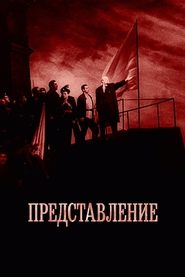
star 7As he did with his critically-acclaimed "Blockade," a documentary re-creation of the WWII siege of Leningrad, which received its NY theatrical premiere in March 2007, filmmaker Sergei Loznitsa has once again scoured the Russian film archives for "Revue," selecting excerpts from newsreels, propaganda films, TV shows and feature films that present an evocative portrait of Soviet life during the 1950s and 1960s. With scenes taken from the length and breadth of the “Soviet Motherland,” "Revue" illustrates industry and agriculture, political life, popular culture, and technology. The film’s fascinating flow of disparate scenes representing typical Soviet life of the period is, seen from today’s perspective, alternately poignant, funny, and tragicGeneral Report
1977
General Report
1977
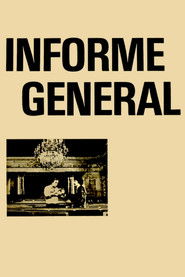
star 6.2How does a country go from a dictatorship to a democracy? A detailed report on the political representation in the heart of the Spanish Transition, only a few months after General Franco’s death, when the sincere democratic vocation of Spanish people must effort to destroy, one heavy brick after another, the wall that those who supported the dictatorship and those who fought it from the exile built with resentment, hatred and prejudices.Germany from Above
2012
Germany from Above
2012
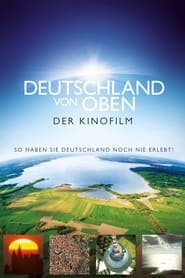
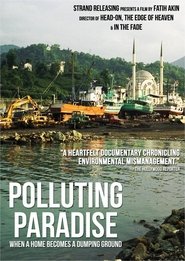
star 6.9This fly-over features Germany filmed from helicopters and small airplanes. Footage was released as a multi-episode tv series over several years and this feature-length movie.Polluting Paradise
2012
Polluting Paradise
2012
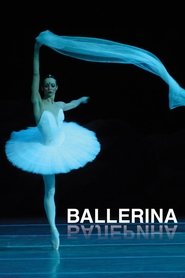
star 5.6Villagers in Turkey's Black Sea village of Camburnu struggle with the government's decision to turn their community into a garbage dump.Ballerina
2006
Ballerina
2006
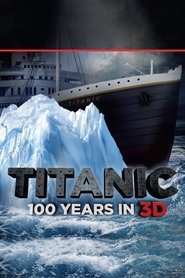
star 8.1Ballerina is a 2006 documentary film that follows the training sessions, rehearsals, and everyday lives of five Russian ballerinas at different stages in their career.Titanic: 100 Years in 3D
2012
star 6.9100 years after an iceberg defeated the 882-foot luxury liner on its maiden voyage, scientists and historians are still exploring the Titanic. Armed with modern camera technology, submersibles were sent down to the ship's final resting place with the hope of capturing HD 3D visuals of the wreckage, in order to support or even confirm theories about the damage that took the boat down. Now, History Channel has brought some of that footage home in this 45-minute TV special, presented in 3D so that future generations can see it for themselves.Would You Have Sex With an Arab?
2011
star 7.8It's a question that surprises most people: “Would you have sex with an Arab?” Film-maker Yolande Zauberman doesn't just ask anyone this question, she asks people in the clubs and bars and streets of Tel Aviv. 20% of Israelis are of Arab origin, but for some the question is still incomprehensible, for others long since reality and yet others a political issue. One thing it is never is immaterial. The film manages to break down the Middle East conflict into individuals and to show what enormous influence it has, even into the most intimate of spheres.The Singularity Is Near
2010
star 6.2The onset of the 21st Century will be an era in which the very nature of what it means to be human will be both enriched and challenged as our species breaks the shackles of its genetic legacy and achieves inconceivable heights of intelligence, material progress, and longevity. While the social and philosophical ramifications of these changes will be profound, and the threats they pose considerable, celebrated futurist Ray Kurzweil presents a view of the coming age that is both a dramatic culmination of centuries of technological ingenuity and a genuinely inspiring vision of our ultimate destiny.