Top Rated Documentary Movies on Kanopy - Page 281
All Services
Free Services
 Netflix
 Amazon Prime Video
 Apple iTunes
 Apple TV Plus
 Disney Plus
 Google Play Movies
 Paramount Plus
 Hulu
Hulu
 HBO Max
 YouTube
 fuboTV
 Peacock
 Peacock Premium
 Amazon Video
 The Roku Channel
 AMC+
AMC on Demand
AMC+
AMC on Demand
 Kocowa
 Hoopla
 The CW
 Vudu
Vudu
 Starz
Starz
 Showtime
 PBS
PBS
 Pantaflix
 FXNow
FXNow
 Tubi TV
 Kanopy
 Comedy Central
 Crunchyroll
 Microsoft Store
 Redbox
 Sun Nxt
 ABC
ABC
 DIRECTV
 Crackle
 Fandor
 Plex
Plex
Netflix
Amazon Prime Video
Apple iTunes
Apple TV Plus
Disney Plus
Google Play Movies
Paramount Plus
Hulu
HBO Max
YouTube
fuboTV
Peacock
Peacock Premium
Amazon Video
The Roku Channel
AMC+
AMC on Demand
Kocowa
Hoopla
The CW
Vudu
Starz
Showtime
PBS
Pantaflix
FXNow
Tubi TV
Kanopy
Comedy Central
Crunchyroll
Microsoft Store
Redbox
Sun Nxt
ABC
DIRECTV
Crackle
Fandor
Plex

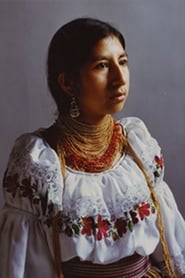
Zulay, Facing the 21st Century
1989
Made over a span of eight years, this documentary is structured as a conversation between anthropologist Mabel Prelorán and Zulay Saravino, who has left her Ecuadorian mountain village to explore opportunities in Los Angeles. Working the land and making textiles to sell, Zulay’s industrious family sent all of their daughters to school — at the time an unusual move in Quinchuqui — and raised an intelligent, independent daughter whose literacy, business sense and introduction to the Preloráns led her to try her luck in the States. Devoted to her village, she relates a mesmerizing account of Otavaleñan traditions and reflects on her experiences in the US.Animals in Action
1955
Animals in Action
1955
The profession of capturing animals in action on celluloid is both an art and science. Some of the most exciting footage can be obtained in different ways. Examples are: a large herd, such as of reindeer, moving as one; slow motion footage of fast moving animals, such as racing greyhounds, especially when they do something unexpected; mothers and their newborn offspring doing what comes naturally; animals placed among special props; animals placed in human situations; combining the exciting and dangerous, such as the running of the bulls in Pamplona and the bullfights to follow; placing animals that are not natural companions together; and placing animals in the situation of a challenge, such as a bunch of bananas just out of reach of a hungry monkey. Many of these elements are combined into the final sequence of a steeplechase race.Tiger Spirit
2008
Tiger Spirit
2008
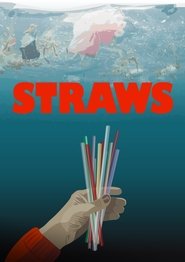
Korea is a divided nation. Filmmaker Min Sook Lee sets out on a revelatory, emotion-charged journey into Korea’s broken heart, exploring the rhetoric and realism of reunification through the extraordinary stories of ordinary people.Straws
2017
Straws
2017
STRAWS is a short documentary about plastic straw litter and how we can make a sea of change...one straw at a time.Beauty
2018
Beauty
2018
In a world of fixed positions and prescribed roles, expanding the definition of gender requires the courage to dive deep into understanding and acceptance. Written and directed by Christina Willings, Beauty explores the lives of five gender-creative kids, each uniquely engaged in shaping their ideas of what it means to be fully human. Claiming your own sense of gender when everything around you insists that you comply and conform can be challenging, and sometimes scary—but family and friends are there to help. Free-flowing animated elements, ranging from images of octopuses to astronauts, draw together the kids’ shared experiences in beautifully rendered fantasias that celebrate the power of imagination and the flourishing force of self-determination. Playful, goofy, loving and brave, each of these remarkable young people—including Ladner, B.C.’s transgender advocate Tru Wilson—have found their own way to break free and show the world what it really means to be your true self.Witches in Exile
2004
Witches in Exile
2004
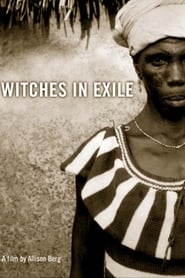
In Ghana, women accused of witchcraft are torn from their families and banished to isolated "witch villages." This film follows accused witches through their daily struggle to survive in the Kukuo Witches Camp in Northern Ghana. As government agencies attempt to abolish this age-old tradition, these women find themselves caught between their society's deeply rooted beliefs and its drive toward modernization. Witches in Exile captures a country at a dramatic and emotional crossroads.Controlling Interest
1978
Controlling Interest
1978
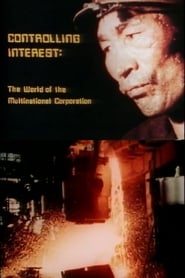
The first account on film of the growth of multinational corporations, their impact on people at home and abroad, and their influence on U.S. foreign policy. This is the film that helped kick-off the anti-globalization movement. Upon release, it quickly became a standard "audio-visual text" for those concerned about the growing impact of multinational corporations on global affairs. The film examines how the ever-increasing concentration and velocity of capital affect employment in the U.S., shape patterns of development in the Third World, and influence our nation's foreign policy.Kamp Katrina
2007
Kamp Katrina
2007
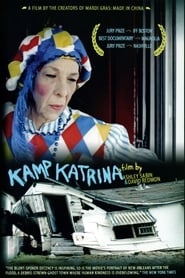
Kamp Katrina, a cinéma vérité documentary, follows the in-depth lives of a small group of people who have taken refuge in a garden transformed into a tent city by an extraordinary New Orleans couple, Ms. Pearl and her husband, David. Carnivalesque Films latest documentary uses tragedy as a tool to clarify and illuminate the chaos and madness of life. This film has no political targets; instead, it focuses on the struggle of these individuals to pick up their lives and face responsibilities in the face of loss, grief, and hope.The Times of Bill Cunningham
2018
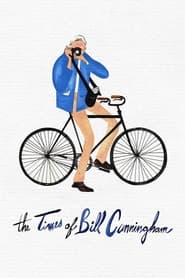
The story of legendary New York Times photographer Bill Cunningham told through the photographer's own words, including a recently unearthed 1994 interview.Chasing Portraits
2018
Chasing Portraits
2018
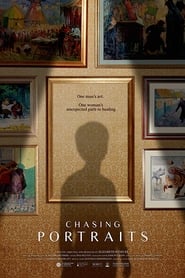
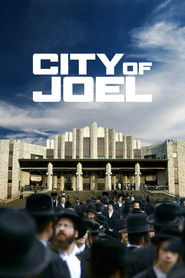
One man's art. One woman's unexpected path to healing. An American woman's emotional quest to find the art of her Polish-Jewish great-grandfather, lost during World War II.City of Joel
2018
City of Joel
2018
"City of Joel" is documentary - with unprecedented access - to a 1.1 square mile shtetl in the suburbs that is home to 22,000 members of an one of the most insular and orthodox Hasidic sects. We follow the battles they are waging to survive. Just 50 miles north of New York City, the Satmar sect has built Kiryas Joel as a religious haven where they can be fruitful, multiply and follow the 613 rules of the Talmud. But with some of the highest rates of marriage, birth and religious observance in the country, they have been almost too successful. Developers have come up with a plan to double the size of the village to keep up with this growth, but their neighbors fight back because they believe it will harm the environment and tilt the balance of political power.Killer Volcanoes
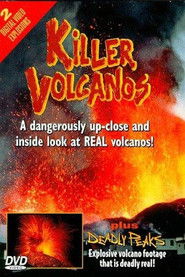
1997
Killer Volcanoes
1997
Documentaries by Katia and Maurice Krafft feature some of the amazing footage shot by the renowned volcanologists, who perished in 1991 while filming a volcano in Japan. The duo documented more active and erupting volcanos than any other scientists in the world, and their dedication shows in Deadly Peaks and Killer Volcanos, two educational films that capture the scientists on the edge of a hot ash blast and floating on a lake of sulfuric acid. The films visit Mount Kilimanjaro and examine some of the less-known dangers such as carbon monoxide gas that builds under crater-formed lakes. They also take an in-depth look at the eruption of Mount St. Helens and the lengths to which people will go to save their communities. Venturing to places where most people would never dare, the Kraffts gave their lives to promote the study of volcanos and left behind a legacy of courage in the name of science. --Shannon GeeThe Journey of the Lion
1992
Brother Howie is a Jamaican Rastifari who dreams of the land of his ancestors: Africa. On a journey in search of his roots and his identity he travels through three continents and (with great humor and sensitivity) discovers the world and Africa.Under the Same Sky
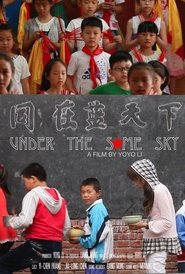
2017
Under the Same Sky
2017
The Chinese government is sponsoring a national campaign on "equal" education. UNDER THE SAME SKY documents school children in the city as well as the country to compare the two educational experiences. UNDER THE SAME SKY had been nominated for best short documentary at the 2017 Asian Pacific Film Festival, 2017 St. Louis International Film Festival, Long beach indie Film Festival and Los Angeles Chinese Film Festival. It's also been shown and won awards at 15 other film festivals around the world, including the Cannes Short Film Corner and The Impact Docs Awards.Great White Lies
2015
Great White Lies
2015
Focusing on the Western Australian Government's decision in January 2014 to hunt and kill the protected great white shark, filmmaker Skyler Thomas visits Australia, South Africa, and New Zealand to learn more about the shark culling practices in each of those locations. Interviewing scientists, politicians, surfers, and activists, Great White Lies thoroughly examines the history of shark culling.Why the Jews?
2018
Why the Jews?
2018
The stunning accomplishments of the Jews raise a question no film has dared ask before. How do they do it? Some of the world’s most prominent thinkers tackle a mystery shrouded in ignorance and prejudice. They tear back the curtain on a taboo and draw a startling link between a people’s achievements and the darkest hours in its history.Ralph Ellison: An American Journey
2002
The life and work of author Ralph Ellison, whose novel "Invisible Man" won him many awards and honors.Ralph Bunche: An American Odyssey
2001
Few remember the name, much less the historical achievements, of Dr. Ralph Johnson Bunche. Yet, this African American mediator and United Nations diplomat was the first person of color anywhere in the world to be awarded the Nobel Prize for Peace.Behind a Portrait. The Italian Treasures from Accademia Carrara
2025
Art documentary about the Accademia Carrara gallery, which reopened in 2015 after seven years of extensive restoration.A Long Journey to Guadalupe
1996
The veneration for Tonantzin-Guadalupe has been an essential Mexican theme underlying Mexican cultural and political values since the 16th century. Guided by the testimonies of Indigenous people, Mexicans of mixed heritage and Chicanos about this complex subject matter, we can understand why. The film was shot in 16mm and produced between July 1987 and February 1996.