Top Rated Documentary Movies on Kanopy - Page 283
All Services
Free Services
 Netflix
 Amazon Prime Video
 Apple iTunes
 Apple TV Plus
 Disney Plus
 Google Play Movies
 Paramount Plus
 Hulu
Hulu
 HBO Max
 YouTube
 fuboTV
 Peacock
 Peacock Premium
 Amazon Video
 The Roku Channel
 AMC+
AMC on Demand
AMC+
AMC on Demand
 Kocowa
 Hoopla
 The CW
 Vudu
Vudu
 Starz
Starz
 Showtime
 PBS
PBS
 Pantaflix
 FXNow
FXNow
 Tubi TV
 Kanopy
 Comedy Central
 Crunchyroll
 Microsoft Store
 Redbox
 Sun Nxt
 ABC
ABC
 DIRECTV
 Crackle
 Fandor
 Plex
Plex
Netflix
Amazon Prime Video
Apple iTunes
Apple TV Plus
Disney Plus
Google Play Movies
Paramount Plus
Hulu
HBO Max
YouTube
fuboTV
Peacock
Peacock Premium
Amazon Video
The Roku Channel
AMC+
AMC on Demand
Kocowa
Hoopla
The CW
Vudu
Starz
Showtime
PBS
Pantaflix
FXNow
Tubi TV
Kanopy
Comedy Central
Crunchyroll
Microsoft Store
Redbox
Sun Nxt
ABC
DIRECTV
Crackle
Fandor
Plex

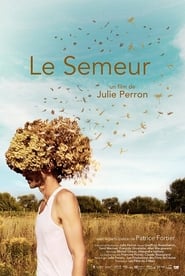
The Sower
2014
The Sower
2014
In the heart of Kamouraska in Quebec, Patrice Fortier lives at “La société des plantes” (The Society of Plants). There, like a transcriber of the middle ages, he diligently cares for the rare and forgotten plant seeds to create a variety of so-called “old futures.” Patrice dreams up his garden and turns his crops into art projects. Over time, and with patience, he passes on his passion and his knowledge to us through his seed bank. These seeds of life will appear in thousands of gardens throughout the world. An ode to plant biodiversity and to our heritage, brought forth by a true and genetically motivated sower.Lost in America
2019
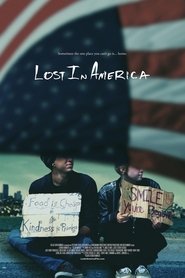
Lost in America
2019
Following director Rotimi Rainwater, a former homeless youth, as he travels the country to shine a light on the epidemic of youth homelessness in America.Autumn Gem
2009
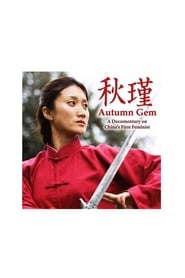
Autumn Gem
2009
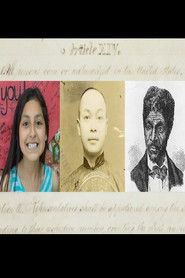
Meet the "Chinese Joan of Arc," Qiu Jin (Qiu Jin ) (1875-1907), a radical women's rights activist who defied tradition to become the leader of a revolutionary army. Qiu Jin boldly challenged traditional gender roles and demanded equal rights and opportunities for women. She was the first woman to lead an armed uprising against the corrupt Qing Dynasty, for which she was arrested and executed. She became the first female martyr for China's 1911 Revolution and is celebrated as a national heroine today. While Qiu Jin is a familiar figure in China, she is largely unknown outside of the country. AUTUMN GEM is the first documentary feature on Qiu Jin in the U.S. Using scholar interviews, archival materials, and dramatic recreation scenes based on her original writings, AUTUMN GEM brings the story of Qiu Jin to life.14: Dred Scott, Wong Kim Ark and Vanessa Lopez
2014
Explores the recurring question about who has the right to be an American citizen. The story is told through the lives of three ordinary and extraordinary American families who changed history by their courageous challenges to the powerful status quo. Descendants of Dred and Harriet Scott and those of Wong Kim Ark tell the stories of how their ancestors fought all the way to the Supreme Court and changed American history. Rosario Lopez and her daughter Vanessa are both activists in the immigrant rights youth movement. It is the citizenship of millions of children like Vanessa Lopez, born in the United States to undocumented parents, that is at stake now.Ancestors in the Americas: Coolies, Sailors, Settlers
1996
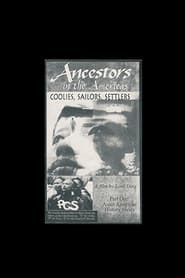
Explores how people from the Philippines, China and India first arrived on the shores of North and South America, their survival amid harsh conditions, re-migrations and settlement in the Americas. The film travels across oceans and centuries of time to trace the globally interlocking story of East and West. Ancestors in the Americas is a two-part series that presents the history, challenges, and lasting impact of early Asian immigrants to the Americas, from the 1700s to the 1900s. The series follows their little-known journeys and stories, reveals their pioneering struggle against racial hatred and for basic rights, and depicts their lasting cultural, legal and economic contributions to the building of the Americas. Using a "documemoir" approach, ANCESTORS IN THE AMERICAS brings to life this largely undocumented past and invites a new understanding of American history.Hey Ronnie Reagan
2018
Hey Ronnie Reagan
2018
In 1984 a tiny anonymous Tipperary village was thrust in to the world's spotlight when US President Ronald Reagan arrived to visit his ancestral home. It was said that Ballyporeen would never be the same again.Teach a Man to Fish
2018
Teach a Man to Fish
2018
As a fair-skinned Aboriginal man living away from his country, middle-aged Grant struggles with his identity. So, he decides to quit everything and go fishing with his father.Standing Up
2018
Standing Up
2018
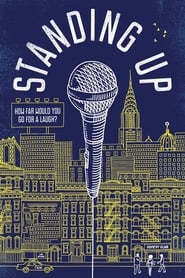
An ultra-Orthodox Jew, a couch surfing custodian, and a personal injury lawyer - risk everything to find their voices on the cutthroat New York comedy scene.Snowbirds
2018
Snowbirds
2018
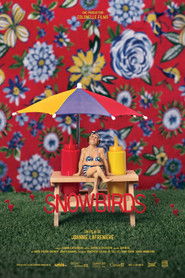
Every year, thousands of Quebecers flock south to escape the harsh winters. Using a quirky Wes Anderson–inspired aesthetic, Snowbirds examines their hibernation destination: the French-speaking community of Hallandale Beach in Florida. There we meet characters like Agathe, affectionately nicknamed "Aunty" by the other seniors, an 88-year-old Quebecoise who eats chocolate bars and drinks Pepsi for lunch. Her secret to a pill-free old age? A fanatical worship of the sun. Many others come for the same reason, and together their days at this campground community are dictated by English conversation classes, jaunts to the beach and afternoon lawn bowling. With lots of tenderness and good humour, the film considers the joys and woes of aging, the importance of community and American-Canadian cultural differences.The United States of Detroit
2017
This is a film about the power and necessity of community action in Detroit, and the street level solutions that residents there are finding to make a way in the biggest city in our nation to ever go bust.Snack Bar Special
1990
Snack Bar Special
1990
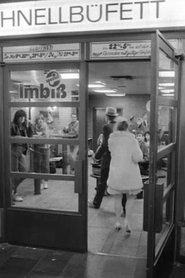
The lower level of Lichtenberg Station in Belin in early October 1989: the beginning of the end for the GDR. In the snack bar, the staff are catering for travellers of every kind while in the background the authorities maintain a flow of triumphal statements, but those months between August and October come to feel like sitting out the death throes. Careful observation of people and their work as the current of history suddenly becomes perceptible.Barbara Rubin and the Exploding NY Underground
2018
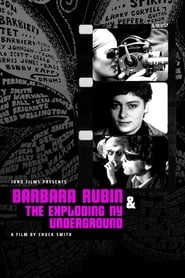
The 29-minute experimental film Christmas on Earth caused a sensation when it first screened in New York City in 1964. Its orgy scenes, double projections and overlapping images shattered artistic conventions and announced a powerful new voice in the city's underground film scene. All the more remarkable, that vision belonged to a teenager, 18-year-old Barbara Rubin. A Zelig of the '60s, she introduced Andy Warhol to the Velvet Underground, Bob Dylan to Kabbalah and bewitched Allen Ginsberg. The same unbridled creativity that inspired her to make films when women simply didn't, saw her breach yet another male domain, Orthodox Judaism, before her mysterious death at 35. Lifelong friend Jonas Mekas saved all her letters, creating a rich archive that filmmaker Chuck Smith carefully sculpts into this fascinating portrait of a nearly forgotten artist. An avante-garde maverick, a rebel in a man's world, Barbara Rubin regains her rightful place in film history.Oh My God! It's Harrod Blank!
2008
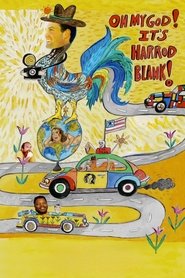
An obsessively-made documentary, filmed over 16 years, exploring the creative life and adventures of the eccentric artist and entrepreneur Harrod Blank. From his youth growing up in the woods with chickens and working as a camera assistant for his father- the venerable film-maker Les Blank- to the creation of his first attention-getting artcar, to his current multi-faceted career as creator and head of a nationwide art car movement, all the while pursuing his visions of non-conformity. Featuring interviews with his girl-friends, his mom, his brother, his raconteur lifelong pal, Kevin, as well as Blank’s own painful yet hilarious self-examinations. With special appearances by Les Blank and many fine art car artists. “The pressure to conform is incredible, ” says Blank, “but I don’t care what other people think. The reason I’m alive is to create.”The Land Beneath Our Feet
2016
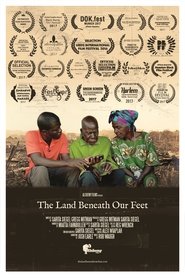
The Land Beneath Our Feet follows a young Liberian man, uprooted by war, who returns from the USA with never-before-seen footage of Liberia’s past. The uncovered footage is embraced as a national treasure. Depicting a 1926 corporate land grab, it is also an explosive reminder of eroding land rights.Ida B. Wells: A Passion for Justice
1989
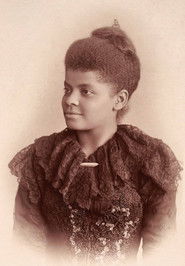
Ida B. Wells: A Passion for Justice documents the dramatic life and turbulent times of the pioneering African American journalist, activist, suffragist and anti-lynching crusader of the post-Reconstruction period. Nobel Prize-winning author Toni Morrison reads selections from Wells' memoirs and other writings in this winner of more than 20 film festival awards.Critical Mass
2013
Critical Mass
2013
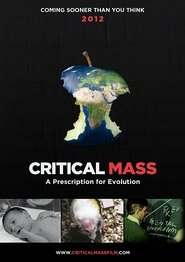
Things aren't looking good for the world's population; as we multiply at an alarming rate there is not enough food, space... or sense. This intelligent film interweaves a fascinating 1960s rat experiment by Dr. John B. Calhoun with a slick snapshot of today's urban jungle.Bipolarized: Rethinking Mental Illness
2014
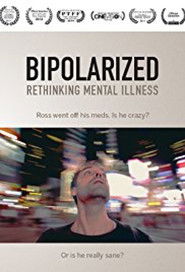
BIPOLARIZED is about one man's personal journey to heal. Diagnosed with bipolar disorder, Ross' psychiatrist told him he would live with the disorder for the rest of his life and that he would have to take lithium to control symptoms. To Ross, taking the drug daily felt like a chemical lobotomy, leaving him in a foggy, drug-induced haze. Ross ultimately decided to resolve his symptoms outside of conventional medicine. He progressively reduced his use of the psychotropic drug lithium, at an experimental clinic in Costa Rica. What ensued was a self-exploration into alternative treatments to treat his condition and a journey delving into the root cause of his mental breakdown. The film uses Ross' personal experiences to tell a larger story about medication. It will reveal how we are labelling more and more people with mental illnesses and how, in tandem, we are prescribing more and more toxic psychotropic drugs to treat these illnesses.Skin Deep
1995
Skin Deep
1995
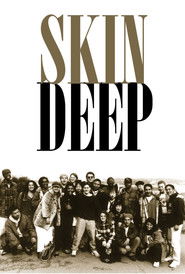
A multi-racial group of college students in a weekend racial sensitivity workshop discuss affirmative action, self-segregation, internalized racism and cultural identity. The film continues as they return to their campuses (University of Massachusetts, Texas A&M, Chico State, and U.C. Berkeley) and visit home.The Registry
2020
The Registry
2020
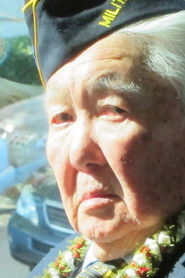
Breaks open the hidden history of the U.S. Armyʼs Military Intelligence Service (MIS) during World War II – a story made possible because of a few aging veterans with a little Internet savvy and a lot of determination. Thereʼs little doubt the 7,000 soldiers of the Military Intelligence Service helped shorten World War II by as much as two years. They were fluent in Japanese. They were interrogators, interpreters and linguists. But who were they? With documents classified and buried in government vaults, historians struggled to tell the MIS story. “The Registry” profiles surviving MIS veterans Seiki Oshiro and Grant Ichikawa and other vets who help tell the unitʼs story.Last Days of Chinatown
2017
Detroit's Cass Corridor, one of the roughest areas in the city for the past 100 years, is experiencing a complete overhaul, as long-awaited development finally sweeps the area. Long known as a center of drugs and prostitution, and also once home to a thriving Chinese enclave, it’s now peppered with boutique shops, new bars and restaurants and the just-debuted Little Caesars Arena. This feature from noted Detroit artist Nicole Macdonald mixes a personal, journalistic and historic approach as it looks at who and what remains in the Corridor. We hear how residents survived, and how they sometimes didn't, as gentrification redefines the space.