Top Rated Documentary Movies on Kanopy - Page 284
All Services
Free Services
 Netflix
 Amazon Prime Video
 Apple iTunes
 Apple TV Plus
 Disney Plus
 Google Play Movies
 Paramount Plus
 Hulu
Hulu
 HBO Max
 YouTube
 fuboTV
 Peacock
 Peacock Premium
 Amazon Video
 The Roku Channel
 AMC+
AMC on Demand
AMC+
AMC on Demand
 Kocowa
 Hoopla
 The CW
 Vudu
Vudu
 Starz
Starz
 Showtime
 PBS
PBS
 Pantaflix
 FXNow
FXNow
 Tubi TV
 Kanopy
 Comedy Central
 Crunchyroll
 Microsoft Store
 Redbox
 Sun Nxt
 ABC
ABC
 DIRECTV
 Crackle
 Fandor
 Plex
Plex
Netflix
Amazon Prime Video
Apple iTunes
Apple TV Plus
Disney Plus
Google Play Movies
Paramount Plus
Hulu
HBO Max
YouTube
fuboTV
Peacock
Peacock Premium
Amazon Video
The Roku Channel
AMC+
AMC on Demand
Kocowa
Hoopla
The CW
Vudu
Starz
Showtime
PBS
Pantaflix
FXNow
Tubi TV
Kanopy
Comedy Central
Crunchyroll
Microsoft Store
Redbox
Sun Nxt
ABC
DIRECTV
Crackle
Fandor
Plex

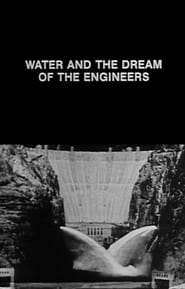
Water and the Dream of the Engineers
1983
Documentary where rich social history frames a spirited debate on the development of water infrastructure throughout the USA.Through Korean Cinema
2010
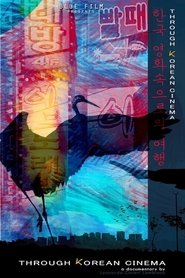
Discover the roots of Korean cinema. A cinema who surprised by the success recorded in the major international festivals. Interviews to five famous Korean directors, to get to know closely the evolution of Korean cinema. Through their words, their pictures and their stories. The Korean cinema has tendency to describe both the society, the past and the modern. The world of west cinema knows these directors through the journey of some of their movies. What do we know about their thoughts, their life, their culture and their way of working? The documentary focus on it.Paper Lanterns
2016
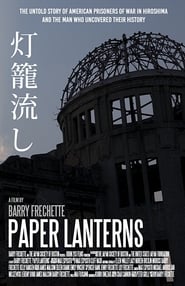
Paper Lanterns
2016
A Japanese man's quest to memorialize the 12 American POWs who were killed by the Hiroshima blast.That Way Madness Lies...
2017
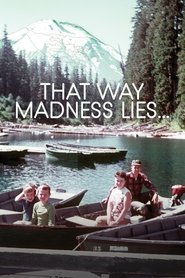
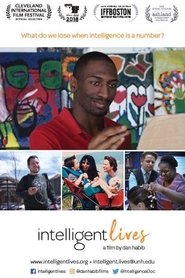
One woman and her family trek the broken mental health system in an effort to save her brother as he descends into madness. Beginning as a testimony of his sanity, his iPhone video diary ultimately becomes an unfiltered look at the mind of an untreated schizophrenic.Intelligent Lives
2018
Intelligent Lives
2018
Three pioneering young adults with intellectual disabilities - Micah, Naieer, and Naomie - challenge perceptions of intelligence as they navigate high school, college, and the workforce.In the Name of Love
2003
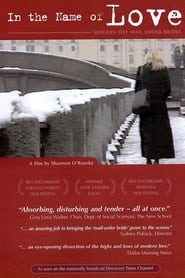
In the Name of Love
2003
Several young "Russian mail order brides" are followed over a three year period as they meet, date, and, in some cases, marry the American men who found them through some of the 80 to 100 "Russian Mail Order Bride" agencies now available in the US and the former Soviet Union.Ohiyesa: The Soul of an Indian
2018
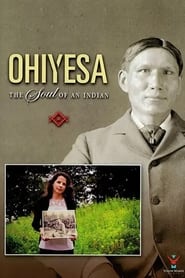
Charles Alexander Eastman was a renowned physician, author, lecturer and Native American rights advocate. His life has been documented in various articles throughout history, but Ohiyesa: The Soul of an Indian makes for a truly unique effort—a project helmed by Eastman’s descendants. Kate Beane and her family bring Eastman’s story to screen, charting from his childhood growing to his education to his illustrious career.Threatened
2014
Threatened
2014
Deep in Brazil, where law and justice require first and last name, the struggle for a piece of land becomes a matter of life or death. "Threatened" shows peasants in the South and Southeast of Pará, who have to fight for a piece of land for farming and living.Man Made
2018
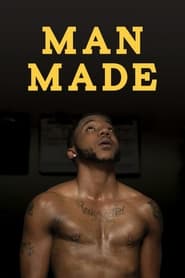
Man Made
2018
From adoption and homelessness to navigating relationships and overcoming self-harm, the four transmen in MAN MADE all have something else in common: they are all bodybuilders. Through the lens of FTMFitCon, the world’s only FTM bodybuilding competition, we delve into the lives of Dominic, Rese, Mason, and Kennie as they define what it means to be a man while contextualizing that definition through the social, racial, and economic realities of their lives. For the men of MAN MADE, it’s not about winning—it’s about stepping on stage and being seen for everything they are.Rise Up: The Movement that Changed America
2018
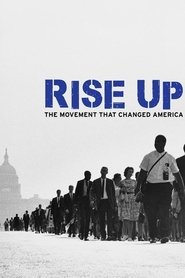
When Martin Luther King Jr. was murdered in Memphis, TN on April 4, 1968, he left a legacy of profound change, yet there was still much unfinished work. This one-hour documentary explores the key battles in the Civil Rights Movement that transformed American society--from the Montgomery Bus Boycott of 1955 to the Chicago Campaign which led to the Fair Housing Act of 1968. The special will uncover what it took to translate protest into real legislative change.Mele Murals
2016
Mele Murals
2016
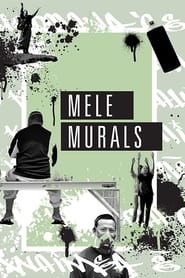
Mele Murals is a documentary on the transformative power of modern graffiti art and ancient Hawaiian culture for a new generation of Native Hawaiians. At the center of the story are two renowned street artists - Estria Miyashiro (aka Estria) and John Hina (aka Prime) - a group of Native Hawaiian youth, and the rural community of Waimea. Set against the resurgence of Hawaiian language and culture of the past twenty years, Estria and Prime tell how their street art has taken them on personal journeys to discover their history, identity and responsibilities as Hawaiian people.Doing Jewish: A Story From Ghana
2017
A tiny community in rural Ghana recently discovered that the religion they have been practicing for centuries is Judaism. Filmmaker Gabrielle Zilkha explores their story from isolation to global connection and the challenges and rewards they face along the way.That Which I Love Destroys Me
2015
A documentary on military PTSD, focusing on the experiences of two friends who are veterans of the war in Iraq.Negroes with Guns: Rob Williams and Black Power
2004
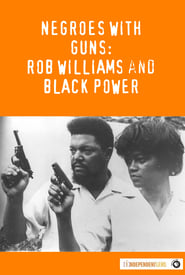
Rob Williams was an African-American living in Monroe, North Carolina in the 1950s and 1960s. Living with injustice and oppression, many African-Americans advocated a non-violent resistance. Williams took a different tack, urging the oppressed to take up arms. Williams was stripped of his rank as leader of the local NAACP chapter, but he continued to encourage local African-Americans to carry weapons as a means of self-defense. Wanted on a kidnapping charge, Williams and his wife fled to Cuba. His radio show Radio Free Dixie could be heard in some parts of the United States.My Heart Attack
2015
My Heart Attack
2015
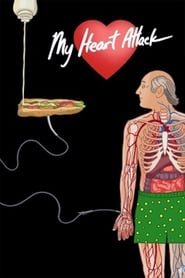
Life is certainly stranger than fiction. Even if he’d tried, filmmaker Sheldon Cohen couldn’t have made up the events that led to his being rushed to an Emergency room one sunny summer afternoon. This is the true story of “a nice Jewish boy with Buddhist inclinations” who should have been the last person in the world to need cardiac surgery.Otaiya: Japan's Hidden Christians
1997
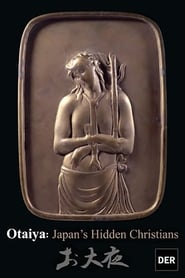
In the sixteenth century Portuguese Catholic missionaries introduced Christianity to Japan. The religion flourished for about fifty years, but by 1614 the Tokugawa government issued an edict that outlawed Christianity and expelled the missionaries from Japan. About 150,000 believers went underground and continued to practice their religion in secret. These people are known as the "Hidden Christians". Otaiya, meaning "Big Evening" is the Hidden Christian version of Christmas Eve. Through the occasion of this ceremony, the film tells the story of Japan's Hidden Christians. Made with the cooperation of contemporary Hidden Christians on the remote island of Narushima, the film features the only two remaining priests in the Goto Islands.In Full Bloom... Transcending Gender
2015
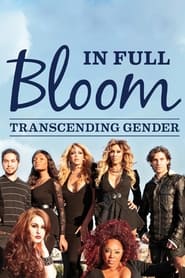
The feature-length documentary, 'In Full Bloom... transcending gender,' follows the courageous journey of thirteen transgender and two gay actors as they transform their lives through the use of monologue, dialogue and performance art while preparing for the world premiere of the stage play, 'Lovely Bouquet of Flowers: An Exploration of Non-Traditional Gender Voices.' Behind-the-scenes, rehearsal and performance footage are interwoven with compelling personal interviews from the cast, dealing with family, inner conflicts, discrimination, coming out, surgery, hormones and the complexities of sexual identity and orientation. By sharing their own journeys, the actors transcend transgender by speaking to issues, such as relationships, careers and spirituality. 'In Full Bloom... transcending gender,' challenges the viewer to move past stereotypes and to see the commonalities we all share as human beings.The Passionate Pursuits of Angela Bowen
2016
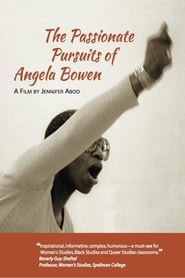
For six decades Angela Bowen, classical dancer and teacher, black lesbian feminist activist, and professor has influenced and inspired untold numbers speaking out as strongly for the Arts, Black and Women's Rights as she has for Lesbian and Gay Rights. The film depicts Bowen's life across the decades, from the early fifties, with historic footage, photographs and interviews including her dance mentor, dance partner, former husband, partner, children, activists, scholars, and dance and university students. Bowen's candid and compelling stories allow us to understand how race, class, gender, age, and sexuality played into her decisions and choices, her mission, and strategies for survival. Passionate Pursuits is intended to challenge and inspire diverse audiences to pursue their own dreams with tenacity and courage, but not for themselves alone.Tales of the Waria
2011
Tales of the Waria
2011
While many in the Western world view Islam as socially repressive, in Indonesia, the world's largest Muslim country, exists a community of biological men who live openly as women-- the warias. As four warias strive to find romance, intimacy, and acceptance, they encounter unique obstacles that force them to make extraordinary sacrifices to keep the ones they love.A Jumpin' Night in the Garden of Eden
1987
A Jumpin' Night in the Garden of Eden was the first film to document the klezmer revival, tracing the efforts of two founding groups, Kapelye and Boston's Klezmer Conservatory Band, to recover the lost history of klezmer music. For nearly a millennium, this vigorous and soulful music was part of the celebration of Jewish life in Eastern Europe. In the early decades of this century, the music took root in America. Klezmer musicians learned hundreds of tunes by ear and their ears were open to Gypsy, Ukrainian and Greek melodies of the old world, as well as to the new sounds of American jazz. Music born in Eastern Europe lived on in the imaginations of composers for New York's Yiddish theater, men whose tunes entered the mainstream through such unlikely adapters as the Andrew Sisters. Eventually Klezmer went underground as its audience assimilated into mainstream American culture.