Top Rated Documentary Movies on Kanopy - Page 85
All Services
Free Services
 Netflix
 Amazon Prime Video
 Apple iTunes
 Apple TV Plus
 Disney Plus
 Google Play Movies
 Paramount Plus
 Hulu
Hulu
 HBO Max
 YouTube
 fuboTV
 Peacock
 Peacock Premium
 Amazon Video
 The Roku Channel
 AMC+
AMC on Demand
AMC+
AMC on Demand
 Kocowa
 Hoopla
 The CW
 Vudu
Vudu
 Starz
Starz
 Showtime
 PBS
PBS
 Pantaflix
 FXNow
FXNow
 Tubi TV
 Kanopy
 Comedy Central
 Crunchyroll
 Microsoft Store
 Redbox
 Sun Nxt
 ABC
ABC
 DIRECTV
 Crackle
 Fandor
 Plex
Plex
Netflix
Amazon Prime Video
Apple iTunes
Apple TV Plus
Disney Plus
Google Play Movies
Paramount Plus
Hulu
HBO Max
YouTube
fuboTV
Peacock
Peacock Premium
Amazon Video
The Roku Channel
AMC+
AMC on Demand
Kocowa
Hoopla
The CW
Vudu
Starz
Showtime
PBS
Pantaflix
FXNow
Tubi TV
Kanopy
Comedy Central
Crunchyroll
Microsoft Store
Redbox
Sun Nxt
ABC
DIRECTV
Crackle
Fandor
Plex

Model
1981
Model
1981
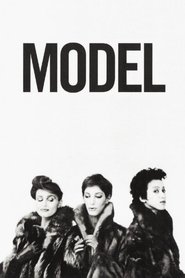
star 6.1MODEL shows male and female models at work on TV commercials, fashion shows, magazine covers, and advertising for a variety of products, including designer collections, fur coats, sports clothes and automobiles. The models are seen at work with photographers whose techniques illustrate different styles of fashion and product photography. The business aspect of running an agency is also shown: interviewing prospective models, career counseling, arranging portfolios, talking with clients, and planning trips. The film presents a view of the intersections of fashion, business, advertising, photography, television and fantasy.The Gates
2008
The Gates
2008
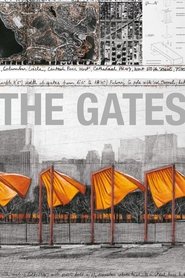
star 5.9A documentary on New York City’s biggest public art project ever, an installation called “The Gates” by Christo and Jeanne Claude.The Forgotten Space
2010
The Forgotten Space
2010
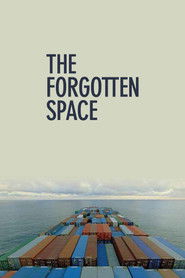
star 5.4Details the catastrophic effects globalization has wrought on the ship, truck and train industries. We visit displaced farmers and villagers in Holland and Belgium, underpaid truck drivers in Los Angeles, seafarers aboard mega-ships shuttling between Asia and Europe, and factory workers in China, whose low wages are the fragile key to the whole puzzle. At a moment when collective bargaining rights are under attack in the United States, and China continues to bow to foreign pressures to prevent such rights from being granted at all, this film asks: Is capitalism the Trojan horse that turns on its inventors?Herman's House
2012
Herman's House
2012
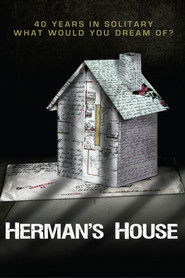
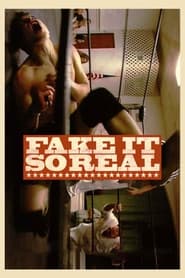
star 6.2'What kind of house does a man who has been imprisoned in a six-foot-by-nine-foot cell for over 30 years dream of?' This film captures the remarkable creative journey and friendship of Herman Wallace, one of the Angola 3, and artist Jackie Sumell while examining the injustice of prolonged solitary confinement.Fake It So Real
2012
Fake It So Real
2012
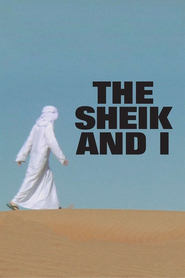
star 6.8Dive head-first into the world of independent pro wrestling as we follow a group in Lincolnton, North Carolina over the week leading up to a big show.The Sheik and I
2012
The Sheik and I
2012
star 5.6When an American filmmaker is commissioned to make a film for a Middle East Biennial on the theme of 'art as a subversive act,' his film is banned for blasphemy, he is asked to destroy every copy, and threatened with arrest.Grinders
2011
Grinders
2011
star 5.9With a new baby and wife to support, out-of-work filmmaker Matt Gallagher tries his hand - and some would say, luck at playing poker for a living.How to Start a Revolution
2012
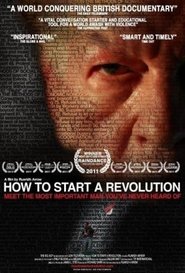
star 5.4HOW TO START A REVOLUTION is the remarkable untold story of Nobel Peace Prize nominee Gene Sharp, the world's leading expert on non-violent revolution. This new film (from first time director Ruaridh Arrow) reveals how Gene's work has given a new generation of revolutionary leaders the weapons needed to overthrow dictators. It shows how his 198 steps to non-violent regime change have inspired uprisings from Serbia to Ukraine and from Egypt to Syria and how his work has spread across the globe in an unstoppable wave of profound democratic change. How To Start A Revolution is the story of the power of people to change their world, the modern revolution and the man behind it all.Meet the Fokkens
2011
Meet the Fokkens
2011
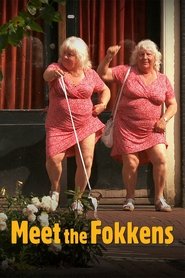
star 6Sisters doing it for themselves in Amsterdam's Red Light District. Louise and Martine Fokkens are identical twins. For over fifty years they were working as prostitutes. They freed themselves from the control of their pimps, ran their own brothel, and set up the first informal trade union for prostitutes. They are familiar faces in Amsterdam's Red Light District, but soon they will bid their farewells. The Ladies Fokkens is a portrait of these remarkable women, as well as a history of the Red Light District over the past fifty years.The Crisis of Civilization
2011
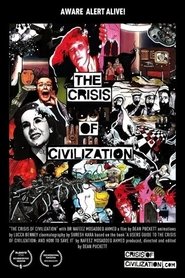
star 7.4The Crisis Civilization is a documentary feature film investigating how global crises like ecological disaster, financial meltdown, dwindling oil reserves, terrorism and food shortages are converging symptoms of a single, failed global system. Proving that 'another world' is not merely possible, but on its way.See What I'm Saying: The Deaf Entertainers Documentary
2010
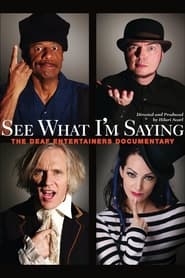
star 7This inspirational documentary follows four deaf entertainers: a comic, drummer, actor and a singer as they attempt to cross over to mainstream audiences. These uniquely talented entertainers overcome great challenges to celebrate success.American Cannibal
2006
American Cannibal
2006
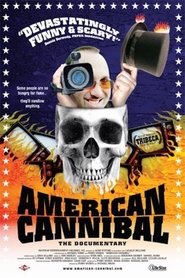
star 4.6This film documents the train-wreck production and sudden shutdown of American Cannibal, the reality TV show produced by the promoter behind the Paris Hilton sex tape.Sisters in Law
2005
Sisters in Law
2005
star 6.6Set in Kumba in South West Cameroon Sisters in Law follows Adultery, Rape and Abuse cases led by a Female Judge.The Unknown Soldier
2006
The Unknown Soldier
2006
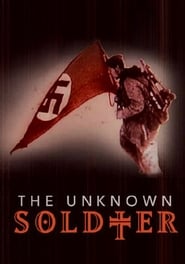
star 7In the wake of World War II, most Germans have been raised with the mistaken belief that the Holocaust had been planned and executed by just a tiny minority of Nazis, namely, the Gestapo and the SS. The sad truth, however, is that Hitler's philosophy of ethnic cleansing, as the Fuhrer so brazenly espoused in his frightening manifesto, "Mein Kampf," had been enthusiastically embraced not only by the entire military but also by most of the civilian population. The long-suppressed proof of their widespread collaboration and participation was unveiled in The Wehrmacht Exhibition, a damning collection of photographs and film footage that toured Deutschland between 1999 and 2004. The show shook the country to its core because it forced folks to face up to the fact that it took much more than a madman and his henchmen to wipe out six million.Picasso and Braque Go to the Movies
2008
star 4.4The influence that artists Pablo Picasso and George Braque had on the world of cinema is the subject of this documentary from filmmaker Arne Glimcher. A lifelong lover of film, Picasso was intrigued by the machines used to create moving pictures, as well as the images they produced. In this film, artists such as Martin Scorsese, Julian Schnabel, Chuck Close, and the late Robert Rauschenberg reveal how Picasso and Braque's shared love of film helped to create some of the greatest art of the 20th Century. ~ Jason Buchanan, RoviPutin's Kiss
2011
Putin's Kiss
2011
star 4.9Masha Drokova is a rising star in Russia's popular nationalistic youth movement, Nashi. A smart, ambitious teenager who – literally – embraced Vladimir Putin and his promise of a greater Russia, her dedication as an organizer is rewarded with a university scholarship, an apartment, and a job as a spokesperson. But her bright political future falters when she befriends a group of liberal journalists who are critical of the government, including blogger Oleg Kashin, who calls Nashi a "group of hooligans," and she's forced to confront the group's dirty – even violent – tactics.Pink Saris
2010
Pink Saris
2010
star 4.6Sampat Pal Devi, founder of India’s Gulabi (“Pink”) Gang and fearless defender of the rights of untouchable women, challenges husbands, fathers-in-law and policemen in this immersive study by acclaimed documentarian Kim Longinotto. More than a profile of an everyday heroine, the film captures the courage and sacrifice necessary for social progress.The Green Wave
2012
The Green Wave
2012
star 7.7Green was the symbol of recognition among the supporters of Iranian presidential candidate Mir-Hossein Mousavi. This documentary-collage illustrates with animated blogs and tweets the story of democracy under fire and the dramatic events before and after the 2009 presidential elections in Iran.An Ecology of Mind
2010
An Ecology of Mind
2010
star 4.6A portrait of Gregory Bateson, celebrated anthropologist, philosopher, author, naturalist, and systems theorist. His story is lovingly told by his youngest daughter, Nora, with footage from Gregory's own films shot in the 1930s with his wife Margaret Mead in Bali and New Guinea, along with photographs, filmed lectures, and interviews.Camp Victory, Afghanistan
2010
star 7.9Camp Victory, Afghanistan is the true story of the American Exit Strategy. Using 300 hours of footage shot over the course of three years, the film follows a battle-tested Afghan General and the steady stream of U.S. National Guard soldiers deployed to train the men of his newly formed battalion. It is the first film to examine the reality of building a functioning Afghan military-- but it is also a story about friendship and the unlikely bonds that form across cultural, political and social barriers.