Top Rated Documentary Movies on Kanopy - Page 86
All Services
Free Services
 Netflix
 Amazon Prime Video
 Apple iTunes
 Apple TV Plus
 Disney Plus
 Google Play Movies
 Paramount Plus
 Hulu
Hulu
 HBO Max
 YouTube
 fuboTV
 Peacock
 Peacock Premium
 Amazon Video
 The Roku Channel
 AMC+
AMC on Demand
AMC+
AMC on Demand
 Kocowa
 Hoopla
 The CW
 Vudu
Vudu
 Starz
Starz
 Showtime
 PBS
PBS
 Pantaflix
 FXNow
FXNow
 Tubi TV
 Kanopy
 Comedy Central
 Crunchyroll
 Microsoft Store
 Redbox
 Sun Nxt
 ABC
ABC
 DIRECTV
 Crackle
 Fandor
 Plex
Plex
Netflix
Amazon Prime Video
Apple iTunes
Apple TV Plus
Disney Plus
Google Play Movies
Paramount Plus
Hulu
HBO Max
YouTube
fuboTV
Peacock
Peacock Premium
Amazon Video
The Roku Channel
AMC+
AMC on Demand
Kocowa
Hoopla
The CW
Vudu
Starz
Showtime
PBS
Pantaflix
FXNow
Tubi TV
Kanopy
Comedy Central
Crunchyroll
Microsoft Store
Redbox
Sun Nxt
ABC
DIRECTV
Crackle
Fandor
Plex

Mickey Mouse Monopoly: Disney, Childhood & Corporate Power
2002
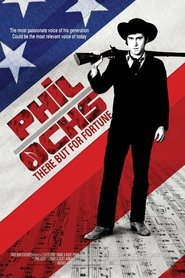
star 7.6Mickey Mouse Monopoly takes a close and critical look at the world these films create and the stories they tell about race, gender and class and reaches disturbing conclusions about the values propagated under the guise of innocence and fun. This daring new video insightfully analyzes Disney's cultural pedagogy, examines its corporate power, and explores its vast influence on our global culture. Including interviews with cultural critics, media scholars, child psychologists, kindergarten teachers, multicultural educators, college students and children, Mickey Mouse Monopoly will provoke audiences to confront comfortable assumptions about an American institution that is virtually synonymous with childhood pleasure.Phil Ochs: There But for Fortune
2011
star 6.6From civil rights to the anti-war movement to the struggles of workers, folksinger Phil Ochs wrote topical songs that engaged his audiences in the issues of the 1960s and 70s. In this biographical documentary, veteran director Kenneth Bowser shows how Phil's music and his fascinating life story and eventual decline into depression and suicide were intertwined with the history-making events that defined a generation. Even as his contemporaries moved into folk-rock and pop music, Phil followed his own vision, challenging himself and his listeners. Not one to pull punches, Ochs never achieved the commercial success he desperately desired. But his music remains relevant, reaching new audiences in a generation that finds his themes all too familiar.Media Malpractice: How Obama Got Elected and Palin Was Targeted
2009
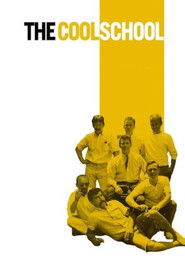
star 5.4This conservative documentary from John Ziegler poses a conspiratorial theory that President Obama was elected through mischievous actions by the media. As part of his theory, Ziegler posits that the press had to put forth a partisan agenda in order to portray vice presidential candidate Sarah Palin as inept and pandering.The Cool School
2008
The Cool School
2008
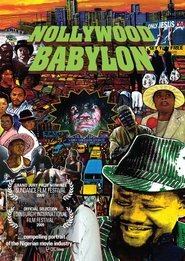
star 5.9How LA Learned to Love Modern Art. A lesson in how a few renegade artists built an art scene from scratch.Nollywood Babylon
2009
Nollywood Babylon
2009
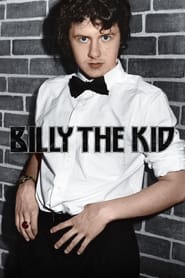
star 6.1Nigeria's film industry, Nollywood, is the third-largest in the world--an unstoppable economic and cultural force that has taken the continent by storm and is now bursting beyond the borders of Africa. "Nollywood Babylon" is a feature documentary detailing the industry's phenomenal success. Propelled by a booming 1970s soundtrack of African underground music, the movie presents an electric vision of a modern African metropolis and a revealing look at the powerhouse that is Nigerian cinema.Billy the Kid
2007
Billy the Kid
2007
star 6.3"I'm not black, I'm not white, not foreign, just different in the mind. Different brains, that's all," explains 15-year-old Billy in Jennifer Venditti's provocative coming of age film. Following Billy as he bicycles through the quiet streets of small town Maine, we watch him traverse the frustrating gap between imagination and reality, grappling with isolation and first-time young love. By turns exhilarating and disturbing, we see the world from the intimate view of an expressive and seemingly fearless outsider.Africa, I Will Fleece You
1992
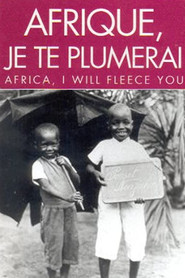
star 5.8This documentary of repressive political realities in Cameroon begins with the 1990 publication of an open letter to President Biya calling for a national conference - and the immediate arrest of the letter's author and publisher. The narration then examines the nation's colonial history, beginning with the first German missionary in 1901, the establishment of schools, French occupation following World War I, the paucity of books written by and published by Cameroonians, and the repression of the CPU, a leftist organization of the 1950s and 1960s. Cameroon and its people are the lark, its feathers plucked first by colonialism and then by native strongmen: 'Alouette, je te plumerai.'Blood and Oil
2008
Blood and Oil
2008
star 6The notion that oil motivates America's military engagements in the Middle East is often disregarded as nonsense or mere conspiracy theory. In Blood and Oil, bestselling author and Nation magazine defense correspondent Michael T. Klare challenges this conventional wisdom and corrects the historical record. The film unearths declassified documents and highlights forgotten passages in prominent presidential doctrines to show how concerns about oil have been at the core of American foreign policy for more than 60 years -- rendering our contemporary energy and military policies virtually indistinguishable. In the end, Blood and Oil calls for a radical re-thinking of US energy policy, warning that unless we change direction, we stand to be drawn into one oil war after another as the global hunt for diminishing world petroleum supplies accelerates.Tales of the Rat Fink
2006
star 5.3This is an interesting look at the Life and Times of car customizer/cartoonist Ed "Big Daddy" Roth. Through the use of many graphically enhanced photographs and "talking" cars, it is a loving look at the car culture in Southern California from the Early 50's to Ed's Passing in 2001.America The Beautiful
2008
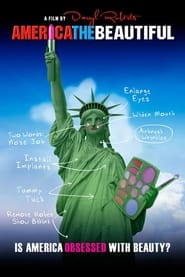
star 6.2In a society where "celebutantes" like Paris Hilton dominate newsstands and models who weigh less than 90 pounds die from malnutrition, female body image is one of the more dire problems facing today's society. "America the Beautiful" illuminates the issue by covering every base. Child models, plastic surgery, celebrity worship, airbrushed advertising, dangerous cosmetics - no rock is left unturned.In the Realm of the Hackers
2003
star 6.4In The Realm of the Hackers is a documentary about the prominent hacker community, centered in Melbourne, Australia in the late 80's to early 1990. The storyline is centered around the Australian teenagers going by the hacker names "Electron" and "Phoenix", who were members of an elite computer hacking group called The Realm and hacked into some of the most secure computer networks in the world, including those of the US Naval Research Laboratory, Lawrence Livermore National Laboratory, a government lab charged with the security of the US nuclear stockpile, and NASA.The Untold Story of Emmett Louis Till
2005
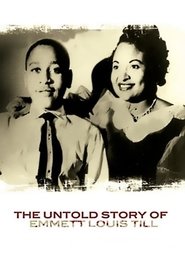
star 6.4Never-before-seen testimony is included in this documentary on Emmett Louis Till, who, in 1955, was brutally murdered after he whistled at a white woman.Horns and Halos
2002
Horns and Halos
2002
star 6.2"What if someone wrote your biography? Would there be horns and halos involved?"Amandla! A Revolution in Four-Part Harmony
2002
star 6.4The struggle to eradicate apartheid in South Africa has been chronicled over time, but no one has addressed the vital role music plays in this challenge. This documentary by Lee Hirsch recounts a fascinating and little-known part of South Africa's political history through archival footage, interviews and, of course, several mesmerizing musical performances.Bad Faith
2024
Bad Faith
2024
star 7On January 6, 2021, Americans witnessed an attack on the U.S. Capitol without precedent in our history. Armed militiamen and QAnon followers made headlines, but among them were a sea of crosses and Christian flags, rosaries and "Jesus Saves" signs. What motivated so many Christians to participate in this violent assault?E.1027: Eileen Gray and the House by the Sea
2024
star 5.8A love triangle of jealousy in the Parisian art scene of the 1930s is brought to life in a stylish docufiction about iconic artist and architect Eileen Gray, who built her modernist dream house on the Riviera, only to be upstaged by Le Corbusier.Never Look Away
2024
Never Look Away
2024
star 7.7CNN camerawoman Margaret Moth fearlessly captures footage of war zones. After receiving catastrophic injuries in the crosshairs of battle, she returns to work with more courage than ever. An intimate portrait of a trailblazing female photojournalist. Features interviews with Moth’s family and friends, including CNN’s Christiane Amanpour. A Sundance film festival premiere directed by Lucy Lawless.God & Country: The Rise of Christian Nationalism
2024
star 7.1Examines the implications of Christian Nationalism, how it distorts not only our constitutional republic, but Christianity itself, and asks the question: What happens when a faith built on love, sacrifice, and forgiveness grows political tentacles, conflating power, money, and belief into hyper-nationalism?Michel Gondry: Do It Yourself
2023
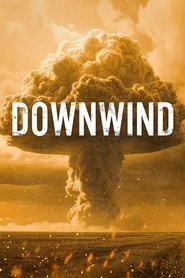
star 7.9A portrait of French filmmaker Michel Gondry, creator, for three decades, of an imperfect, astonishing, fascinating, damaged and poetic work.Downwind
2023
Downwind
2023
star 6.8A documentary about nuclear fallout in the United States, specifically members of the Shoshone Nation whose sacred land continues to be cordoned off as a nuclear test site.