Top Rated Documentary Movies on Pantaflix - Page 200
All Services
Free Services
 Netflix
 Amazon Prime Video
 Apple iTunes
 Apple TV Plus
 Disney Plus
 Google Play Movies
 Paramount Plus
 Hulu
Hulu
 HBO Max
 YouTube
 fuboTV
 Peacock
 Peacock Premium
 Amazon Video
 The Roku Channel
 AMC+
AMC on Demand
AMC+
AMC on Demand
 Kocowa
 Hoopla
 The CW
 Vudu
Vudu
 Starz
Starz
 Showtime
 PBS
PBS
 Pantaflix
 FXNow
FXNow
 Tubi TV
 Kanopy
 Comedy Central
 Crunchyroll
 Microsoft Store
 Redbox
 Sun Nxt
 ABC
ABC
 DIRECTV
 Crackle
 Fandor
 Plex
Plex
Netflix
Amazon Prime Video
Apple iTunes
Apple TV Plus
Disney Plus
Google Play Movies
Paramount Plus
Hulu
HBO Max
YouTube
fuboTV
Peacock
Peacock Premium
Amazon Video
The Roku Channel
AMC+
AMC on Demand
Kocowa
Hoopla
The CW
Vudu
Starz
Showtime
PBS
Pantaflix
FXNow
Tubi TV
Kanopy
Comedy Central
Crunchyroll
Microsoft Store
Redbox
Sun Nxt
ABC
DIRECTV
Crackle
Fandor
Plex

Hello Quo
2012
Hello Quo
2012
star 5.6Collecting hours of previously unseen footage and classic live material with full exclusive access to all band members this is the definitive story of a band that has done and seen it all. As well as full access to the band, Hello Quo! Also features input from a host of the biggest names in rock including: Brian May of Queen, Joe Elliott of Def Leppard, Thin Lizzy, Buzzcocks, Slade, Paul Weller, Sir Cliff Richard and Midge Ure. The documentary also exclusively features the moment when the original line up of the band met again for the first time in over 30 years. A truly poignant reunion, after years of legal wrangling, saw the band clear the air but also plug in and play together once again... This Access All Areas Collector s Edition includes 3 hours of astonishing never seen before Quo footage!Freeway: Crack in the System
2014
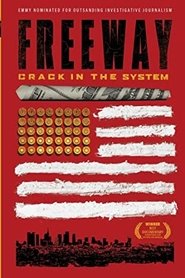
star 7.3FREEWAY: CRACK IN THE SYSTEM tells the story of broken dreams, drug dealers, dirty cops, and government complicity—more compelling than fiction, it’s the real story behind America’s longest war. This documentary by award-winning filmmaker Marc Levin (SLAM, Mr. Untouchable, Brick City) exposes how the infiltration of crack cocaine destroyed inner-city neighborhoods across the country. At the center of it all is the rise, fall and redemption of Freeway Rick Ross, a street hustler who became the King of Crack, and journalist Gary Webb, who broke the story of the CIA’s complicity in the drug war. Featuring exclusive interviews with Freeway Rick Ross, not to be confused with the rapper who took his name Pulitzer Prize winning journalist Gary Webb, his source Coral Baca, and wife Susan Webb former Los Angeles Deputy Sheriff Roberto Juarez drug trafficker Julio Zavala and many more.The Godfather Legacy
2012
The Godfather Legacy
2012
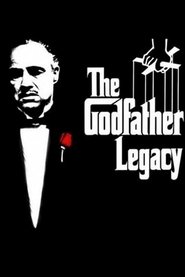
star 7.2THE GODFATHER LEGACY goes deep inside Francis Ford Coppola's epic saga about the Corleone crime family and reveals how the Academy Award-winning film and its sequels became one of the most acclaimed franchises in Hollywood history. Featuring iconic scenes from all three films, never before seen home movies and insightful interviews with filmmakers (Francis Ford Coppola, All Ruddy and Peter Bart), actors (Al Pacino, James Caan, Talia Shire, Joe Mantegna, et al.), law enforcement officials and even former Mafia members. This feature length documentary illustrates why The Godfather trilogy continues to entertain and fascinate audiences and how it continues to impact the way society views everything from capitalism to crime.Ciutat morta
2014
Maidan
2014
Maidan
2014
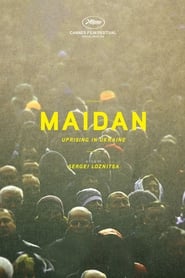
star 8A chronicle of the civil uprising against the regime of Ukrainian president Viktor Yanukovych that took place in Kyiv in the winter of 2013/14. The film follows the progress of the revolution: from peaceful rallies, half a million strong in the Maidan square, to the bloody street battles between protesters and riot police.Portrait
2002
Portrait
2002
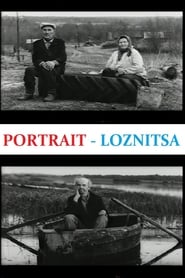
star 5.6This movie is a collection of portraits of residents of Russian countryside. Not a single word. Only long look into the camera. Landscape. Flow of time.Mala Mala
2015
Mala Mala
2015
star 5.9In a celebration of the trans community in Puerto Rico, the fissure between internal and external is an ever-present battle. A unique exploration of self-discovery and activism, featuring a diverse collection of subjects that include LGBTQ advocates, business owners, sex workers, and a boisterous group of drag performers who call themselves The Doll House, Mala Mala portrays a fight for personal and community acceptance paved with triumphant highs and devastating lows.Advanced Style
2014
Advanced Style
2014
star 6.8Advanced Style examines the lives of seven unique New Yorkers whose eclectic personal style and vital spirit have guided their approach to aging. Based on Ari Seth Cohen’s famed blog of the same name, this film paints intimate and colorful portraits of independent, stylish women aged 62 to 95 who are challenging conventional ideas about beauty, aging, and Western’s culture’s increasing obsession with youth.Brasilia, Contradictions of a New City
1968
star 7.5In 1967, de Andrade was invited by the Italian company Olivetti to produce a documentary on the new Brazilian capital city of Brasília. Constructed during the latter half of the 1950s and founded in 1960, the city was part of an effort to populate Brazil’s vast interior region and was to be the embodiment of democratic urban planning, free from the class divisions and inequalities that characterize so many metropolises. Unsurprisingly, Brasília, Contradições de uma Cidade Nova (Brasília, Contradictions of a New City, 1968) revealed Brasília to be utopic only for the wealthy, replicating the same social problems present in every Brazilian city. (Senses of Cinema)Breadcrumb Trail
2014
Breadcrumb Trail
2014
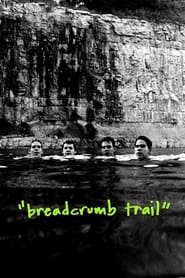
star 7.6Breadcrumb Trail focuses on Slint's seminal album, Spiderland, and the Louisville music scene from which the band originated.We Come as Friends
2014
We Come as Friends
2014
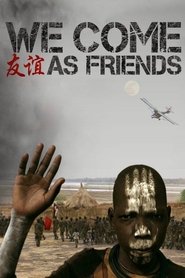
star 6.8As war-ravaged South Sudan claims independence from North Sudan and its brutal President, Omar al-Bashir, a tiny, homemade prop plane wings in from France. It is piloted by eagle-eyed documentarian Hubert Sauper, who is mining for stories in a land trapped in the past but careening toward an apocalyptic future.Laurel & Hardy: Their Lives and Magic
2011
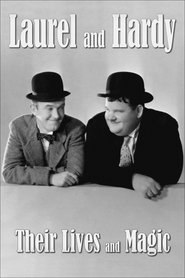
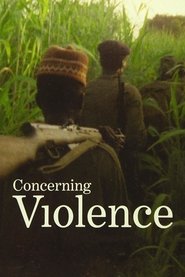
star 7.7The lives of Stan Laurel (1890-1965) and Oliver Hardy (1892-1957), on the screen and behind the curtain. The joy and the sadness, the success and the failure. The story of one of the best comic duos of all time: a lesson on how to make people laugh.Concerning Violence
2014
Concerning Violence
2014
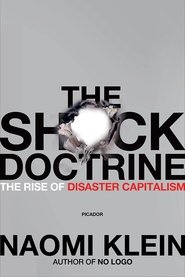
star 7Based on powerful archival material documenting the most daring moments in the struggle for liberation in the Third World, this documentary is accompanied by classic text from The Wretched of the Earth by Frantz Fanon.The Shock Doctrine
2007
The Shock Doctrine
2007
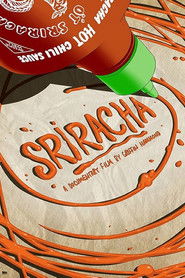
star 7.4Drawing surprising connections between market methods and CIA torture techniques developed in the 1950s, the film explores how well-known events of the recent past have been theaters for the shock doctrine, from Pinochet's coup in Chile, to the Tiananmen Square Massacre, to the war in Iraq today.Sriracha
2013
Sriracha
2013
star 7.4Sriracha has earned a cult following, but the story of this spicy sauce is a mystery to most fans. Dedicated to Sriracha lovers, this fast-paced documentary travels around the globe to reveal its origin and the man behind the iconic 'rooster sauce.'Scenes from the Life of Andy Warhol: Friendships & Intersections
1990
star 6.5Jonas Mekas’s intimate diary film spans 1963 to 1990, capturing Andy Warhol alongside friends and collaborators from the New York avant-garde. Featuring figures such as Allen Ginsberg, John Lennon, Yoko Ono, and George Maciunas—as well as rare footage of the Velvet Underground’s first performance—it offers a personal portrait of Warhol’s world and his intersections with art, music, and counterculture.The Finnish Flash - A Teemu Selänne Story
2013
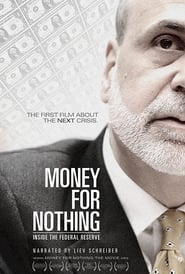
star 6.8Selänne is a documentary about Teemu Selänne—the best Finnish ice hockey player of all time. It's directed by JP Siili, whose previous films include such hits as Härmä and Ganes. We've followed the heroic tales of Selänne for over two decades. His exploits are famous, but now we get to know Selänne the man. In this documentary Teemu lets the viewer get close and under his skin. The film follows Selänne's journey from childhood to the latest NHL season. We see the life story of an exceptional athlete inside and out, not only through Teemu's words, but through the views of his loved ones and colleagues. Selänne is charismatic, social, irritating, charming, happy and always late. Welcome to the life of Teemu Selänne!Money for Nothing: Inside the Federal Reserve
2013
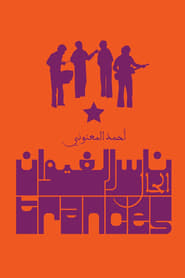
star 6.8Nearly 100 years after its creation, the power of the U.S. Federal Reserve has never been greater. Markets and governments around the world hold their breath in anticipation of the Fed Chairman's every word. Yet the average person knows very little about the most powerful - and least understood - financial institution on earth. Narrated by Liev Schreiber, Money For Nothing is the first film to take viewers inside the Fed and reveal the impact of Fed policies - past, present, and future - on our lives. Join current and former Fed officials as they debate the critics, and each other, about the decisions that helped lead the global financial system to the brink of collapse in 2008. And why we might be headed there again.Trances
1982
Trances
1982
star 6.8A portrait of the groundbreaking Moroccan band Nass El Ghiwane, documenting a series of electrifying live performances in Tunisia, Morocco, and France; on the streets of Casablanca; and in intimate conversations. Storytellers through song and traditional instruments, and with connections to political theatre, the band became a local phenomenon and an international sensation, thanks to their rebellious lyrics and sublime, fully acoustic sound, which draws on Berber rhythms, Malhun sung poetry, and Gnawa dances.