Top Rated Documentary Movies on Pantaflix - Page 203
All Services
Free Services
 Netflix
 Amazon Prime Video
 Apple iTunes
 Apple TV Plus
 Disney Plus
 Google Play Movies
 Paramount Plus
 Hulu
Hulu
 HBO Max
 YouTube
 fuboTV
 Peacock
 Peacock Premium
 Amazon Video
 The Roku Channel
 AMC+
AMC on Demand
AMC+
AMC on Demand
 Kocowa
 Hoopla
 The CW
 Vudu
Vudu
 Starz
Starz
 Showtime
 PBS
PBS
 Pantaflix
 FXNow
FXNow
 Tubi TV
 Kanopy
 Comedy Central
 Crunchyroll
 Microsoft Store
 Redbox
 Sun Nxt
 ABC
ABC
 DIRECTV
 Crackle
 Fandor
 Plex
Plex
Netflix
Amazon Prime Video
Apple iTunes
Apple TV Plus
Disney Plus
Google Play Movies
Paramount Plus
Hulu
HBO Max
YouTube
fuboTV
Peacock
Peacock Premium
Amazon Video
The Roku Channel
AMC+
AMC on Demand
Kocowa
Hoopla
The CW
Vudu
Starz
Showtime
PBS
Pantaflix
FXNow
Tubi TV
Kanopy
Comedy Central
Crunchyroll
Microsoft Store
Redbox
Sun Nxt
ABC
DIRECTV
Crackle
Fandor
Plex

Sea Urchins
1954
Sea Urchins
1954
star 6.2Underwater photography, magnified close-ups, and film through microscope present the sea urchin, a complex creature. We see their mouth and five teeth close and open. After injecting one with gelatin, the shell is removed and we see the muscle structure, digestive tube, and reproductive organs. Magnified stems reveal suction cups; stems lengthen and contract allowing the sea urchin to move. We see microscopic calcareous stems; at their ends are jaws with various uses. Cilia everywhere are in constant motion, stirring up water and debris. African music on the soundtrack suggests a shuffle dance.The Octopus
1928
The Octopus
1928
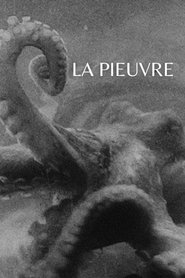
star 6.4An octopus slithers over objects on land—a doll, a skull—then oozes along the shore into the sea. It secretes its ink. The camera follows it along rocks into deeper water, watching closely as it breathes. Its eye is closed then open. Simple titles, in French and German, suggest what to watch. The octopus alternates the use of breathing tubes on either side. It changes color as cells on its skin contract or dilate. Extreme magnification helps us see these changes. Two struggle, one dies. On shore, fishermen catch them and put them in pails. A single tentacle still has life. Back in the sea, two octopi attack a crab. Soon only a couple of crab legs are visible in the mouth of the victor.Histoire(s) du Cinéma 3b: A New Wave
1998
star 6.4Part 6 of Godard's 8 part examination of the history of the concept of cinema and how it relates to the 20th centuryHistoire(s) du Cinéma 2b: Deadly Beauty
1997
star 6.5A very personal look at the history of cinema directed, written and edited by Jean-Luc Godard in his Swiss residence in Rolle for ten years (1988-98); a monumental collage, constructed from film fragments, texts and quotations, photos and paintings, music and sound, and diverse readings; a critical, beautiful and melancholic vision of cinematographic art.Nothing but Time
1926
Nothing but Time
1926
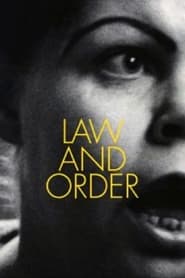
star 7.3The life of a great city (Paris) from dawn until dusk, including the beautiful and the ragged, the rich and the poor.Law and Order
1969
Law and Order
1969
star 7LAW & ORDER surveys the wide range of work the police are asked to perform: enforcing the law, maintaining order, and providing general social services. The incidents shown illustrate how training, community expectations, socio-economic status of the subject, the threat of violence, and discretion affect police behavior.… And the Pursuit of Happiness
1986
star 6.9In 1986, Louis Malle examines the immigrant experience in America by interviewing newcomers from various professions nationwide, highlighting their struggles in a multicultural society.Lift
2001
Lift
2001
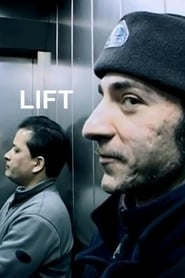
star 7.2Director Marc Isaacs installs himself in the lift of a typical English tower block. People start talking to him, and we discover their lives.The Belovs
1992
The Belovs
1992
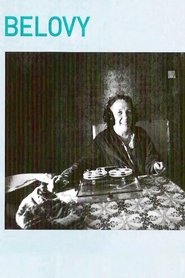
star 4.4Portrait of a troubled peasant family. The film tells the story of two times widow Anna Belova who lives together with her brother Mikhail. Blending the two personalities, Kosakovsky characterizes the true Russian soul: she is the rational worker, honest and strong - he is the drunken poet, the idealist, his philosophy fades into radical nonsense time after time.Farrebique, or the Four Seasons
1947
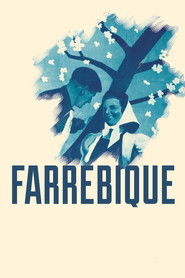
star 6.8Farrebique, the first feature-length effort of French documentary filmmaker Georges Rouqier, is widely regarded as his finest film. Rouqier concentrates on a single French farm family, following them through the four seasons. As in the works of Robert Flaherty, the human characters and the land surrounding them are "one", and Rouqier never misses an opportunity to parallel their lives with the eons-old phases of nature. The final symbolic images of Spring, achieved through time-lapse photography, are almost unbearably beautiful. The winner of several festival awards, Farrebique nonetheless did not immediately result in an outpouring of financing for Rouqier's follow-up films (this was a common problem in the financially strapped French film industry of the 1940s). Perhaps as a result, Rouqier did not make his sequel, Biquefarre (filmed in the same region, with some of the same "actors"), until 1983.Walking with Cavemen
2003
Walking with Cavemen
2003
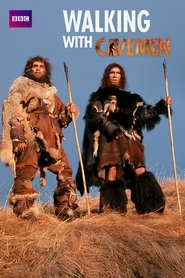
star 7.5The great follow-up to 'Walking with Dinosaurs' and 'Walking with Beasts', presented by Professor Robert Winston, explains the story of human evolution.Hit So Hard
2012
Hit So Hard
2012
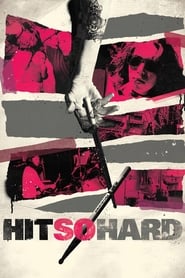
star 5The rise to fame (and the near-fatal fall from it) of Patty Schemel, drummer for Courtney Love's seminal rock band, Hole. Given a Hi-8 video camera just before Hole's infamous Live Through This world tour, Patty captured stunningly intimate footage of the scene that has never been seen... until now. Not just an all-access backstage pass to the music that shaped a generation, Hit So Hard is a harrowing tale of overnight success, the cost of addiction, and ultimately, recovery and redemption.Gregory Crewdson: Brief Encounters
2012
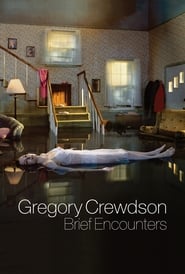
star 7Filmed over a decade, Brief Encounters follows internationally renowned photographer Gregory Crewdson's quest to create his unique, surreal, and incredibly elaborate portraits of suburban life. He sets a house on fire, builds 90 foot sets with crews of sixty, shuts down city streets...all in the service of his haunted image of American life, and his own anxieties, dreams and inner desires. Brief Encounters is an intimate portrait of one of the most heralded image-makers of our time.Brooklyn Castle
2012
Brooklyn Castle
2012
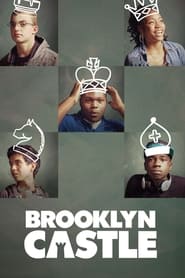
star 6.8Brooklyn Castle is a documentary about I.S. 318 – an inner-city school where more than 65 percent of students are from homes with incomes below the federal poverty level – that also happens to have the best, most winning junior high school chess team in the country. (If Albert Einstein, who was rated 1800, were to join the team, he’d only rank fifth best.) Chess has transformed the school from one cited in 2003 as a “school in need of improvement” to one of New York City’s best. But a series of recession-driven public school budget cuts now threaten to undermine those hard-won successes.Permutations
1968
Permutations
1968
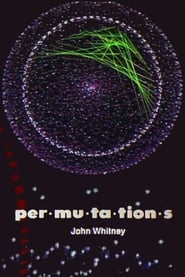
star 6An experimental short film by John Whitney Sr. which combines animated shapes and colors; Computer graphics as dynamic, swirling art. Preserved by the Academy Film Archive in 2014.Bombay Beach
2011
Bombay Beach
2011
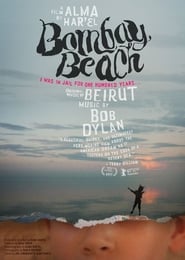
star 6.4Bombay Beach is one of the poorest communities in southern California located on the shores of the Salton Sea, a man-made sea stranded in the middle of the Colorado desert that was once a beautiful vacation destination for the privileged and is now a pool of dead fish. Film director Alma Har'el tells the story of three protagonists. Together these portraits form a triptych of manhood in its various ages and guises...Dope Sick Love
2005
Dope Sick Love
2005
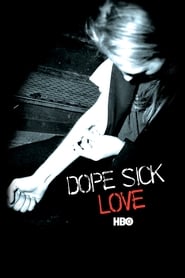
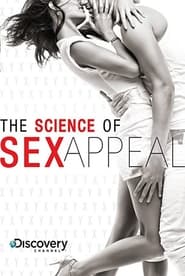
star 6.3Two heroin-addicted couples lead hard and stressful lives on the streets of New York.The Science of Sex Appeal
2009
star 5.8This documentary program takes an in-depth look at the scientific side of human sexuality and attraction, examining biological concepts and the opinions of experts in order to greater understand the roles that hormones, evolution, and genetics have in determining issues of flirting, love, and passion.A Skin Too Few: The Days of Nick Drake
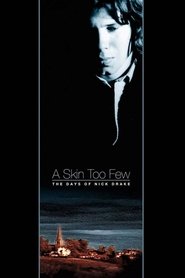
2002
star 7.3Profile of musician Nick Drake, who was only 26 when he died in 1974 but whose three albums have been deeply and increasingly influential on the rock and pop world.Dirty Pictures
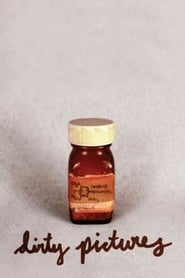
2010
Dirty Pictures
2010
star 6.1Alexander 'Sasha' Shulgin is the scientist behind more than 200 psychedelic compounds including MDMA, more commonly known as Esctasy. Considered to be one of the the greatest chemists of the twentieth century, Sasha's vast array of discoveries have had a profound impact in the field of psychedelic research. 'Dirty Pictures' delves into the lifework of Dr. Shulgin and scientists alike, explores the world of these scientists; their findings and motivations, their ideas, and their beliefs as to how research in this particular field can aid in unlocking the complexities of the mind.