Top Rated Documentary Movies on Pantaflix - Page 202
All Services
Free Services
 Netflix
 Amazon Prime Video
 Apple iTunes
 Apple TV Plus
 Disney Plus
 Google Play Movies
 Paramount Plus
 Hulu
Hulu
 HBO Max
 YouTube
 fuboTV
 Peacock
 Peacock Premium
 Amazon Video
 The Roku Channel
 AMC+
AMC on Demand
AMC+
AMC on Demand
 Kocowa
 Hoopla
 The CW
 Vudu
Vudu
 Starz
Starz
 Showtime
 PBS
PBS
 Pantaflix
 FXNow
FXNow
 Tubi TV
 Kanopy
 Comedy Central
 Crunchyroll
 Microsoft Store
 Redbox
 Sun Nxt
 ABC
ABC
 DIRECTV
 Crackle
 Fandor
 Plex
Plex
Netflix
Amazon Prime Video
Apple iTunes
Apple TV Plus
Disney Plus
Google Play Movies
Paramount Plus
Hulu
HBO Max
YouTube
fuboTV
Peacock
Peacock Premium
Amazon Video
The Roku Channel
AMC+
AMC on Demand
Kocowa
Hoopla
The CW
Vudu
Starz
Showtime
PBS
Pantaflix
FXNow
Tubi TV
Kanopy
Comedy Central
Crunchyroll
Microsoft Store
Redbox
Sun Nxt
ABC
DIRECTV
Crackle
Fandor
Plex

God Loves Uganda
2013
God Loves Uganda
2013
star 6.6A powerful exploration of the evangelical campaign to infuse African culture with values imported from America's Christian Right. The film follows American and Ugandan religious leaders fighting sexual immorality and missionaries trying to convince Ugandans to follow biblical law.Fire in the Blood
2013
Fire in the Blood
2013
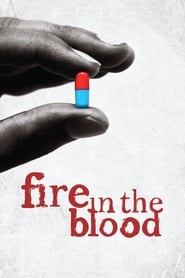
star 7.5An intricate tale of "medicine, monopoly and malice", Fire in the Blood tells the story of how Western pharmaceutical companies and governments blocked access to low-cost AIDS drugs for the countries of the global south in the years after 1996 - causing ten million or more unnecessary deaths - and the improbable group of people who decided to fight back. Shot on four continents and including contributions from global figures such as Bill Clinton, Desmond Tutu and Joseph Stiglitz, Fire in the Blood is the never-before-told true story of the remarkable coalition which came together to stop 'the crime of the century' and save millions of lives in the process.Still Screaming: The Ultimate Scary Movie Retrospective
2011
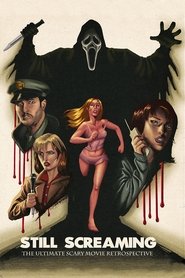
star 7.7A year in the making, Still Screaming is the definitive documentary on the making of the iconic Scream movies. Dive into the fascinating success story of the classic trilogy with on-set footage and photos, and dozens of brand new interviews with cast and crew from all the films including Wes Craven, Neve Campbell, Liev Schreiber, Henry Winkler, Matthew Lillard, Jamie Kennedy, Laurie Metcalf, Parker Posey, Scott Foley and many others. Written and Directed by Ryan Turek and Produced by Anthony Masi.Buenos Aires Zero Degree: The Making of 'Happy Together'
1999
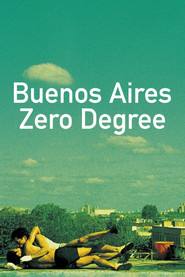
star 7.1A making of documentary for Happy Together. Includes interviews, on-set footage, cut scenes and footage of crew members revisiting the locations where Happy Together was filmed.Ostriches
1896
The Sarnos: A Life in Dirty Movies
2013
star 5.9A love story about the legendary sexploitation director Joe Sarno and his loyal wife and business partner Peggy. The film relates their part in the history of sex film, their lives between New York and Sweden, and their struggle to produce one last erotic film.The Ra Expeditions
1972
The Ra Expeditions
1972
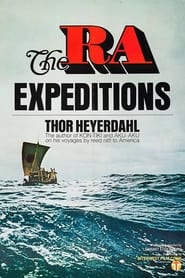
star 7Ra [also known as The Ra Expeditions] is a 1972 documentary film directed by Lennart Ehrenborg and Thor Heyerdahl about the expeditions organised by Thor Heyerdahl in 1969 and 1970 in attempt to cross the Atlantic on papyrus boats. It was nominated for an Academy Award for Best Documentary Feature.97% Owned
2012
97% Owned
2012
star 7.597% owned present serious research and verifiable evidence on our economic and financial system. This is the first documentary to tackle this issue from a UK-perspective and explains the inner workings of Central Banks and the Money creation process. When money drives almost all activity on the planet, it's essential that we understand it. Yet simple questions often get overlooked, questions like; where does money come from? Who creates it? Who decides how it gets used? And what does this mean for the millions of ordinary people who suffer when the monetary, and financial system, breaks down? Produced by Queuepolitely and featuring Ben Dyson of Positive Money, Josh Ryan-Collins of The New Economics Foundation, Ann Pettifor, the "HBOS Whistleblower" Paul Moore, Simon Dixon of Bank to the Future and Nick Dearden from the Jubliee Debt Campaign.Gloria!
1979
Gloria!
1979
star 4.9In GLORIA! Frampton juxtaposes nineteenth-century concerns with contemporary forms through the interfacing of a work of early cinema with a videographic display of textual material. These two formal components (the film and the texts) in turn relate to a nineteenth-century figure, Frampton's maternal grandmother, and to a twentieth-century one, her grandson (filmmaker Frampton himself). In attempting to recapture their relationship, GLORIA! becomes a somewhat comic, often touching meditation on death, on memory and on the power of image, music and text to resurrect the past.Easter in Sicily
1955
Easter in Sicily
1955
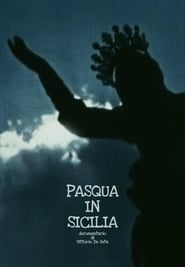
star 5.6A short film which retells the story of Jesus Christ's death and resurrection.LBJ
1968
LBJ
1968
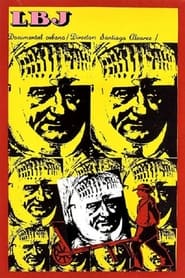
star 5.7This is a montage of different images from the JFK, Martin Luther King and Bobby Kennedy triumphs and assassinations, all three events being observed by Lyndon Johnson as the dark figure who is plotting the anti-black rights movement.The Forgotten
1959
The Forgotten
1959
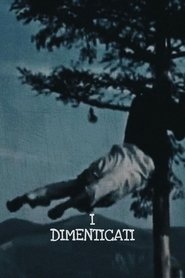
star 6.6Vittorio De Seta travels to Alessandria del Carretto, a small town in the province of Cosenza, to capture a unique celebration known as the “Feast of Silver.”Critic
2008
Critic
2008
star 7.9Seventy critics and filmmakers discuss cinema around the conflict between the artist and the observer, the creator and the critic. Between 1998 and 2007, Kléber Mendonça Filho recorded testimonies about this relationship in Brazil, the United States and Europe, based on his experience as a critic.Games on Reflection and Speed
1925
star 6.1A high-speed view of Paris via train-track; Zooming down the Seine by boat. Chomette's first film, Games of Reflections and Speed, traverses tunnels and elevated railways to produce a disarming rhythm.Granton Trawler
1934
Granton Trawler
1934
star 4.9Documentary following an Edinburgh fishing trawler, the "Isabella Grieg".Journal de France
2012
Journal de France
2012
star 6.8A journal, a voyage through time. He photographs France, she rediscovers the unseen footage he has so carefully kept: his first steps behind the camera, his TV reports from around the world, snatches of their memories and of our history.Five Dedicated to Ozu
2003
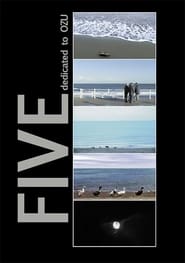
star 5.7Finding himself in a house in the north of Iran by the Caspian Sea, the director picked up his handheld DV camera and began filming the seemingly anodyne events happening on the 500 metres of beach in front of his house—a piece of wood toyed with by the waves, people walking by the sea, indistinct shapes on a wintry beach or noisy ducks.Galician Caress (of Clay)
1995
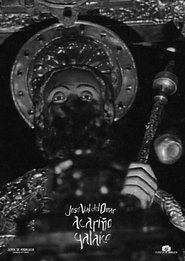
star 6.3This film was reconstructed and completed in 1995 by Javier Codesal for the Filmoteca de Andalucia, from the montage and the sound that Val del Omar had outlined before his death, after having returned to a project abandoned twenty years before with the incorporation of significant additions (above all in the soundtrack). Val del Omar's notes show that, as he typically did, he had other alternative titles in mind, such as "Acariño de la Terra Meiga" (Caress of the Magic Land), "Acariño a nosa terra" (Caress of Our Land), or "Barro de ánimas" (Clay of Souls), and that in the final phase of the unfinished project he wanted to add a second sound channel – following the diaphonic principle, and using electro-acoustic techniques – consisting of ambient material that he intended to record at the first screenings of the film in the very places and to the very people that were its origin: its "clay".Avenue de l'Opéra
1900