Top Rated Documentary Movies on Pantaflix - Page 478
All Services
Free Services
 Netflix
 Amazon Prime Video
 Apple iTunes
 Apple TV Plus
 Disney Plus
 Google Play Movies
 Paramount Plus
 Hulu
Hulu
 HBO Max
 YouTube
 fuboTV
 Peacock
 Peacock Premium
 Amazon Video
 The Roku Channel
 AMC+
AMC on Demand
AMC+
AMC on Demand
 Kocowa
 Hoopla
 The CW
 Vudu
Vudu
 Starz
Starz
 Showtime
 PBS
PBS
 Pantaflix
 FXNow
FXNow
 Tubi TV
 Kanopy
 Comedy Central
 Crunchyroll
 Microsoft Store
 Redbox
 Sun Nxt
 ABC
ABC
 DIRECTV
 Crackle
 Fandor
 Plex
Plex
Netflix
Amazon Prime Video
Apple iTunes
Apple TV Plus
Disney Plus
Google Play Movies
Paramount Plus
Hulu
HBO Max
YouTube
fuboTV
Peacock
Peacock Premium
Amazon Video
The Roku Channel
AMC+
AMC on Demand
Kocowa
Hoopla
The CW
Vudu
Starz
Showtime
PBS
Pantaflix
FXNow
Tubi TV
Kanopy
Comedy Central
Crunchyroll
Microsoft Store
Redbox
Sun Nxt
ABC
DIRECTV
Crackle
Fandor
Plex

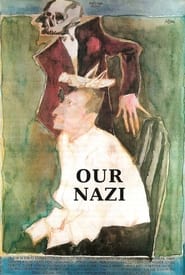
Our Nazi
1984
Our Nazi
1984
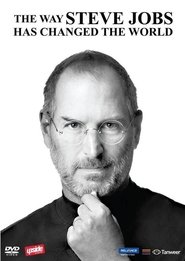
star 8.5In Our Nazi, we are plunged into a situation we barely, and only slowly, understand: the filming of Thomas Harlan’s experimental feature Wundkanal (1984), in which true-life ex-SS officer Alfred Filbert, now very old, is ‘put on trial’ for the camera, without him suspecting what is to come or why he is really there. Kramer’s confronting film is an essay about the sticky complicity of everyone present at this event, each bringing their own history, their own political ideology, their own desires to take revenge, to seek redemption or compassion, or just to put their heads down and ‘get the job done’ professionally, or (in the case of Filbert) to be a star, a part of the magnificent, magical, seductive world of cinema, even if it kills him.The Way Steve Jobs Changed the World
2011
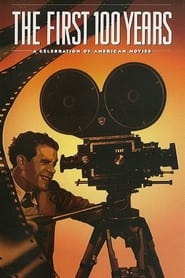
star 6An examination of the career and influence of the American business leader and technology innovator.The First 100 Years: A Celebration of American Movies
1995
star 7.8Based on the first centenary of the largest exporter of films in the world, that is Hollywood, is the story told by its protagonists, actors and writers and other people who made life in this business, interspersing images of famous movies.Questioning Darwin
2014
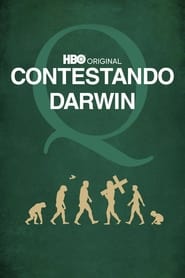
Questioning Darwin
2014
star 5.2Literal and creationist interpretation of the Bible is the fastest-growing branch of Christianity in the U.S. This film takes an in-depth look at the views of these Christians who reject Charles Darwin's theory of evolution--while also examining how Darwin handled the question of God himself as he developed his theory of natural selection in the mid-1800s.An Apology to Elephants
2013
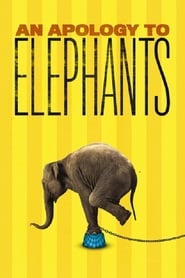
star 7.8Elephants are among the most majestic and intelligent creatures on Earth--but for hundreds of years, they have suffered at the hands of humans. Narrated by Lily Tomlin, this documentary short traces our long history with elephants and explores the many problems that arise when they are brought to live in captivity in zoos and circuses.Ghosts of Ole Miss
2012
Ghosts of Ole Miss
2012
star 7In the fall of 1962, a dramatic series of events made Civil Rights history and changed a way of life. On the eve of James Meredith becoming the first African-American to attend class at the University of Mississippi, the campus erupted into a night of rioting between those opposed to the integration of the school and those trying to enforce it. Before the rioting ended, the National Guard and Federal troops were called in to put an end to the violence and enforce Meredith's rights as an American citizen.Three of Hearts: A Postmodern Family
2005
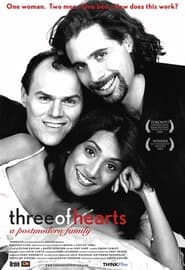
star 5In his early twenties, Sam Cagnina, oldest son of a Mafia hit man, meets Steven, a handsome 19-year old college student and they fall in love. Then, after a few years Sam offers Steven a "visionary" idea. What if they could find a woman who would fall in love with both of them and agree to live in a "trio" relationship? They spend the next 7 years dating and looking for that special woman. Finally, they meet Samantha, a young, struggling actress. THREE OF HEARTS explores this very unique trio union as they negotiate their living arangements, fall in love and open one of the hottest wellness centres in New York City. Everyone who comes in contact with them is never quite sure how the relationship works. But the one thing which seems certain is their love for each other.Naked Making Lunch
1992
Origins of a Meal
1979
Origins of a Meal
1979
star 6.6Bananas, eggs, and tuna: three basic foodstuffs with three wildly different points of origin. Moullet begins with these on his plate but constructs his film by working backwards and finding the sources for these items and how they reach our plates. As Moullet’s investigation deepens, however, the film moves beyond the confines of a simple exploration of food origins into more political and social realms, not only relating to food but also to the medium of film.Big Mama
2000
Big Mama
2000
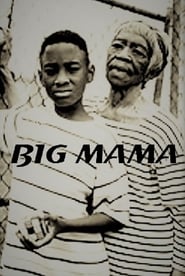
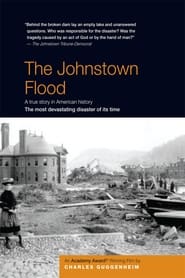
star 6.5Eighteen months in the life of 89 years old Viola Dees as she tries of persuade Los Angeles authorities that she can care for her grandson, 9-year-old Walter.The Johnstown Flood
1989
The Johnstown Flood
1989
star 7.1On May 30, 1889 the South Fork Dam, which maintained a pleasure lake for wealthy Pittsburgh industrialists and their families, failed due to very heavy rains and poor maintenance by the dam's owners. The burst dam sent a wall of water and debris, 40 feet high and half a mile wide, 14 miles downstream to the bustling industrial city of Johnstown, Pennsylvania. More than 2000 people lost their lives in the disaster. This documentary tells the story, and tells us that the disaster was easily avoidable.Nails
1979
Nails
1979
star 7This Oscar-nominated documentary short tracks the shift in the relationship of an individual to his work between the 19th century and today. Focusing on how nails are made, we first see a blacksmith laboring at his forge, shaping nails from single strands of steel rods. The scene then shifts from this peaceful setting to the roar of a 20th century nail mill, where banks of machines draw, cut, and pound the steel rods faster than the eye can follow.Ai Weiwei: The Fake Case
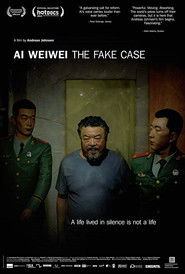
2013
star 4.8After 81 days of solitary detention world famous Chinese artist Ai Weiwei is put under house arrest. He suffers from sleeping disorder and memory loss, 18 cameras are monitoring his studio and home, police agents follow his every move, and heavy restrictions from the Kafkaesque Chinese authorities weigh him down. Journalists, the art world and his family all want a piece of him and on top of that he is met with a gigantic lawsuit from the Chinese government, soon to be named 'The Fake Case'. Ai Weiwei is shaken, but during the year on probation he steadily finds new ways to provoke and challenge the mighty powers of the Chinese authorities in his fight for human rights. Ai Weiwei strongly believes that China is ready for change. And he will do everything to make it happen.Universe
1976
The End of the Game
1976
The End of the Game
1976
star 7.2An intimate view of the panorama of African wildlife, giving a sense of what it is really like to be there, and in a dramatic climax makes a poignant plea for conservation. Filmed in Zaire, Kenya and Tanzania, the film takes the viewer from deep inside an anthill, to the majestic giraffes suckling their young. African storms, dung beetle ritual dances, duels for supremacy, feeding time, and playtime all end as the animals disappear one by one while the sound of a rifle shatters the existing magic of life. Winner of the Academy Award for Documentary Short Subject, 1976.Norman Rockwell's World... An American Dream
1972
star 6.6A short documentary film about artist Norman Rockwell. The film won an Oscar at the 45th Academy Awards, held in 1973, for Best Short Subject.Wild Wings
1965
Wild Wings
1965
star 6.3Exploration of the Slimbridge Wild Fowl Trust in Gloucestershire, England, which boasts the largest collection of living wild fowl in the world.To Be Alive!
1964
To Be Alive!
1964
star 7.1"To Be Alive!" was designed to celebrate the common ground between different cultures by tracing how children in various parts of the world mature into adulthood.The Wetback Hound
1957
The Wetback Hound
1957
star 6.8The Wetback Hound is a 1957 American live-action short film produced Walt Disney Productions. It was produced and co-directed by Larry Lansburgh, and it accompanied the theatrical release of the Disney feature Johnny Tremain. In 1958, the film won the Academy Award for Best Live Action Short Film at the 30th Academy Awards.