Top Rated History Movies on Pantaflix - Page 194
All Services
Free Services
 Netflix
 Amazon Prime Video
 Apple iTunes
 Apple TV Plus
 Disney Plus
 Google Play Movies
 Paramount Plus
 Hulu
Hulu
 HBO Max
 YouTube
 fuboTV
 Peacock
 Peacock Premium
 Amazon Video
 The Roku Channel
 AMC+
AMC on Demand
AMC+
AMC on Demand
 Kocowa
 Hoopla
 The CW
 Vudu
Vudu
 Starz
Starz
 Showtime
 PBS
PBS
 Pantaflix
 FXNow
FXNow
 Tubi TV
 Kanopy
 Comedy Central
 Crunchyroll
 Microsoft Store
 Redbox
 Sun Nxt
 ABC
ABC
 DIRECTV
 Crackle
 Fandor
 Plex
Plex
Netflix
Amazon Prime Video
Apple iTunes
Apple TV Plus
Disney Plus
Google Play Movies
Paramount Plus
Hulu
HBO Max
YouTube
fuboTV
Peacock
Peacock Premium
Amazon Video
The Roku Channel
AMC+
AMC on Demand
Kocowa
Hoopla
The CW
Vudu
Starz
Showtime
PBS
Pantaflix
FXNow
Tubi TV
Kanopy
Comedy Central
Crunchyroll
Microsoft Store
Redbox
Sun Nxt
ABC
DIRECTV
Crackle
Fandor
Plex

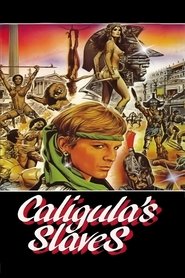
Caligula's Slaves
1984
Caligula's Slaves
1984
star 2.2Roman emperor Caligula leaves the last days of glory amidst orgies of food and sex. During a show by two nude slaves, the emperor is particularly attracted to one of them, Lysia, ignoring that she had been planted close to him with orders to murder him. Only, the young man makes her feel for him, passion and motherly love, and she'll protect him rather then fulfill her mission. Drama ensues.Bleeder
2003
Bleeder
2003
star 2.9Maximilian was a righteous man, but a member of a fearsome clan of bandits. One day he encounters the destination: the witches of the moors advocate his ascension to the control of the band. From that moment, the man was just what doubts assail, ambition, fear of betrayal and the oath of obedience to the will of the chief Durán, who must kill to take command.Tepeyac
1917
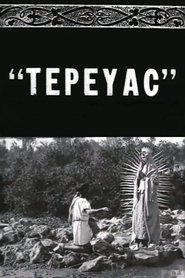
Tepeyac
1917
star 5.2A man (Arroyo Carrillo) is sent to Europe on a diplomatic mission. The ship in which he travels is sunk by a German submarine. In Mexico, his girlfriend Lupita (Cota) receives a telegram with the news and looks for relief in La Virgen de Guadalupe, saint patron of catholic mexicans. After reading a book about the Virgin legend, Lupita falls asleep. Next morning, she receives good news, her boyfriend is alive. Together they go to La Villa del Tepeyac (a church devoted to La Virgen de Guadalupe) and thank for the miracle.Grey Wolf: The Escape of Adolf Hitler
2014
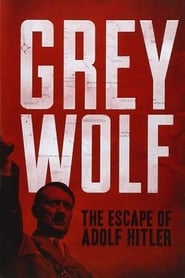
star 5.8History tells us that Hitler died on April 30th 1945 by committing suicide with a single gunshot to the head; but what if history is wrong? Based on interviews with eye witnesses and years of dedicated research, this film dramatisation explores the possibility that Hitler didn't die in Germany at the end of the war, but instead escaped from Berlin by air and made his way to Argentina. This is the gripping story of what might have happened; the CIA s possible involvement, his life in Patagonia, the escape routes and the astonishing fact that Hitler may have had two daughters.Carmen
1926
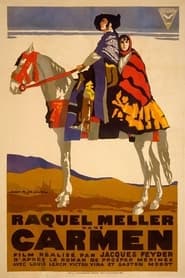
Carmen
1926
star 6.1Feyder's scenario very closely follows Don José's own account of his story and his fatal relation with the gypsy Carmen in the third chapter of Mérimée's short novel.The Gold Spinners
2013
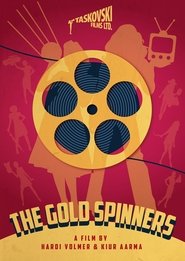
The Gold Spinners
2013
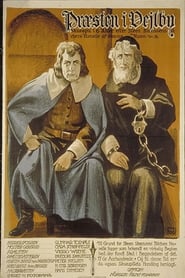
star 6.5The Gold Spinners is a story about the birth, glory, and disappearance of a peculiar, invisible, and mighty business empire, the film studio Eesti Reklaamfilm, the only company producing commercials in the Soviet Union.The Vicar of Vejlby
1931
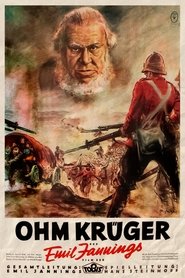
Uncle Krüger
1941
Uncle Krüger
1941
star 7.5An anti-British propaganda film from Nazi Germany which depicts the life of the South African politician Paul Kruger and his eventual defeat by the British during the Boer War.The Wedding Day
1956
The Wedding Day
1956
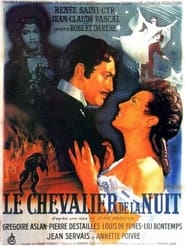
star 6Master Maeng is very proud that an influential family will soon be his esteemed in-laws when his loving daughter, Mi-yeon, marries their son. A few days before the wedding Maeng hears a rumor that his future son-in-law has a cripple leg. Regretting that he can't give his lovely daughter to a cripple, he decides to marry his maid to him instead. Unexpectedly the future son-in-law shows up at the wedding hall and he is not a cripple, but a healthy and handsome youth. Feeling embarrassed, there is no way but to wed the maid to him. The Wedding Day is a recreation of A Happy Day of Jinsa Maeng, a comical play by Oh Yeong Jin. The first Korean film to win an international film award, the Best Comedy Award at the 1957 edition of the Asian Film Festival (now Asia Pacific Film Festival).The Knight of the Night
1953
star 5.6Paris, 1884. Bella Fontanges, a renowned ballerina, is married to Georges de Segar. But after just a few years together, the couple slowly sinks into weariness. Bella has forgotten what happiness used to taste like. Then a mysterious squire appears. Aware of the couple's faltering situation, he makes Bella and Georges a most astonishing proposal: he claims to be able to separate Good from Evil in Georges. Reluctant at first, the couple eventually agrees to play along. But it's not long before they realize that in Georges, it's Evil that has prevailed.Weeping for a Bandit
1964
Weeping for a Bandit
1964
star 5.1José María "El Tempranillo" fleeing from justice, takes refuge in Sierra Morena. After a period of hard learning, he becomes the leader of a group of bandits.Kya Dilli Kya Lahore
2014
Kya Dilli Kya Lahore
2014
star 7.5In 1948, a cross-fire erupts at an isolated stretch of Indo-Pak border, leaving only two soldiers alive. One is an Indian soldier of Pakistani origin while the other happens to be a Pakistani soldier of Indian origin. An ironic story of pride and survival begins when - in an attempt to evade danger, they bump into each other. And amidst continuous exchange of bullets, altercations and murkier situations, it evolves into a journey of human connection with an unforeseeable end.Miles of Fire
1957
Miles of Fire
1957
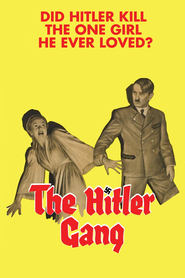
star 4.9Civil War. Southern steppes of Russia. Circumstances bring together various people: the Chekist, professor, actor, nurse and White Guard officer posing as a vet. On two tachanka's they make their way into the city.The Hitler Gang
1944
The Hitler Gang
1944
star 6The Hitler Gang adopts the style of a gangster film as it charts Adolf Hitler’s rise from small-time politico to dictator of Germany.Kingdom of Conquerors
2013
star 6.4In the 1200s, a man arose whose ruthlessness was so feared, he emerged as the greatest empire builder ever known to mankind. Inspired by true historical events.Flowers of Reverie
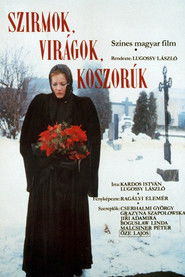
1985
Flowers of Reverie
1985
star 5.4The seeming hopelessness of combatting an all-powerful government that will not tolerate political dissension is the focus of this excellent historical drama set in the mid-19th century in Hungary. In the opening scenes, Hungary has just lost its bid for independence from Austria and a Magyar officer, unable to bear the tragedy of defeat and what it means, says an affectionate good-bye to his beloved horse and then shoots the animal and himself. Two years later, Ferenc (Gyorgy Cserhalmi) is trying to eke out a living for his wife and her family -- and at the same time avoid any hint of sympathy for Hungarian independence because the Secret Police are everywhere. Just as life seems to be going well, Ferenc's former commanding officer (Lajos Oze) arrives and begins discussing revolution again -- a futile pursuit at this point in time. The next day, Ferenc is thrown into an insane asylum and everyone else is arrested as well.Time, Forward!
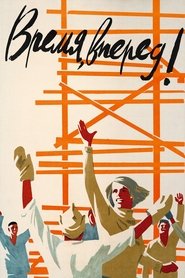
1965
Time, Forward!
1965
star 5.1The film is set in the 1930s in the USSR. The film tells about one day of the construction of the Magnitogorsk Iron and Steel Works. The heroes of the film are simple construction workers who are burning at work. Upon learning that their colleagues in Kharkov have set a record, they mobilize to break it. The entire construction site was engulfed in immense socialist competition. The teams are ready to complete the work on time at any cost. A Moscow journalist who has come to cover the scale of the great construction project is looking for the hero of his report...The Last Night
1937
The Last Night
1937
star 4.5On one of the October nights at the ball, gymnasium pupils and officers scoff at the love of Kuzma Zakharkin, the “cook's son”, to Lena, the daughter of the manufacturer. Cannon volley interrupts the fun. In the city begins the Moscow armed uprising of workers. At the center of the fate of two families is the capitalist Leontyev and the worker Zakharkin, whose sons became the organizers and participants of this uprising.Memories of the Future
1969
star 4.4A story where the Cristero Rebellion creates a story of love, passion, and betrayal. When the Federal Rosas and his lover arrive in a town, a local woman feels strangely attracted to him. The woman will surrender under the pretext that the population is liberated when in reality she wants to consummate the passion that ignites her.The Creep Behind the Camera
2014
star 5An exploration of the making of b-movie sci-fi cult classic "The Creeping Terror" and its con-man director Art "A.J." Nelson/Vic Savage.